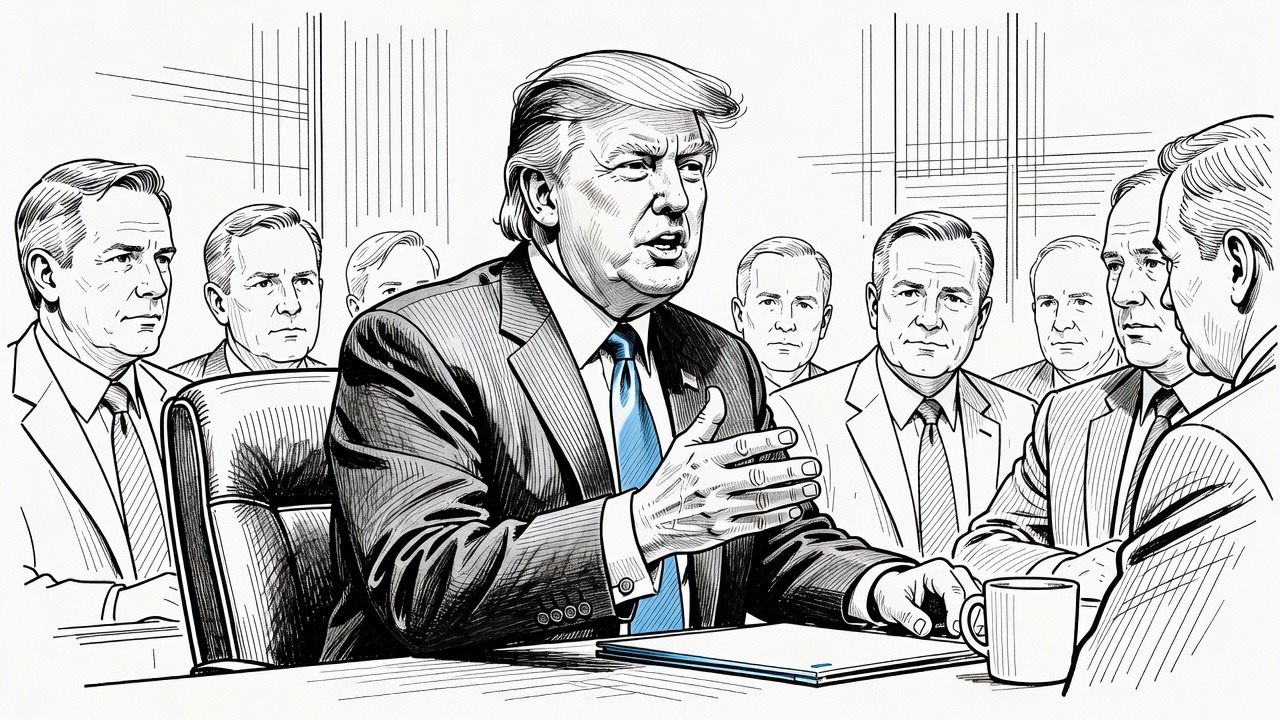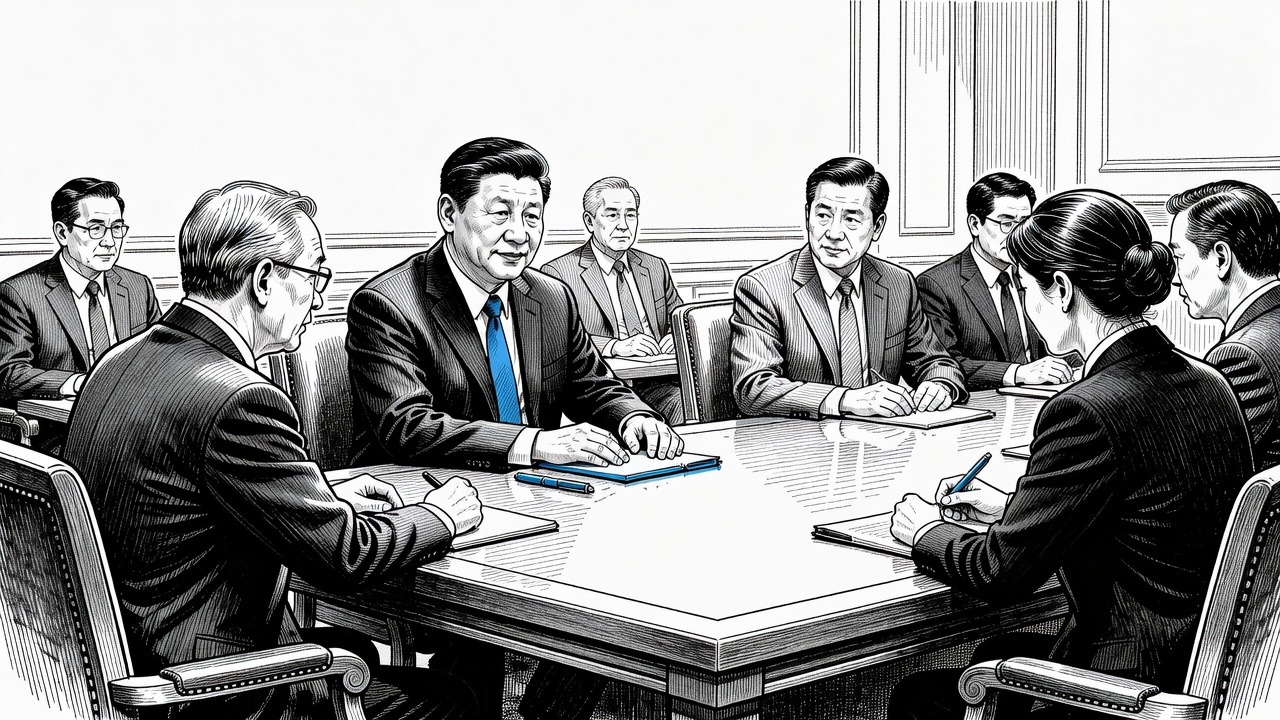
Mark Carney has found a way to look bold while doing something old: trading one region's livelihood for another's. The ledger is easy to read. About C$400 million in Chinese tariff relief goes to pork and seafood exporters. In return, Canada widens its exemptions for Chinese steel and aluminum by 32 tariff categories. Those who sell protein get a reprieve. Those who make metal get a bill.
Start with what the Left should concede, because the concession matters. Diversifying away from Washington is not betrayal. Donald Trump has shown that dependence on an unstable, hostile and increasingly lawless neighbour is a national security problem. Canadian workers did not choose to be hostages to his moods. Fishers in Atlantic Canada and hog producers on the Prairies were hit by Chinese retaliation that was itself a response to Canada's decision to follow Washington on tariffs. They deserve relief, and anyone who sneers at that has never had a processing plant threaten to close.
But diversification is not a virtue in itself. It is a strategy, and strategies have terms. Here the terms are murky, and the burden falls on the people with the least say in them.
The Canadian steel and aluminum tariffs were never a vanity project. They answered a real problem: Chinese overcapacity that floods world markets with metal priced below what any country with labour standards and carbon rules can match. The logic is plain to anyone who has worked a Canadian mill floor. Canadian producers are asked to compete with a state-backed industrial machine, and then they are blamed when they lose. Those same communities are already being squeezed by Trump's tariffs. Opening further to Chinese metal at the moment they face pressure from the south is a gamble made with other people's jobs in places like Hamilton, Sault Ste. Marie and the Saguenay.
The government says these are exemptions for selected products. Fine. Then publish the logic. Which products? Which Canadian producers lack the capacity to supply them? What guarantees keep a narrow carve-out from becoming a wide door? A government that says it is protecting workers should be able to show its work. Instead we have a communiqué, a number for the winners and silence about the losers.
Then there is the grab bag in China's own readout: e-commerce cooperation, Chinese banks opening branches in Canada, a better "business environment." The last phrase deserves suspicion. Whose environment, improved how? If it means fewer questions about labour practices, data security or supply chains tied to forced labour, Canadians should hear that said aloud. The same prime minister who talks about values in speeches should not discover flexibility in a hotel in Shenzhen.
The climate case cuts both ways, and the Left should say so. Cheaper Chinese clean technology is good for decarbonization, and a country serious about emissions cannot pretend otherwise. But Chinese steel is made largely with coal. Importing it while our own producers, who are under pressure to decarbonize, close shifts is not climate policy. It is outsourcing our emissions and calling it trade.
The answer is not to refuse engagement with China. It is to demand that openness come with an industrial strategy: Buy Canadian rules for public infrastructure, transition support and guaranteed retraining for workers in affected sectors, and carbon border adjustments that make dirty steel pay for what it is. A real left-of-centre government would have announced those alongside the exemptions.
Carney sold this as realism. Realism has a price, and the price is always set by somebody who will not pay it. If the farmers get their relief and the steelworkers get a shrug, that is not a new economic order. It is the old one with better branding.
How it may affect me
If you work in pork, seafood or canola, easier access to China could mean steadier orders and prices. If you work in steel, aluminum or fabrication, watch whether cheaper imported metal reaches your employer's market. Manufacturers that buy metal may see lower input costs.