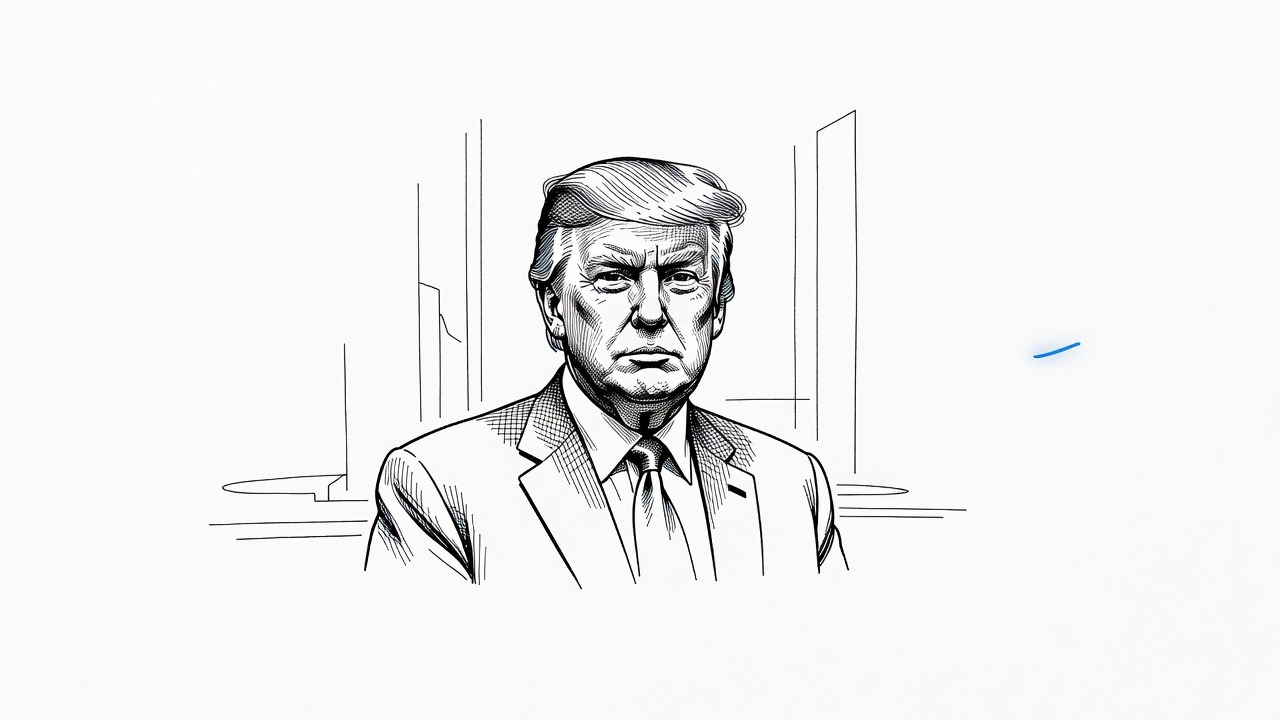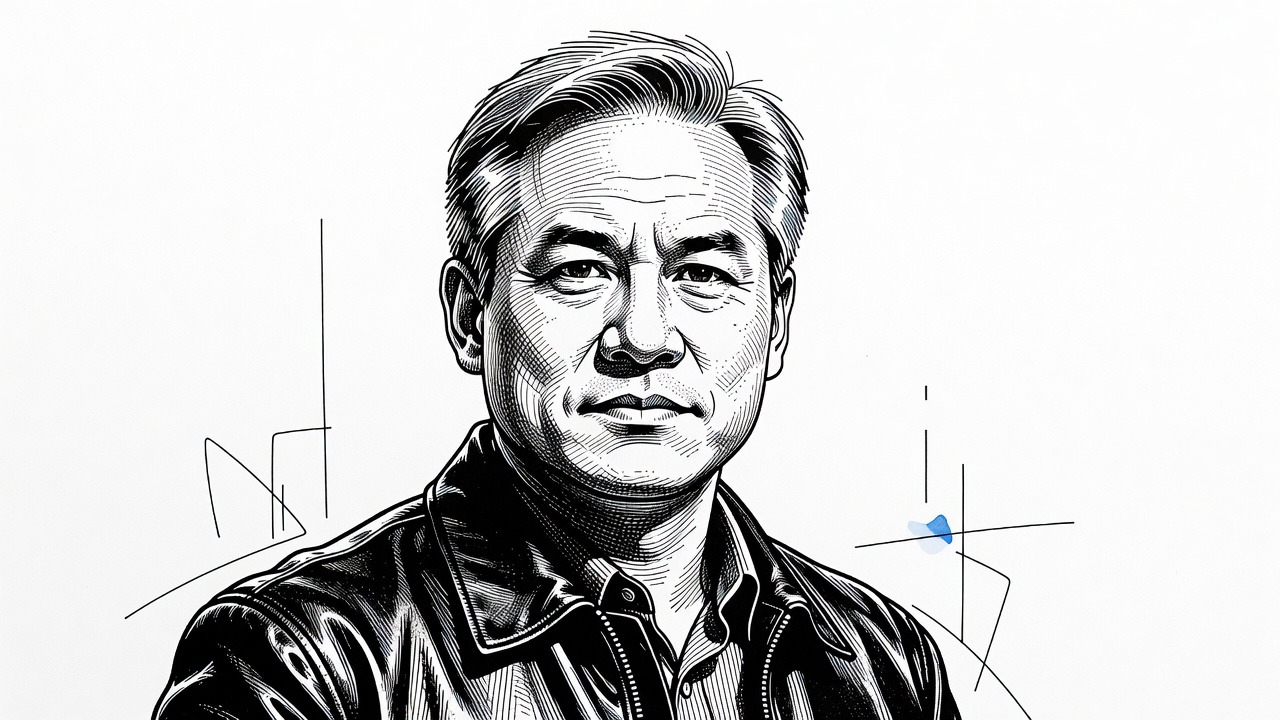
Notice the format first. Jensen Huang is not being hauled before Congress to testify under oath, in public, with the cameras on. He has "agreed" to a transcribed interview, behind closed doors, on a date negotiated with his lawyers. The man whose chips power the AI economy gets the courtesy treatment. Anyone else suspected of helping a foreign power get restricted technology would get a subpoena and a grand jury.
We should be careful about what we know. The chairmen say they are examining whether Huang and Nvidia enabled Chinese actors to obtain restricted chips, and whether a Chinese intelligence asset was involved. Those are questions, not findings. But Huang resigned a week before this announcement, and the timing is hard to ignore. So is the board's sudden creation of a national security and trade compliance committee. Companies do not build the smoke detector until they smell smoke.
The larger scandal is that this question is only being asked now, and only about one company's conduct. For years Nvidia has treated export controls as a design problem: engineer a chip that sits just under the legal line, then lobby to move the line. Huang has argued publicly and privately that restricting sales to China only helps Chinese competitors. He has made that case to a president who proved receptive. In 2025 the Trump administration reversed course and allowed sales of the H20 chip to China in exchange for the government taking 15 percent of the revenue. National security became a licensing fee.
If the Right wants to be serious about China, it has to answer for that. You cannot call China an existential threat on Monday and sell it silicon on Tuesday for a cut. The Republican chairmen conducting this inquiry work in a party whose president has treated export controls as a bargaining chip and whose donors and advisers have courted Huang. Will they ask whether the policy itself invited the evasion? Will they ask who at the White House and Commerce Department took Nvidia's meetings? I doubt it. Congressional China hawks like targeting a CEO. They like it less when the trail leads to their own administration.
The Left has its own work to do. Democrats should not just cheer along with a bipartisan China panic. The strongest case against Nvidia has little to do with anti-China theater. Democratic government is supposed to set rules for powerful private actors, and those actors are not supposed to write the rules for themselves. A company worth trillions, with more lobbying reach than most governments, sat at the center of a decision about who gets the most strategic technology of the century. Its leader courted both parties and treated each constraint as an opening bid. That is a story about concentrated corporate power and a political class too dazzled by market caps to govern it.
The public should demand three things. First, a public hearing, with sworn testimony and the same seriousness we apply to a bank accused of laundering money. Lying to Congress is a federal crime, but a closed-door interview lets the fog settle before anyone sees the record. Second, full disclosure of Nvidia's lobbying and meetings with administration officials over export policy, along with the legal basis for the revenue-share arrangement. Third, enforceable chip-tracking and compliance rules that do not depend on a company's goodwill or a board committee's press release.
Harvey Jones says Nvidia wants "frameworks that protect national security while allowing technological innovation." That sentence is what a company says when it wants to keep writing its own rulebook. Frameworks are fine. What the public needs is law, penalties for breaking it, and investigators willing to follow the evidence wherever it goes, including up Pennsylvania Avenue.