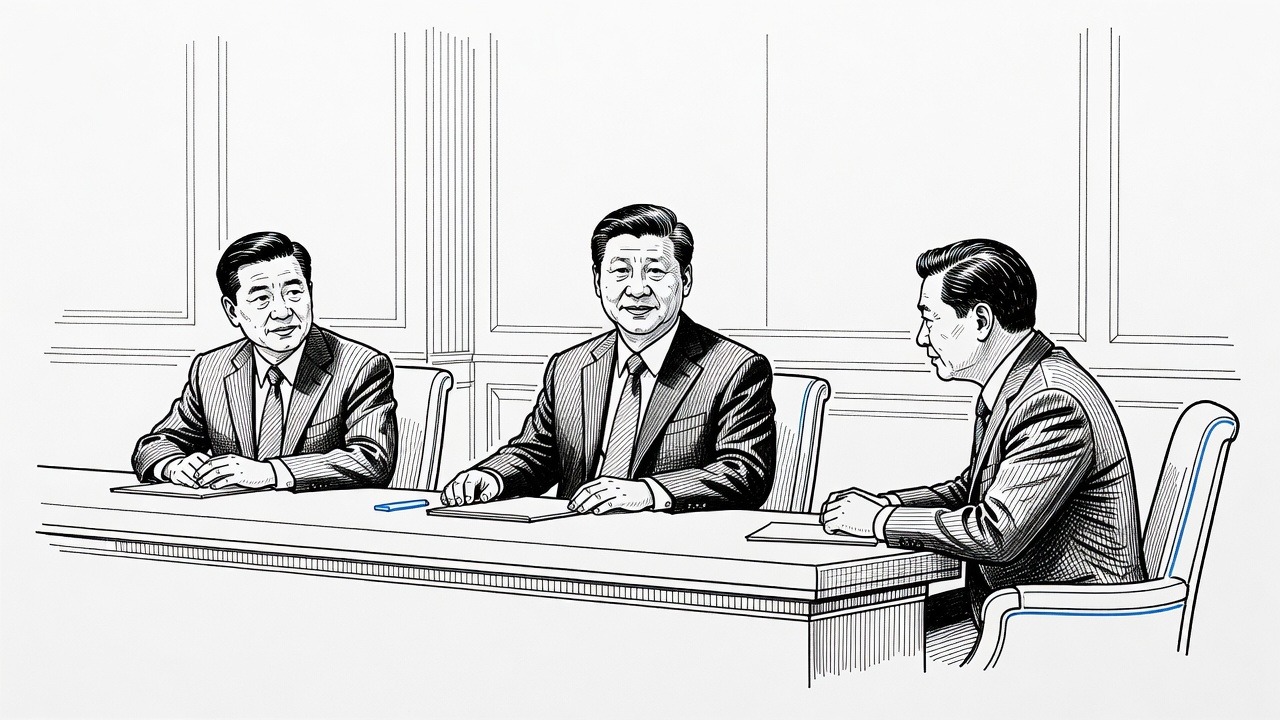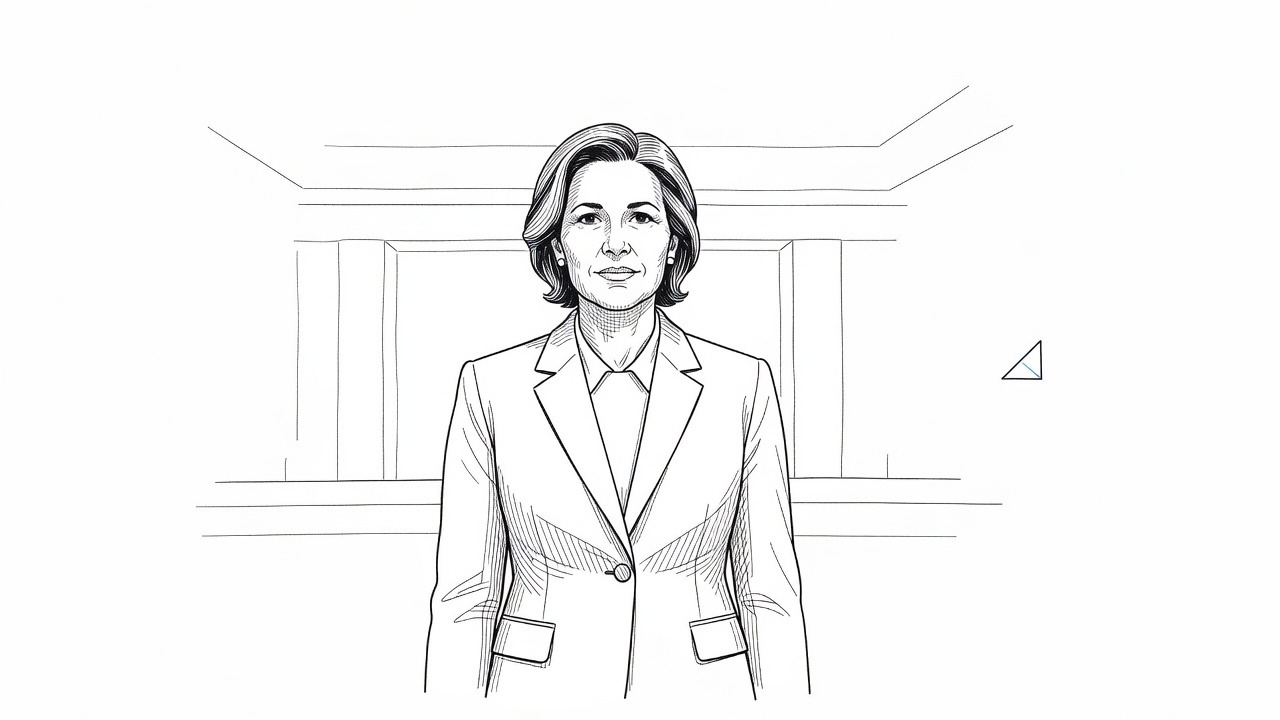
Lisa Cook was invited to a hearing before the people who want her gone, on a timeline they set, under rules they haven't disclosed, to answer charges the president announced as true before anyone had examined them. She said no. Her critics will call that evasion. It's the only sane response to a proceeding built to produce one result.
Start with what the Supreme Court actually said. It halted the dismissal and left the administration a path: try again, but give Cook sufficient notice and a real opportunity to respond. That is the language of due process. The White House's answer was a committee hearing in which the accuser, the prosecutor and the jury are all the same employer, who has made no secret of wanting a Fed that cuts rates on command. Abbe Lowell's letter says Cook will attend if fair procedures are established. That is not stonewalling. It is a request for the thing the Court said she is owed.
The obvious rejoinder is that an innocent person has nothing to fear from explaining herself. But that confuses answering with submitting. Cook denies the allegations and is contesting them in court, where evidence rules exist and a judge isn't on the president's payroll. Appearing at a stage-managed hearing would hand the administration a transcript to mine, a venue to claim legitimacy, and a pretext to say she was heard and fired anyway. Anyone who has watched this administration's referral pipeline operate should understand the instinct. The same housing-agency official who sent up the Cook allegations has sent up others against prominent Trump adversaries. When the accusations arrive in a pattern and the targets share an enemy, "just trust the process" is not serious advice.
And remember what an accusation is. It is a criminal referral, not a conviction, and as far as the Bare Story reports, not a charge. The statute lets a president remove a Fed governor "for cause." It does not say "for allegations" or "for disagreeing with me about interest rates." Congress wrote that protection deliberately, because it knew a central bank answerable to the next election would be a central bank that inflates before every one.
Here the Left should be honest about its own history. The Federal Reserve is not a sacred institution. It has presided over recoveries that left workers behind, and it is hardly democratic. Plenty of us have spent years arguing it should care more about employment than about the comfort of bond markets. But the cure for an unaccountable Fed is not a president who can purge governors whenever a friendly agency head finds a paperwork theory. That does not democratize monetary policy. It privatizes it to one man's preferences. If Democrats want a fight over who the Fed serves, they can win it with legislation and appointments, not by shrugging while the removal power is turned into a loyalty test.
The irony is almost too neat. The pretext is a mortgage. The likely consequence of a Fed seen as a presidential instrument is higher long-term borrowing costs, which means higher mortgages for the families who aren't buying vacation property and were never going to appear on a Pulte referral. Investors demand a premium when they doubt the central bank can say no to the White House. Ordinary borrowers pay it.
If the administration has a case, it can present it in a forum that meets the standard its own Supreme Court set. Until then, Cook's refusal to dignify a rigged hearing is not an admission. It is the first reasonable act in a process that has had very few.
How it may affect me
If markets begin to doubt the Fed can resist White House pressure, investors may demand higher yields on long-term debt. That can push up mortgage rates, auto loans and other borrowing costs, though the effect is uncertain and depends on how the legal fight resolves.