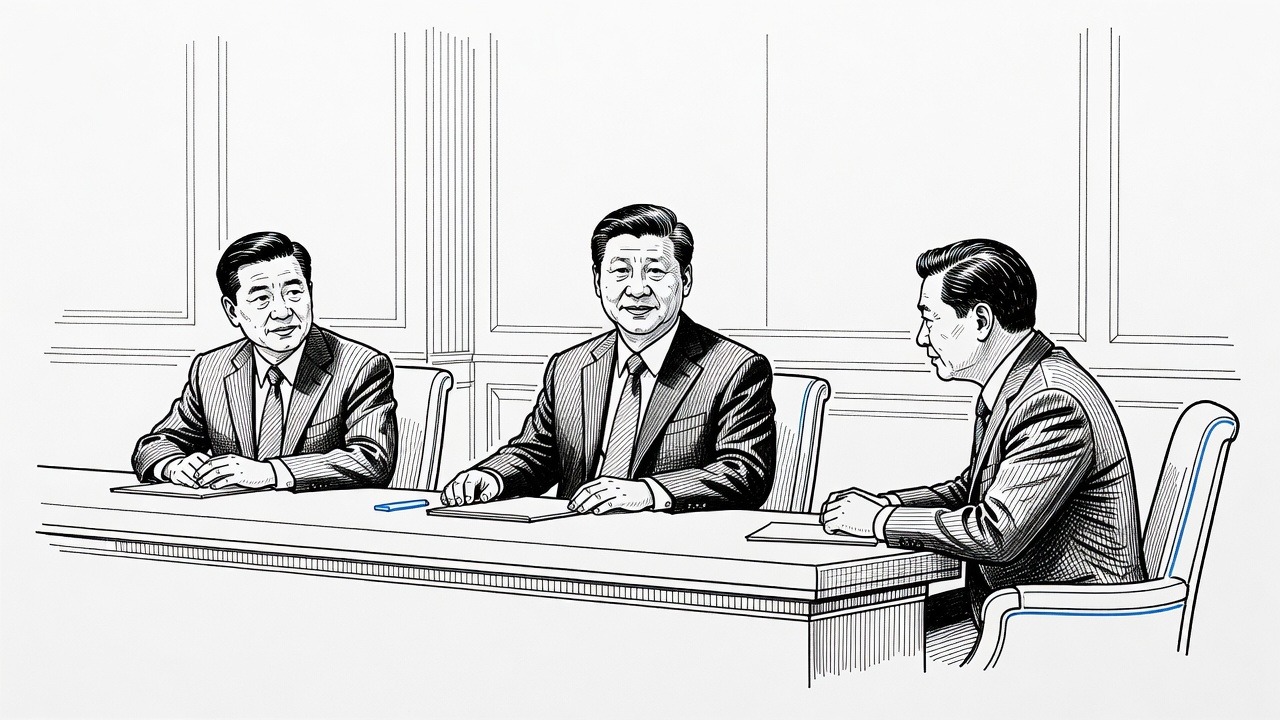
There is a bitter irony at the center of this summit. The most sensible sentence to come out of the run-up was reportedly spoken by Xi Jinping. According to German President Frank-Walter Steinmeier, Xi was irritated that Ukraine would be on the agenda without Europeans in the room, and he called for European participation. When the Chinese Communist Party's leader sounds like the defender of process, the American president has a problem.
The Left should say plainly what it wants from a Trump-Xi-Putin meeting. Nuclear arms control is not a favor to Washington's rivals. It is one of the few genuine public goods in world politics, and anyone who has spent a life near the arms-control movement knows how badly the architecture has decayed. If three men with their fingers on the largest arsenals on earth want to talk about denuclearization, the answer is not a reflexive sneer. Talk. Please.
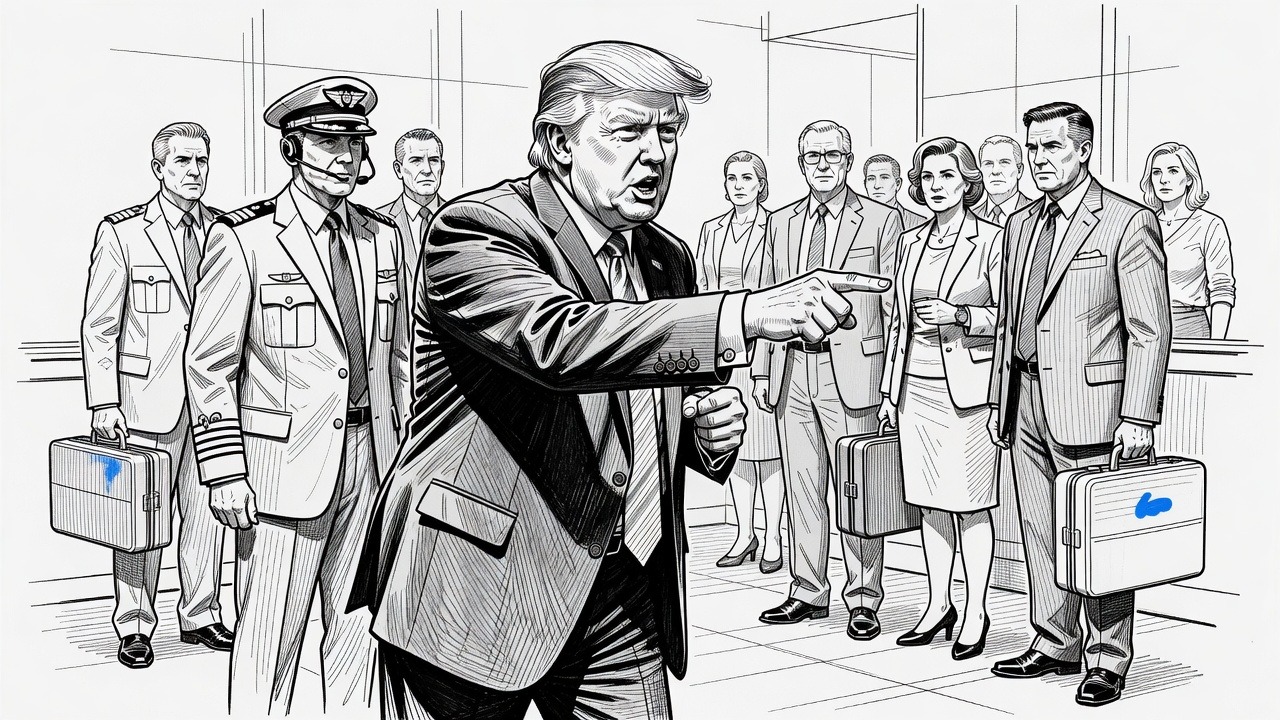
But look at what is actually being assembled. Trump says the agenda is denuclearization, Iran and Ukraine. That is three of the most dangerous questions in the world, to be settled by three leaders, two of whom run states where no one can vote them out. The third has made a political brand of treating allies as customers and law as an inconvenience. Nobody from Kyiv has a seat. Nobody from Tehran does either, though Iran is on the menu. Seoul has had to remind the summiteers, politely, that its national interests are its own. That is the language of a country that has watched great powers carve up other people's futures and does not enjoy being on the wrong side of the table.
Zelensky invoked the old shadow of spheres of influence. Critics will say he is lobbying. He is also remembering. Yalta was not only a conference. It was a lesson in how quickly the word 'stability' comes to mean that small nations stay quiet while large ones divide the map. Putin wants a world where Ukraine is a territorial question rather than a country. Xi wants a world where the U.S. stops organizing the coalition that constrains him. Trump wants a deal he can announce. Those three motives fit together more easily than the rest of us should be comfortable with.
The Left has its own argument to settle here. One wing, rightly tired of endless war and of the foreign-policy establishment that sold the last several, hears 'negotiation' and says: finally. Another, rightly allergic to appeasing aggression, hears 'summit' and sees a sellout. Both are right about something. A negotiated end to the war in Ukraine is desirable, and an imposed one is not. A settlement worked out by the invader and its patrons, then presented to the invaded, is not peace. It is a receipt.
There is also the matter of who in America gets a say. A president who announces a grand bargain on nuclear weapons from a stage in Shenzhen has not made policy. He has made a spectacle. Treaties require the Senate. Military commitments require Congress. A deal that trades Ukraine's security or Europe's for something else on the ledger would be an extraordinary act of executive improvisation, and Democrats should say now, loudly, that they will not rubber-stamp it. Silence until the photo op is over is how the damage gets done.
The test is simple. If this summit produces verifiable limits on nuclear weapons, with Europe, Ukraine and the affected states at the table for decisions that concern them, it is a rare good thing and deserves credit. If it produces a handshake, a vague communiqué about 'strategic stability among major powers,' and a quiet understanding that the weak will adapt, then it is Yalta without the excuse of 1945.
Peace made over the heads of the people who will live in it is not peace. It is a postponement, and the bill always goes to someone who was not invited.