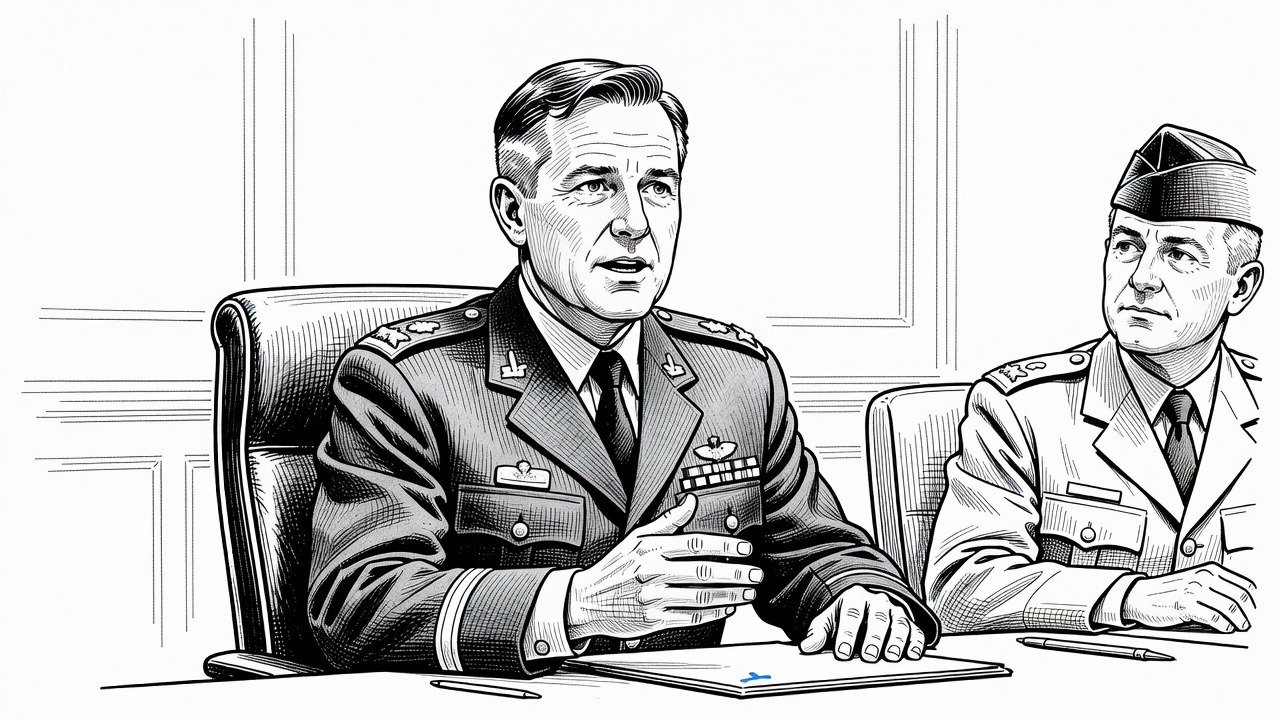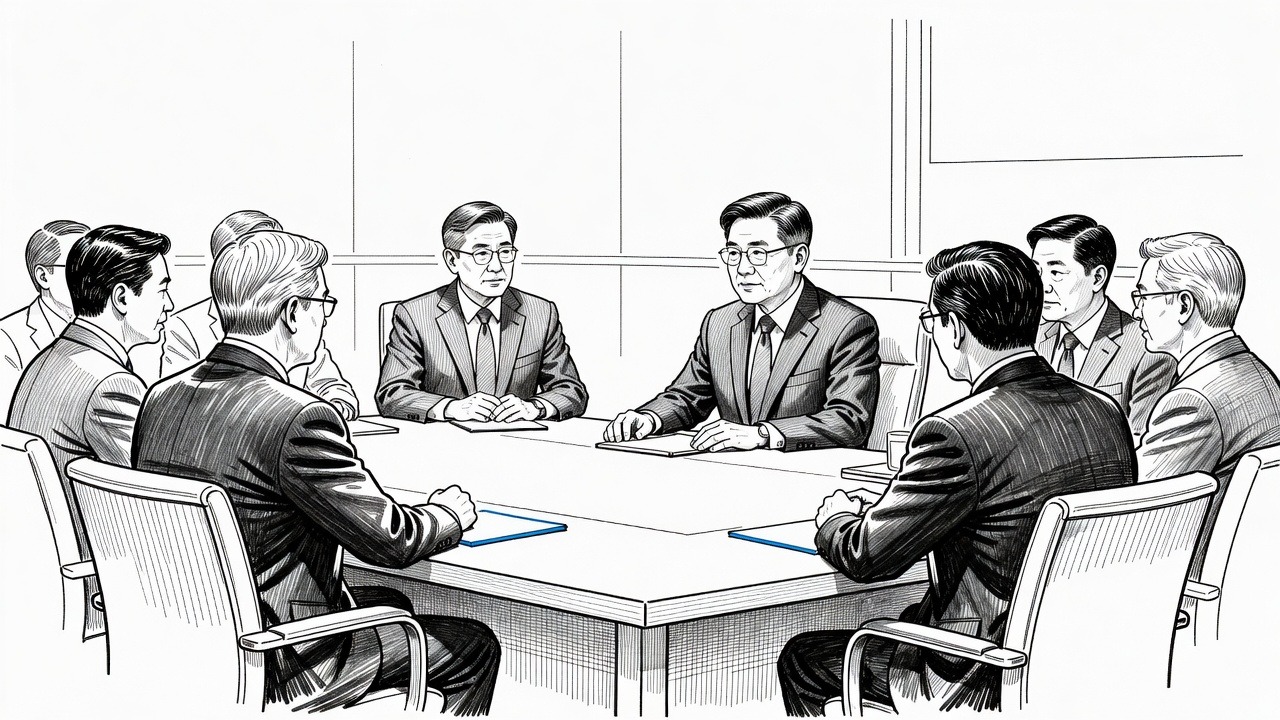
South Korea did not merely promulgate a special counsel law. It promulgated a theory of power: win the election, and you may investigate the people who investigated you.
On November 17 the Cabinet approved a motion to put into force a statute creating a special counsel into alleged fabricated indictments involving President Lee Jae-myung and others. Prime Minister Han Seong-sook chaired. The president was abroad at regional summits. His Democratic Party had already driven the bill through the National Assembly. The People Power Party urged a veto, arguing the law was built to help him slip his ongoing trials. The presidential office dismissed that as caricature. The inquiry, it said, will examine abuses by prosecutors under the previous administration.
That is the whole defense. It does not survive the structure of the law.
A special counsel exists for the moment when ordinary institutions cannot be trusted to investigate the powerful. Here the powerful wrote the mandate. The president’s party passed it over opposition objection. The president’s Cabinet sent it forward. The president’s office has already named the target — not a hypothesis to be tested, but the prosecutors of the last administration. “Fabricated indictments” is not a topic. It is a finding, written into the assignment before a single witness is called.
There is a serious reply, and it should be met rather than sneered at. Korean prosecutors are not a priesthood. The service has held a concentration of investigative power that any democracy ought to find uncomfortable, and the conflict between Lee and the prosecutors who pursued him did not begin on inauguration day. Yoon Suk-yeol came out of that same institution. Conservatives who spent years treating an indictment of a progressive as proof of courage, and an indictment of a conservative as proof of a plot, do not get amnesia now. Yoon’s demolition of constitutional restraint in December 2024 remains a standing rebuke to anyone on the Right who thinks limits are a rule for the other camp. That concession is necessary. It does not salvage this statute.
The question is not whether a prosecutor has ever overreached. It is whether a sitting president may use a legislative majority to open an official inquiry into the criminal cases that concern him, fix the story in advance, and call the product accountability. He may not — not if law is a constraint rather than a trophy that changes hands with the presidency. The Constitution already gives a sitting president broad shelter from criminal charge during his tenure, insurrection and treason aside. That shelter is a choice the country made, defensible as protection against paralysis and indefensible as a launchpad. Shelter plus a tailor-made special counsel is not balance. It is enclosure.
The foreign trip is a detail, and still a revealing one. Summit diplomacy is real. So is the convenience of not being in the chair when your government locks in a law about your own legal exposure. Han chaired a meeting. She did not create the political fact. Absence is not innocence.
A credible inquiry was available to anyone who actually wanted one. Its premise would have been prosecutorial abuse, not the pre-baked claim that the indictments were fabricated. It would have been walled off from whatever proceedings are still live, so that “investigation” could not become a running commentary on the president’s own cases. It would have been built so the opposition could not honestly call it a bulletproof vest — 방탄, the Seoul word for a statute whose real client is the man it pretends to examine. The Assembly has spent years turning the special counsel into a season of the calendar. This one is worse than routine, because the beneficiary is not a faction. It is the head of state.
The People Power Party is right about the design and will waste the point if it only shouts. Conservatives burned public trust on process when they tolerated emergency power as a mood. They will not recover it by matching grudge with grudge. They recover it by holding a proposition neither camp currently enjoys: an election does not dissolve the cases that preceded it, and investigative power is not a household privilege of whoever holds the chamber.
Lee’s office wants this filed under housecleaning of the old regime. File it somewhere else. A president whose party writes the inquiry into the prosecutors who charged him is not cleaning the house. He is moving the furniture so the cases cannot find him.