Democrats have spent a decade learning how to win elections. The harder question is whether they have learned what winning is for. A Senate majority of at least 55 and a House majority will soon test that, and the early signs are mixed.
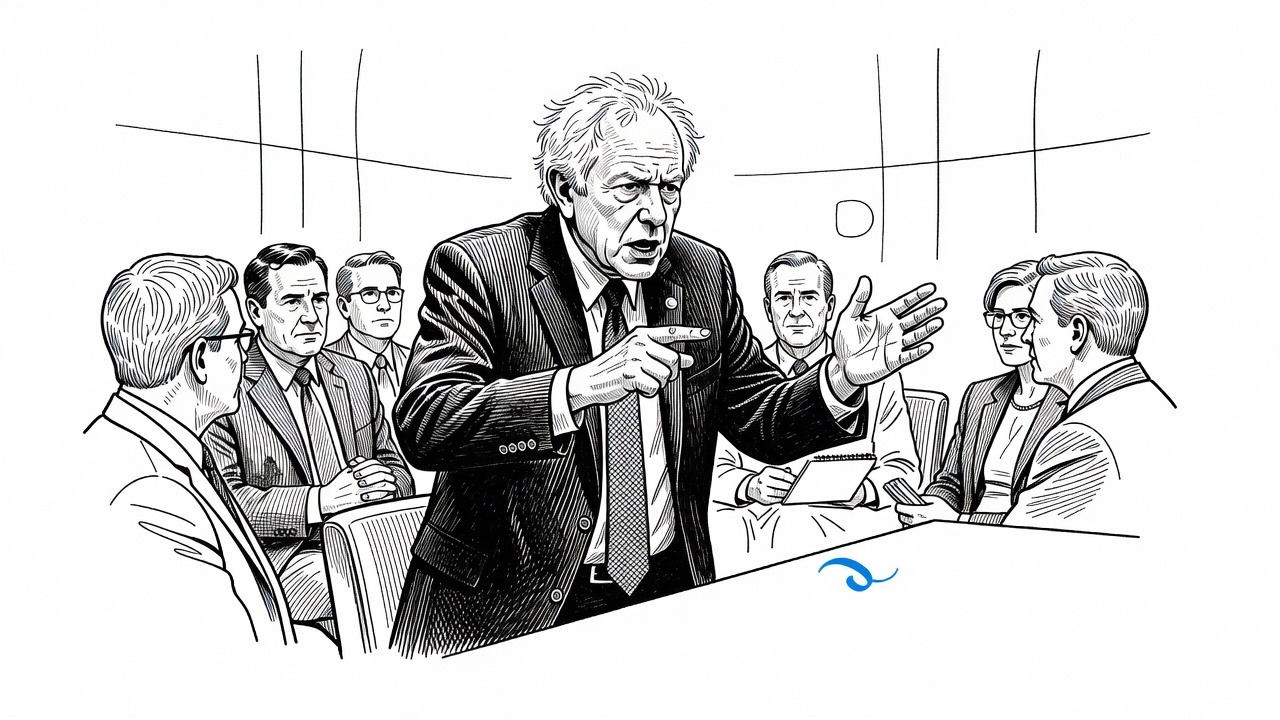
Bernie Sanders is right on the main point, and it isn't close. Oversight of the Trump administration is a duty, not a strategy. Subpoenas, hearings and document demands matter, because an administration that treats the law as a suggestion needs to be dragged into daylight. But voters did not hand Democrats power so the party could star in a long-running legal drama. They are paying more for groceries, rent, insurance and child care. A majority that answers that with a hearing schedule will have earned its next defeat.
The party's leaders are already splitting over Medicare for All, with Hakeem Jeffries against and Ro Khanna calling it the top priority. I don't think that is the fight that matters most, and I say that as someone who wants single-payer. Nobody is passing it past a Trump veto, and everyone in the room knows it. The useful question is narrower: what will Democrats force onto the floor, and will they make Republicans vote against it on the record? Lower prescription drug prices. A lower Medicare eligibility age. Permanent premium relief for people buying insurance on the exchanges. A housing bill that builds, not one that studies building. A higher minimum wage. Labor law reform with penalties that scare employers. None of these requires pretending Trump will sign them. Sanders was candid that nobody knows what Trump will do. A veto is not a defeat if it costs the other side something. A popular bill that dies by veto is a campaign ad that writes itself.
The party has a history here that it should be embarrassed by. In 2009, Democrats held 60 Senate votes for a brief window, and what came out was a health law shaped as much by insurer comfort as by public need. In 2021, they passed a child tax credit expansion that cut child poverty to record lows, then let it lapse, and child poverty roughly doubled the next year. They managed to build something that worked and then explained why it couldn't last. Voters notice that. They do not conclude that Democrats are cautious. They conclude that Democrats are unreliable.
That is why Kirsten Gillibrand's 60-seat goal for 2028 deserves some suspicion. Sixty is a number that makes sense in a world where the filibuster remains sacred. If Democrats spend two years telling voters they need three more seats before they can act, they will have built a campaign around an excuse. Recruiting early and talking about costs is fine. It is also what every consultant says before every cycle. Costs are not a message. They are a grievance, and Democrats have to show whose side they are on when they fix them: the drug companies, the landlords and the private equity firms buying up hospitals, or the people paying the bills.
Republicans are already hoping Democrats overreach or tear each other apart. They are partly right about the second. A party that fights bitterly over Medicare for All while delivering nothing is practicing the politics of its own decline. The answer is not to bury the left or muzzle the moderates. It is to agree on a floor, demand votes, and be willing to lose some of them loudly.
Power is not a reward for good behavior. It is a short lease. Democrats can use this one to build a record that survives a veto pen, or spend it litigating the past and arguing about a bill nobody will sign. Working people have heard enough promises.