Let's dispose of the lazy objection first. Talking to adversaries is not appeasement. Kennedy talked to Khrushchev, Reagan talked to Gorbachev, and the Left has long argued that the time to negotiate on nuclear weapons is when the other side is dangerous. If Donald Trump were walking into Shenzhen with a serious arms-control framework, allied buy-in and a clear plan, I would applaud.
That is not what the officials are describing. They call it an "initial dialogue" in which "no concrete agreements" are expected. Denuclearization and Iran are on the menu, but nothing is expected to come of it. That is a photo op with a nuclear-weapons theme.
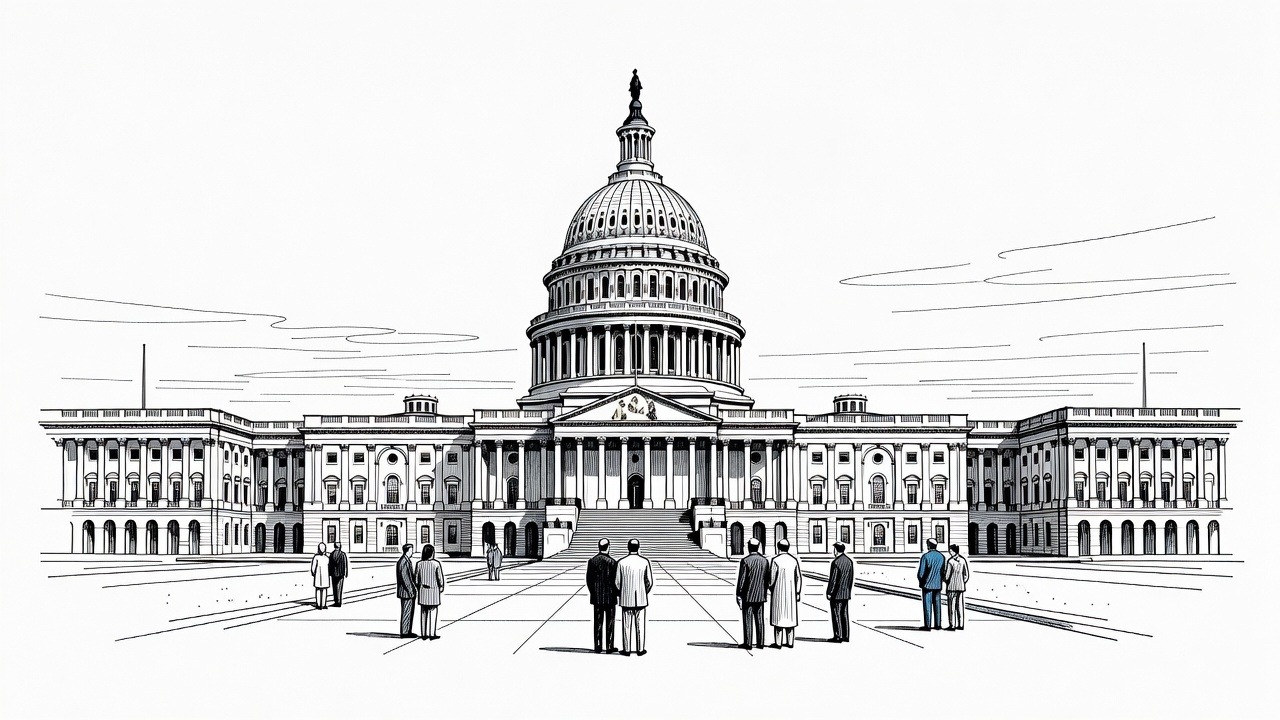
Look at the staging. The meeting is on Xi Jinping's soil, at a summit China is hosting, with Vladimir Putin, a man wanted by the International Criminal Court, seated beside him. Xi gets to present himself as the broker of a new order, with the American president arriving as one of two guests. For a movement that spent a decade claiming to defend American strength, the Right has become oddly comfortable with this picture. Peace through strength apparently now means flying to Beijing to be seated at someone else's table.
Who is missing? Ukraine, whose territory and survival are the obvious unspoken subject whenever Putin sits down with an American president. Europe, which has carried much of the burden of that war. Japan, South Korea and Taiwan, who live in the shadow of Chinese power. Congress, which is supposed to have a say in treaties and has been treated as an audience. A three-way nuclear conversation that excludes the people most exposed to the consequences is not diplomacy. It is great-power carving-up, the kind of arrangement small countries have learned to dread.
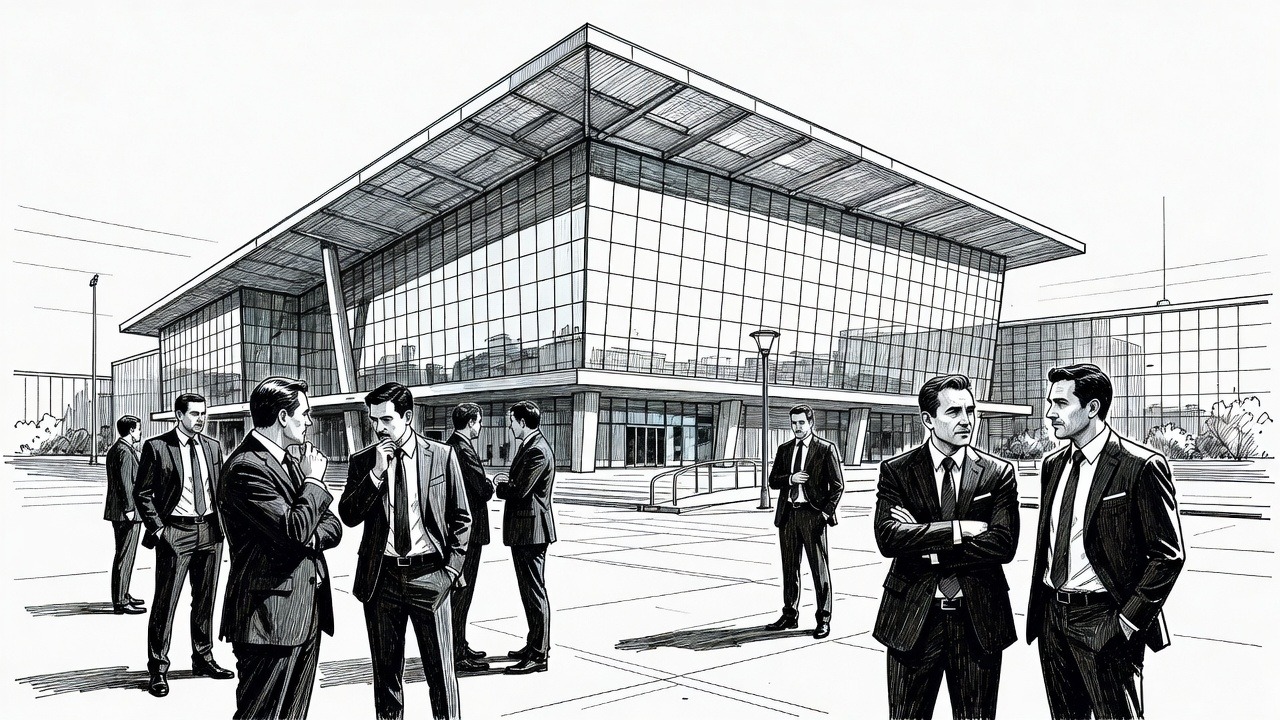
Then there is the traveling party. Elon Musk is reportedly joining Trump for part of the China visit. Musk is not a diplomat, a cabinet officer or an elected official. He is a businessman whose electric-car company depends heavily on Chinese manufacturing and Chinese customers, and whose satellite and AI ventures live or die by government decisions. Putting him near the table when trade terms are being implemented is not a quirk. It is an invitation to ask whose interests are being served. If a Democratic president brought a billionaire with a large stake in Beijing's goodwill to a summit with Xi, Republicans would call it a scandal before the plane landed. They'd be right, and the standard should not change because the billionaire is currently in favor.
The trade piece deserves the same scrutiny. "Implementing aspects of a bilateral trade agreement" sounds technical. In practice it means tariffs, who pays them and who gets exemptions. Farmers, small manufacturers and ordinary shoppers have absorbed the costs of this trade war, while companies with direct access to the president have had better odds of relief. Deals made by personal relationship reward the connected and punish everyone else.
Democrats should not respond by retreating into reflexive hawkishness. The better answer is a demand for real diplomacy: arms control with verification, allies at the table, Congress informed, and no private business interests wandering through the room. The nuclear order that kept the world alive for decades is fraying, and it will not be repaired by a handshake and a vague statement about "dialogue."
The test of this trip is simple. When it ends, are there commitments that bind anyone, that can be checked, and that make Americans and our allies safer? Or did the president mainly give Xi and Putin the image they wanted, with a billionaire at his side? Officials already tell us not to expect agreements. We should take them at their word and judge the spectacle accordingly.
How it may affect me
The trade-agreement talks could affect tariff levels and exemptions on Chinese goods, which feed through to prices for electronics, appliances and other consumer products, and to export markets for U.S. farmers. Officials expect no breakthroughs on arms control, so any practical effects are likely to come from trade announcements, not from the nuclear talks.