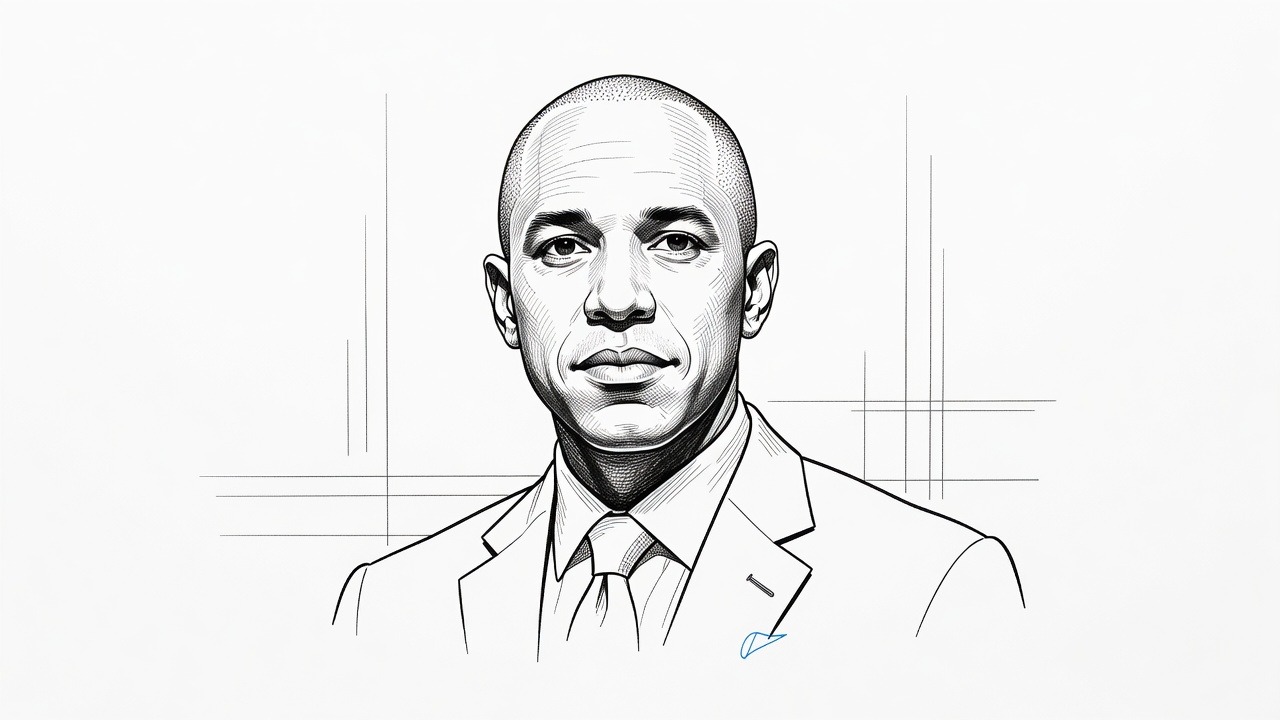
When the New Democrat Coalition announces it will vote as a bloc for Hakeem Jeffries, Washington calls it unity. When three incoming progressives say they want commitments before they vote, it calls them a problem. That is the same act, collective leverage, described in two different vocabularies depending on who is doing it.
The New Dems are not naive about this. A caucus that binds itself to a candidate in advance, and announces it publicly, is staking a claim on the speaker's attention. It says that its priorities are the governing priorities, and that the speaker should remember who showed up early. Nothing is wrong with that. It is politics. But it cannot be the only kind permitted.
Representatives-elect Adam Hamawy, Melat Kiros and Claire Valdez are asking for three things: commitments on floor votes, working-class priorities and union support. Those are not exotic demands. They are the minimum a new member can ask of a leader whose job depends on 218 people agreeing to hand him the gavel. Fighting over what the majority will actually do with it is the point of having a vote.
Here is what makes the progressives' position stronger than the usual "purity test" caricature: the agenda is not in dispute. The coalition's own leaders say their priorities align with Jeffries' agenda: restoring the expired Affordable Care Act tax credits, repealing Trump's tariffs and reversing the Republican Medicaid cuts. That is a cost-of-living, health-care-first program that cuts across the party's factions. If everyone agrees on the destination, a request for a concrete route is not sabotage. It is quality control.
The real question is how serious a promise is when it is only a promise. Democratic voters have heard "we'll fight for you" from leadership for a decade. They have watched agendas announced with great ceremony and then traded away in committee, in a continuing-resolution deadline or in a Senate compromise. They know the difference between a press-conference priority and a scheduled floor vote. A new member who asks which bills will get votes, and when, is asking the question the party's own base asks every time it opens a premium notice.
Union support is the sharper test. Democrats talk constantly about the working class, but the party's relationship to organized labor is where rhetoric meets cost. Are leaders willing to put labor's priorities on the floor, and spend political capital moving them, when donors and swing-district members would prefer to avoid the fight? If the answer is yes, the commitment costs Jeffries nothing. If he hesitates, we have learned something worth knowing before the vote rather than after.
The progressives deserve a warning too. Leverage that is spent on theatrics is wasted. Three freshmen holding out in public while the Republican agenda still threatens health coverage would be a self-indulgent mistake, and voters would be right to say so. The strongest use of their position is to extract specific, checkable commitments, then vote yes and hold leadership to them. Demanding a victory lap is a trap. Demanding a schedule is not.
Jeffries seems to understand this. He says he will speak with every member individually before the leadership elections. Good. That is the right instinct, and it is the opposite of the lecture some in his own party want to deliver. The caucus nomination needs 131; the floor needs 218. Neither number is reached by shaming people who ask what they are voting for.
A party that wants its voters to believe it will fight cannot treat the first act of accountability as an act of disloyalty. Let the centrists bloc-vote. Let the progressives bargain. The only unforgivable outcome is a majority that wins its votes and forgets what it promised to do with them.