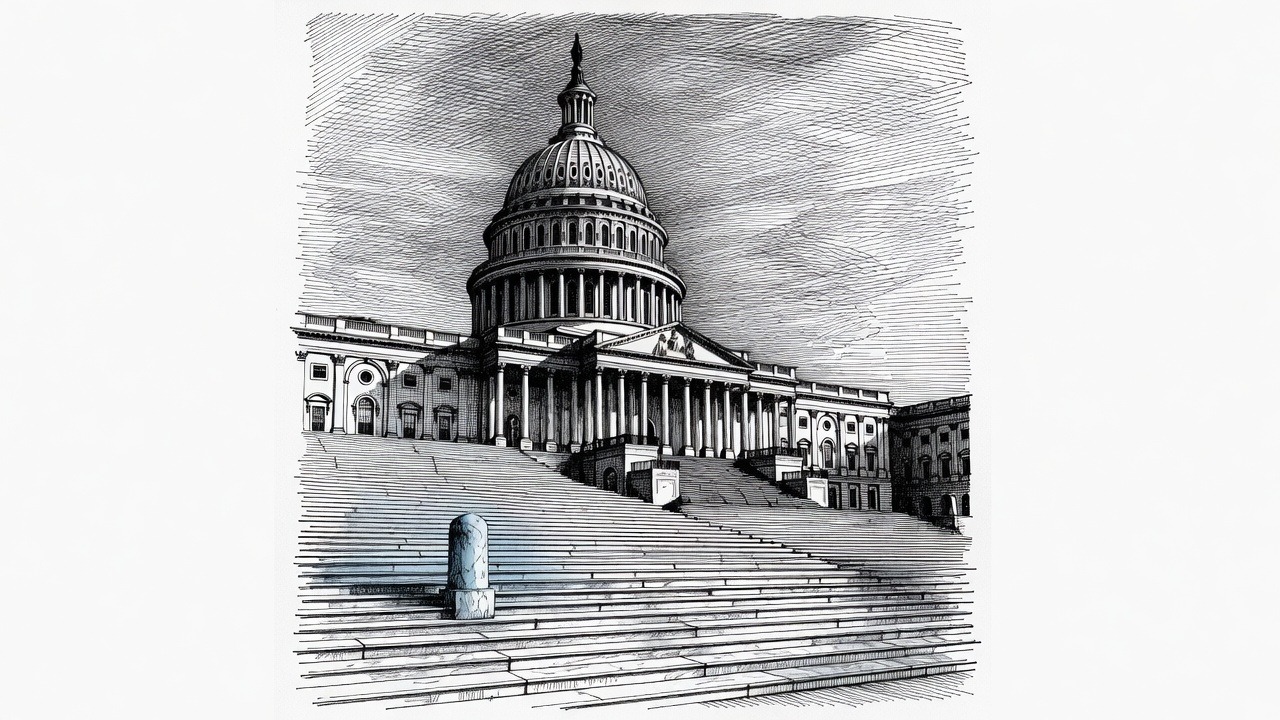
The Supreme Court did not say a border barrier in Big Bend is a good idea. It said something more corrosive: that a single cabinet secretary can, with a signature, make the laws protecting one of America's wildest landscapes disappear.
That is the real story of Monday's unsigned order. The majority found that the lower court likely lacked jurisdiction and that immigration law lets the Homeland Security secretary waive environmental and conservation requirements for border projects. Read that again. Not bend them or balance them. Waive them. The Endangered Species Act, clean water protections, the process that makes an agency look before it bulldozes: all of it can be set aside by the official who wants the bulldozer.
And for what? The administration says it needs to stop illegal crossings, drug smuggling and cartel activity. Fine, those are real concerns. But Big Bend is a small share of encounters along the border. The terrain is already the barrier: canyon walls, a desert that kills the unprepared, and a river that serves as the boundary. When the rationale is border security but the sector in question accounts for a sliver of the problem, it is fair to ask whether this is policy or performance. A wall is a photograph, and this administration knows how to stage one.
The cost is real. Roads, barriers and surveillance infrastructure in and near a national park do not vanish when the next administration changes its mind. Desert recovers on a geologic clock. Local residents and landowners now face restricted access to their own property. Gateway towns that live off people who come to see the dark skies and the Rio Grande are being told to trust that it will all work out. They were not asked.
Here my own side deserves some scorn. The waiver power did not fall from the sky. Congress created it in 1996 and supercharged it in 2005, in a law that also strips most judicial review. Democrats have spent two decades treating it as a regrettable background fact. President Biden used it in Texas in 2023, saying the law left him no choice. That is the problem with emergency powers drafted for the officials you like: they are still there when the officials you fear arrive. Liberals cannot denounce a blank check after helping keep it in the drawer.
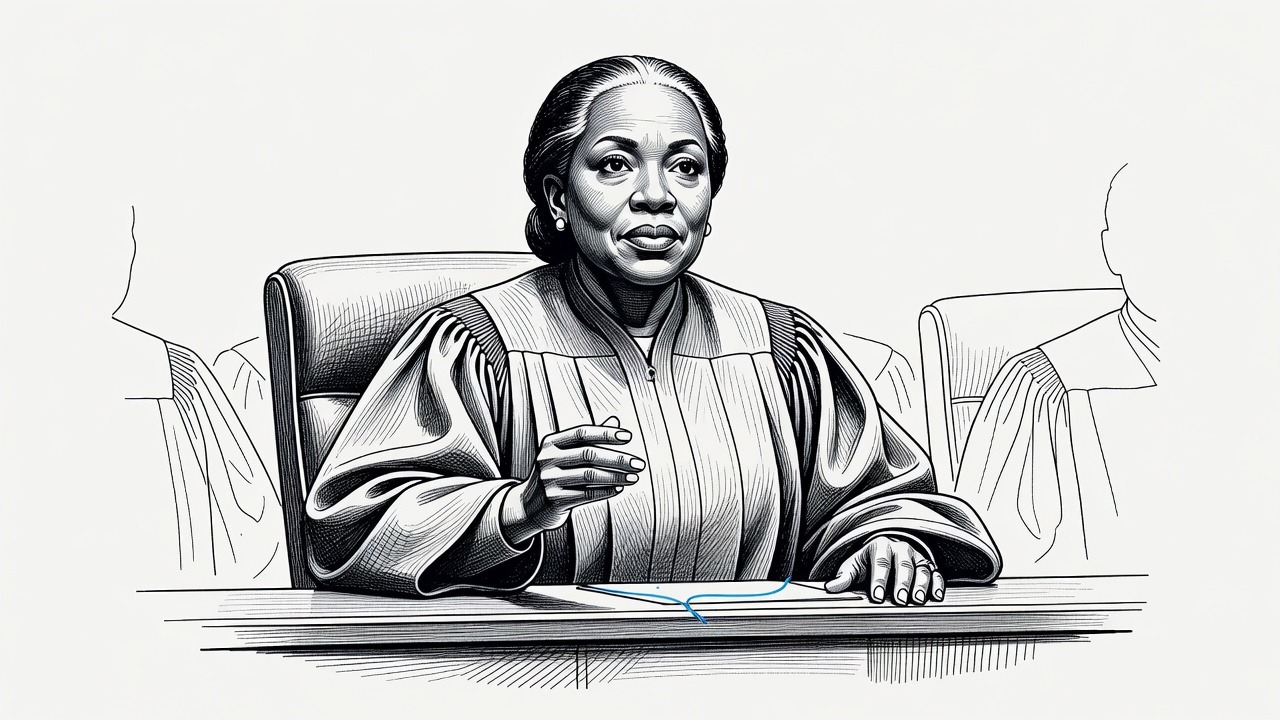
Justice Jackson was right to say she would have denied the request. The case for caution was simple. The construction can't be undone, while the litigation could at least have finished first. Giving the government a quick win on an irreversible project makes the final merits ruling nearly beside the point. Bulldoze first, adjudicate later.
The Left's task now is to stop treating this as a one-off outrage and go after the statute itself. Congress should repeal the blanket waiver, or at minimum require real findings, a time limit and meaningful judicial review. Border security and public lands are not enemies, and no serious security plan requires lawlessness toward the land itself. If an administration wants to build in a national park, it should have to make its case in public, to Congress, to the people who live there, and to a court that can actually say no.
A power that cannot be reviewed will be abused by whoever holds it. This week it is Trump's. Remember that the next time someone calls such a power "necessary."
How it may affect me
If you plan to visit Big Bend or own land nearby, expect possible construction activity and access changes as work resumes. Exact locations and timelines have not been detailed in the ruling, so check National Park Service notices and local updates before traveling.