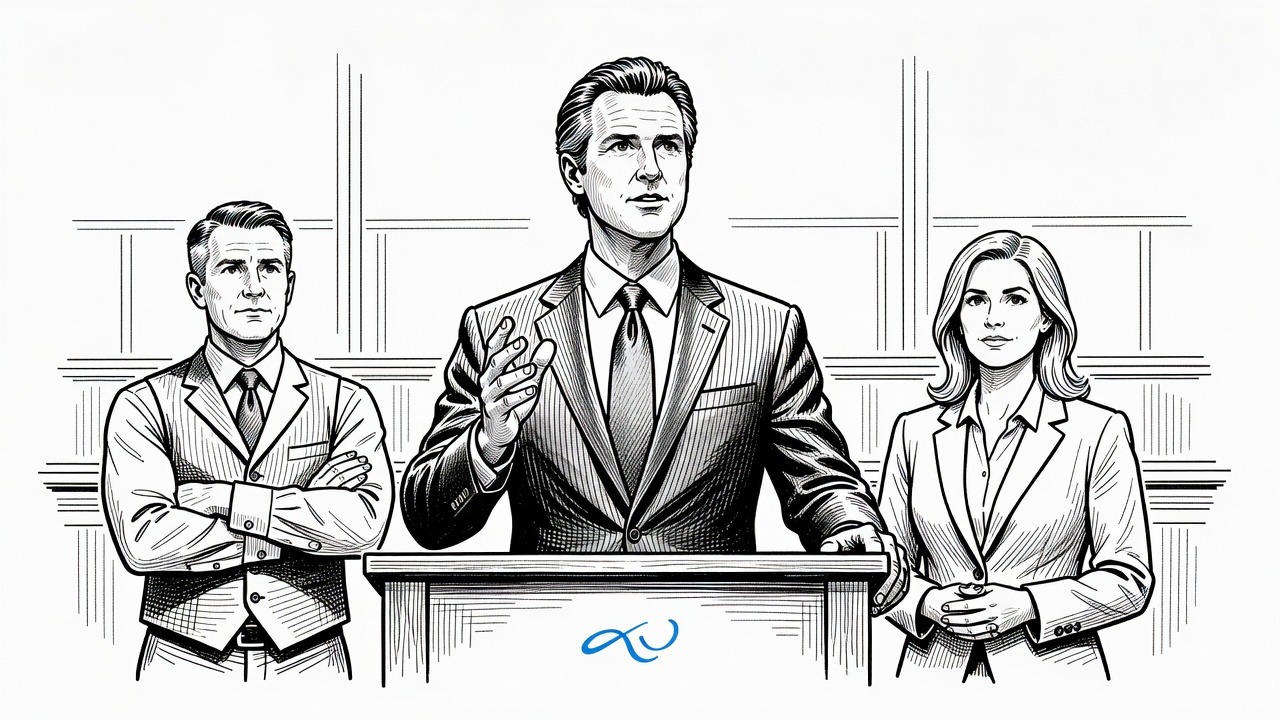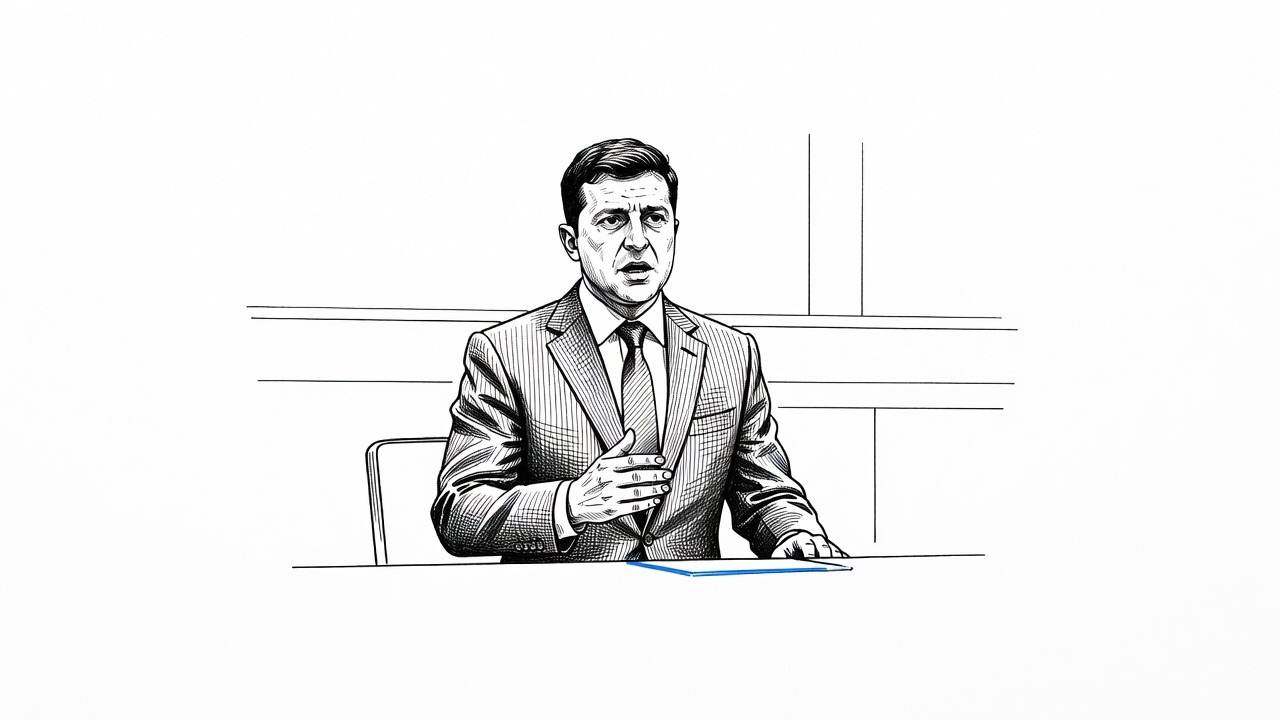
The word "Yalta" is being thrown around because it names a fear that has become real: great powers deciding the fate of countries that were never invited into the room. Zelenskyy is right to say it. The Left should say it louder than anyone, because self-determination was supposed to be our principle before it was a talking point for NATO enthusiasts.
Let me be clear about what I am not arguing. Talking to Moscow is not appeasement. Wars end at tables, and a left that cheers endless attrition while Ukrainian cities freeze and Ukrainian men are ground down at the front is not serious about human life. Diplomacy is a moral obligation.
But diplomacy has a shape, and this one looks wrong. Trump meets Kirill Dmitriev, a Kremlin financier whose job is to dangle business deals before Western leaders, and suddenly the agenda widens from ending a war to rewriting European security. Marco Rubio says talks on a post-war framework are already underway. Talks that include Russia and the United States are being held in a Gulf petrostate, with France attending. Ukraine, whose territory is the subject of the negotiation, is a topic of discussion more than a party to it.
That is not peacemaking. It is brokerage. The question to ask of any Trump deal is the one we ask of his business dealings: who is getting paid, and who is getting stuck with the bill? Trump has never treated alliances as obligations. He treats them as leverage and liabilities. A man who has openly mused about Russian economic reintegration is not a neutral referee. If the settlement trades Ukrainian land and European security for sanctions relief and investment opportunities, it will be a payoff to an aggressor, and every would-be conqueror will see that invading pays.
The Left also has to be honest about Europe, because Europe is failing its own test. Finland's and Norway's leaders phoned Putin on their own. Mette Frederiksen, to her credit, called out the freelancing and demanded unity. She is right. A continent of 450 million people with an economy many times Russia's is scrambling to get a seat at a table Washington set, because it spent decades treating its own security as an American subscription service. Each capital now hedges separately, which is exactly how a bigger power divides a smaller bloc.
This is where progressives have work to do. We cannot demand that Europe be a counterweight to Trump and Putin while shrugging at the cost of building one. A real European security architecture means joint procurement, common debt, and a serious defense industrial policy. It also means making the case to voters that this is a public good worth funding, rather than leaving it to defense contractors and nationalists to define. If the center-left will not own European strength, the far right will own a fake version of it, and some of that far right is already friendly with Moscow.
Retired Gen. Breedlove is right that Ukraine, the EU and NATO will not accept a deal made over their heads. But the objection cannot be only that they will refuse. The objection is that such a deal would be illegitimate, and unstable too. Peace imposed on a people who feel sold out is just an intermission. Ask anyone who has studied how 1919 or 1945 ended up.
So here is the standard. Ukraine signs or there is no deal. European states negotiate together or they get picked apart one by one. Any sanctions relief is tied to verifiable Russian commitments, and not to a business pitch. And no one is allowed to call it peace until the people who live there agree it is.