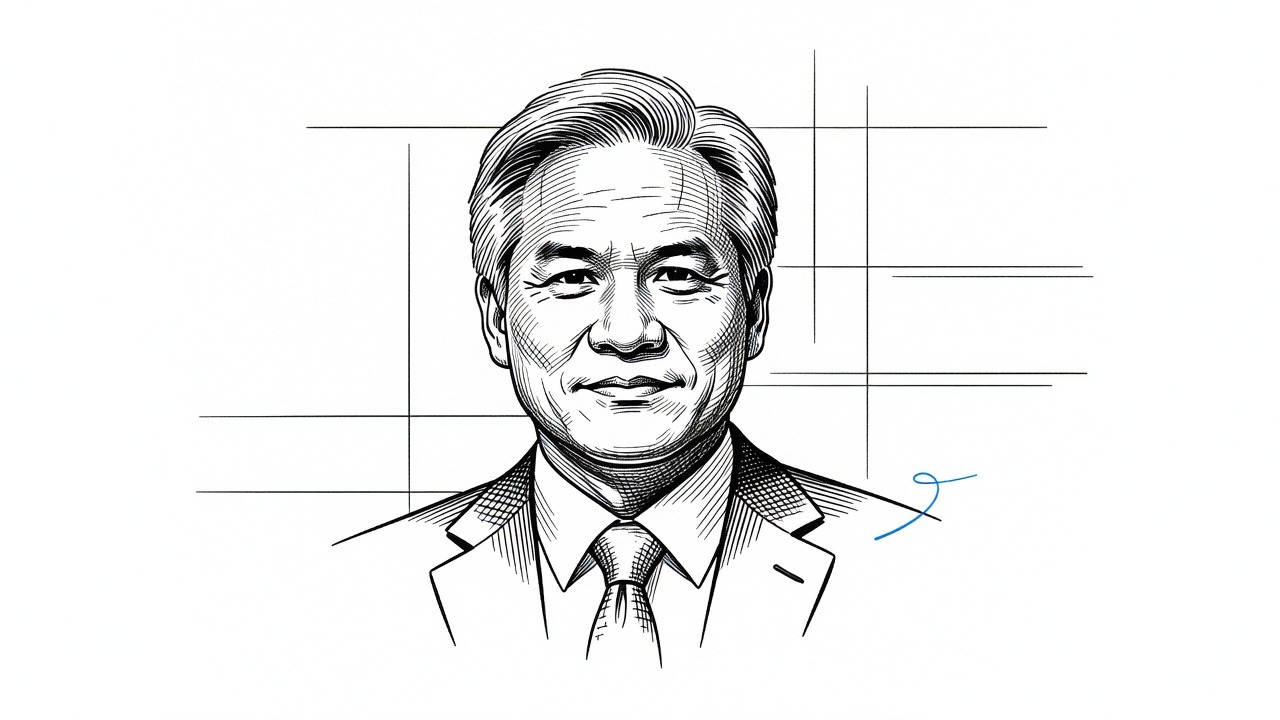
Let's dispose of the tabloid part first. Whom Jensen Huang sleeps with is between him and his wife. He has apologized, and that is where the moral interest ends. What is not private is that the head of the company that supplies the world's most strategically valuable technology had a relationship with a businesswoman whom U.S. intelligence agencies allege passed information to Beijing, and who is affiliated with a customer accused of helping restricted Chinese firms get around export controls.
That is a counterintelligence question, and Nvidia's answer so far is a corporate shrug. The company says the board will review available information and that it currently has no reason to believe secrets or national security were compromised. Note the order of operations: the conclusion arrives before the inquiry does. Huang, meanwhile, stays on the job while the board investigates him.
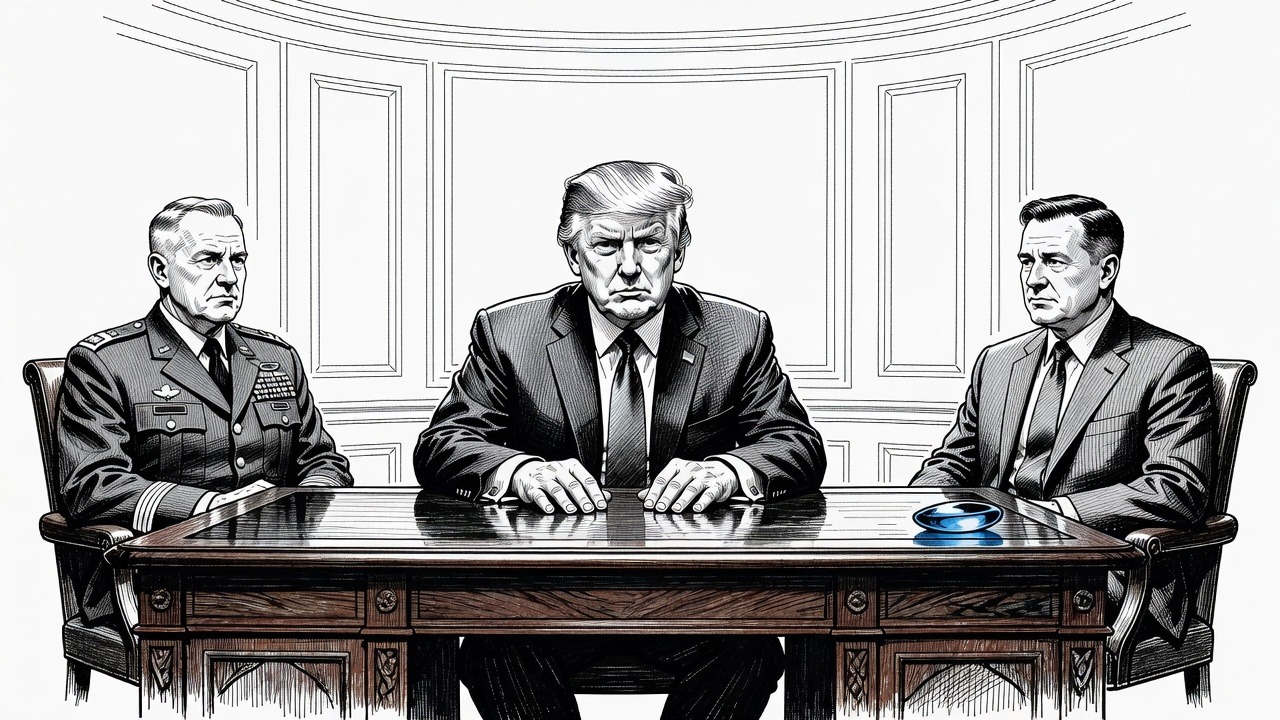
Consider who is doing the investigating. Nvidia's board is a collection of directors who have grown very rich on Huang's stewardship, through stock grants and a share price that turned a chip designer into one of the most valuable companies on earth. Asking them to judge the man who made them wealthy is not oversight. It is a family meeting with outside counsel. Boards sometimes do this well. The burden of proof belongs to them, and so far we have been handed an adjective, "internal."
Now the politics, because it is the part Washington would rather not discuss. Three Republican committee chairs want a closed-door briefing. Fine, but closed-door is the tell. A private chat with a CEO who has an obvious interest in reassurance produces reassurance. If the allegations are serious enough for intelligence agencies, they are serious enough for a public hearing, sworn testimony and documents.
And Republican indignation deserves skepticism, because the administration they serve has treated export controls as a bargaining chip rather than a security wall. Huang has spent years arguing that restricting chip sales to China is futile and self-defeating. He has found a receptive audience in a White House that has loosened chip restrictions in exchange for a cut of the revenue. When national security policy is for sale at a percentage, it should surprise no one that the industry treats enforcement as negotiable, and that middlemen like the one in this story see opportunity. You cannot declare the A.I. race existential on Monday and monetize the chokepoint on Tuesday.
Democrats should resist the lazy version of this story too. The lesson is not that a particular executive is uniquely compromised; we do not know that, and the story as reported does not say it. The lesson is structural. The government relies on private companies to police where their own products end up, and those companies earn enormous profits from every unit that finds a buyer. The Commerce Department's export enforcement office is chronically thin next to the volume of trade it is supposed to watch. Smuggling through shell firms and third countries is exactly what you would expect when a chip is worth tens of thousands of dollars and a rule is the only thing standing between it and a customer.
So here is what should happen. The board should bring in genuinely independent counsel who answer to the directors rather than to management, and publish the findings. Congress should hold open hearings, with Democrats and Republicans both asking why a customer under suspicion kept receiving the world's most sought-after hardware. Commerce should explain what it knew about Megaspeed and when. And Huang should answer questions about his dealings with that company under oath, not over coffee.
The scandal here is not adultery. It is that we have built a national security regime that depends on the goodwill of the people getting rich from breaking it, and then act surprised when the arrangement turns murky.