Texas lawmaker urges Abbott to curb governor’s emergency powers

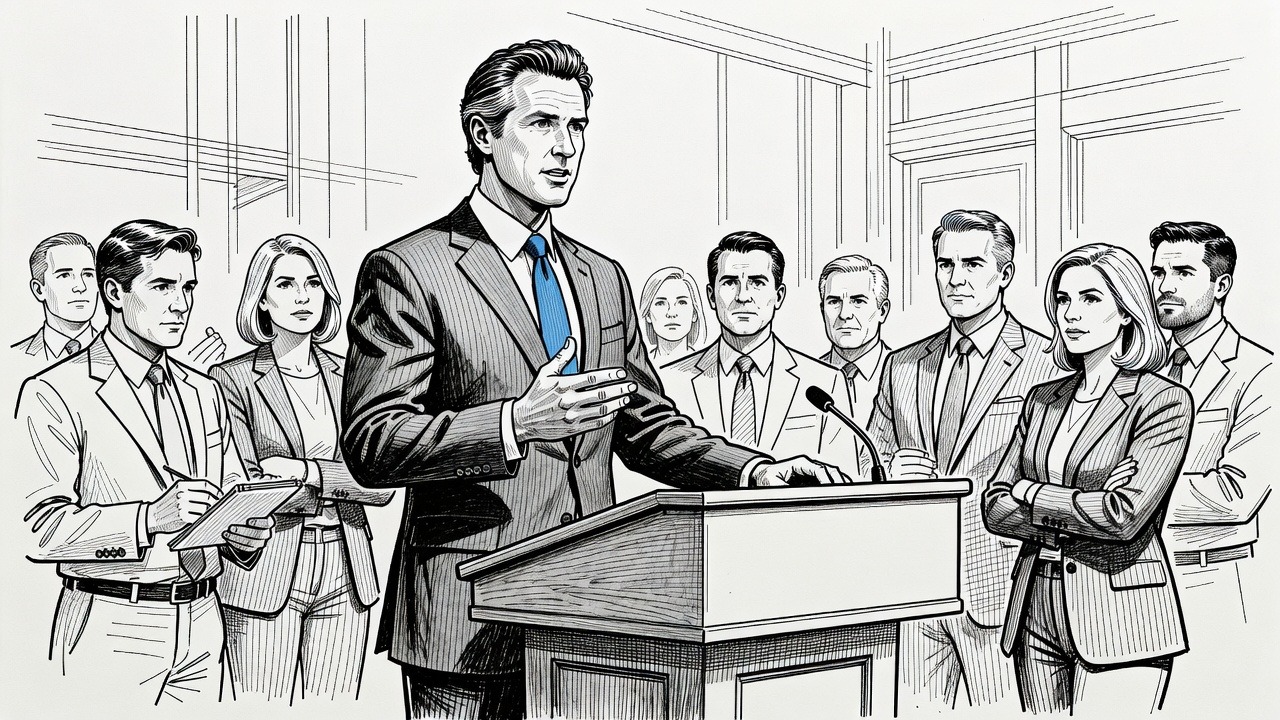
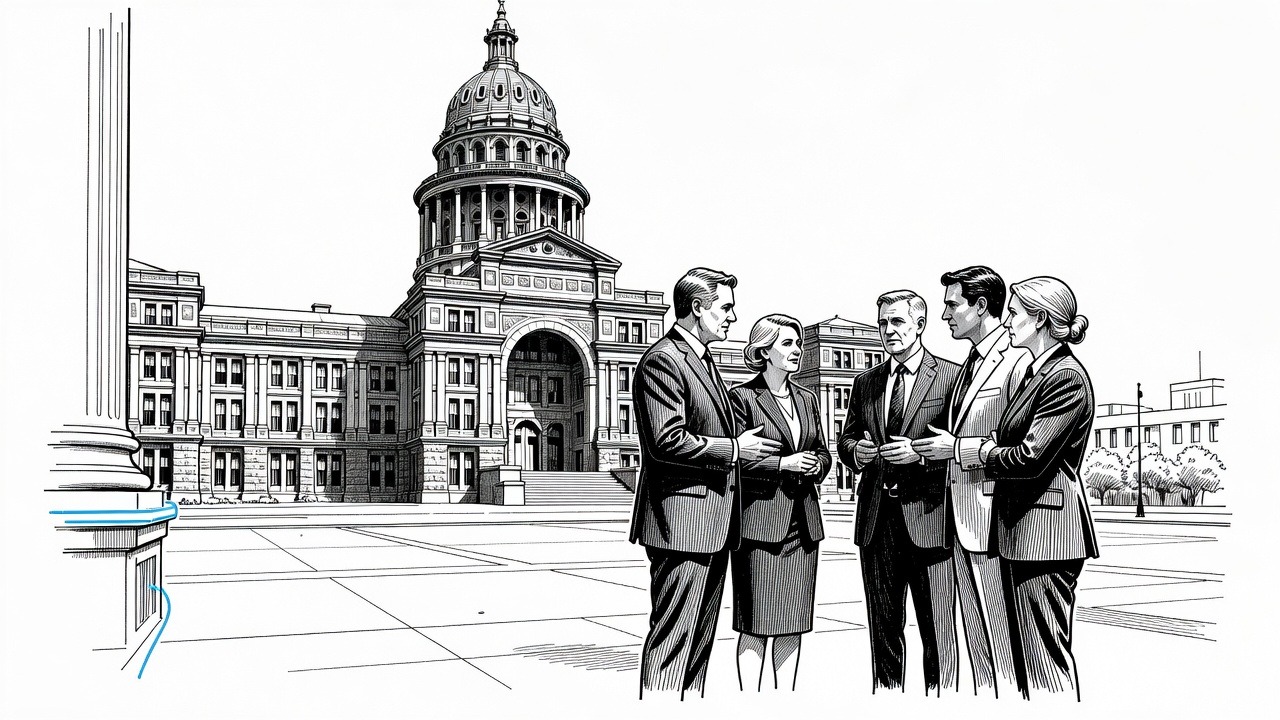
Illustration for: Texas lawmaker urges Abbott to curb governor’s emergency powers
AI-generated illustration. Visual interpretation does not represent real individuals or scenes.

THE BARE STORY

Republican state Representative Brian Harrison on Wednesday called on Texas Governor Greg Abbott to convene a special legislative session to limit the governor’s emergency executive authority.

Harrison said the session should consider House Bill 911, which he described as legislation he filed in December 2022. He said the measure would restrict authority exercised under a provision of the Texas Government Code and preserve separation of powers between the executive and legislative branches.

In his appeal, Harrison cited campaign commitments he attributed to Democratic governor-elect Gina Hinojosa, including plans to declare a high-cost emergency and use executive orders affecting residential electricity rates and state fuel taxes.

Abbott, in a concession statement Tuesday, said he would assist Hinojosa and her team during the transition.

Same Facts. Different Perspectives.

Two AI models. Two viewpoints. One factual foundation.

Greg Abbott’s concession statement is the easy part. Helping a successor’s team find the light switches is what adults do when they lose. Leaving that successor the power to suspend statutes and, by executive order, reach into residential electricity rates and the state fuel tax is something else. Representative Brian Harrison wants a special session to pass the bill he filed in December 2022 limiting the governor’s emergency authority under the Government Code. Abbott should call it. If he will not, then the Texas right’s post-COVID talk about separation of powers was never a principle. It was a complaint about being inconvenienced.

The incoming governor has not been coy. Hinojosa campaigned on declaring a “high-cost emergency” and using executive orders affecting residential electricity rates and the state fuel tax. Sit with that phrase. High-cost emergency. Not a hurricane in the Gulf. Not a freeze that drops generation in the dark. A price. Prices are information. They are sometimes painful information. They are not a disaster in the sense that justified handing any governor a temporary second legislature. Once “the bill is high” becomes a legal trigger, there is no ordinary season of government left. There is only the proclamation and the applause.

Texas wrote this temptation into law. The Disaster Act lets a governor suspend statutes and rules once a disaster is declared. It was meant for moments when the Capitol cannot move as fast as the water. It became a habit. COVID orders ran on and on. Democratic cities wrote mask and closure rules of their own, and the state’s answer was often to override them with a bigger emergency order rather than to end emergency government. Abbott renewed border disaster declarations until the word meant “the policy I intend to keep.” Republicans watched this, complained about pieces of it, and declined to take the pen away while the pen was theirs. Harrison filed the bill in 2022. It is still a request, not a statute. That failure belongs to the Republican legislature and to the governor who never seemed to regard his own authority as the problem.

So yes, doing it now looks late, and the other side will say it looks like the loser rewriting the rules. Meet that argument. It would have been cleaner in any session when Abbott was safe. Late is not the same as illegitimate. Hinojosa won. She will be governor. She will have the appointments, the veto, the budget, and a legislature she still has to deal with. A special session does not un-elect her. It declines to treat a personal power to affect taxes and rates by proclamation as one of the spoils. If the fuel tax should fall, the House and the Senate can cut a statutory tax in public, with a fiscal note and a recorded vote. If residential rates are unjust, the fight is at the Public Utility Commission, in the competitive retail market, and in the Capitol — not in a decree that freezes a number and calls the shortage mercy.

Texas has already seen what happens when electricity is treated as a political mood rather than a physical system. The deaths and the blackouts of February 2021 were not caused by a shortage of gubernatorial orders. They were caused by a shortage of power when the weather stopped cooperating. The aftermath was a long argument about who would be billed. That is a warning against decree, not an invitation to try rate-setting by disaster declaration. You do not generate a megawatt by suspending a statute. You reassign the pain, spook the investment, and teach every future governor that the electric bill is a campaign document.

Democrats who called Abbott’s emergency government authoritarian do not get to reclassify the same instrument as compassion because the party of the hand holding it has changed. A “high-cost emergency” aimed at rates and fuel taxes is not a modest cousin of a border declaration. It is the statute pointed at the household budget, which is a more intimate place to discover that you liked executive power after all. If they believe governors should govern that way, they can defend it on the floor. They should not inherit it in the quiet of a transition the defeated governor has volunteered to assist.

Abbott’s remaining duty is not complicated. Call the session. Make his own party vote, out loud, on whether the legislature still writes tax and utility law. Make the incoming administration’s allies vote on whether affordability requires the suspension of ordinary government. Then leave. Shake the hand. Mean the concession.

If he won’t, his right-flank critics will have been right about him for the dullest reason. Emergency power was never a constitutional embarrassment to this governor. It was a tool he liked. He used it, he would not cage it, and he is prepared to gift it, intact, to a successor who has already announced the first order. That is not grace. That is walking out and leaving the safe open because locking it would feel rude.

How it may affect me

If Abbott does not call the session, the emergency statute stays as it is. A governor who declares a high-cost emergency could try to move residential power rates and the state fuel tax by executive order, without a recorded legislative vote. For anyone paying an electric bill or buying gasoline in Texas, the practical difference is whether a change arrives through a statute you can read before it passes, or a proclamation you read after it takes effect. Watch whether the call actually comes, and whether members will vote on the bill before the transition ends.

Read the story at

Note: All TheBareNews content is AI-generated. For additional context, reporting, and updates, you are invited to explore the news outlets linked above.

Stories You May Have Missed