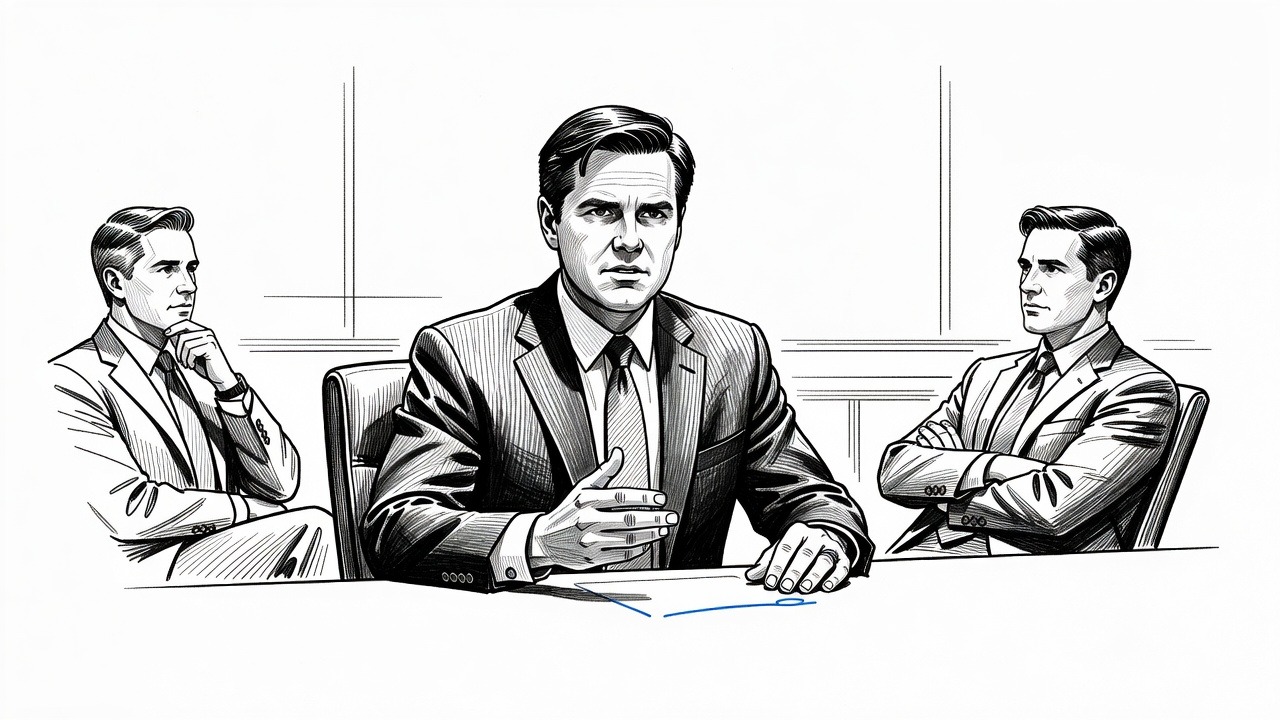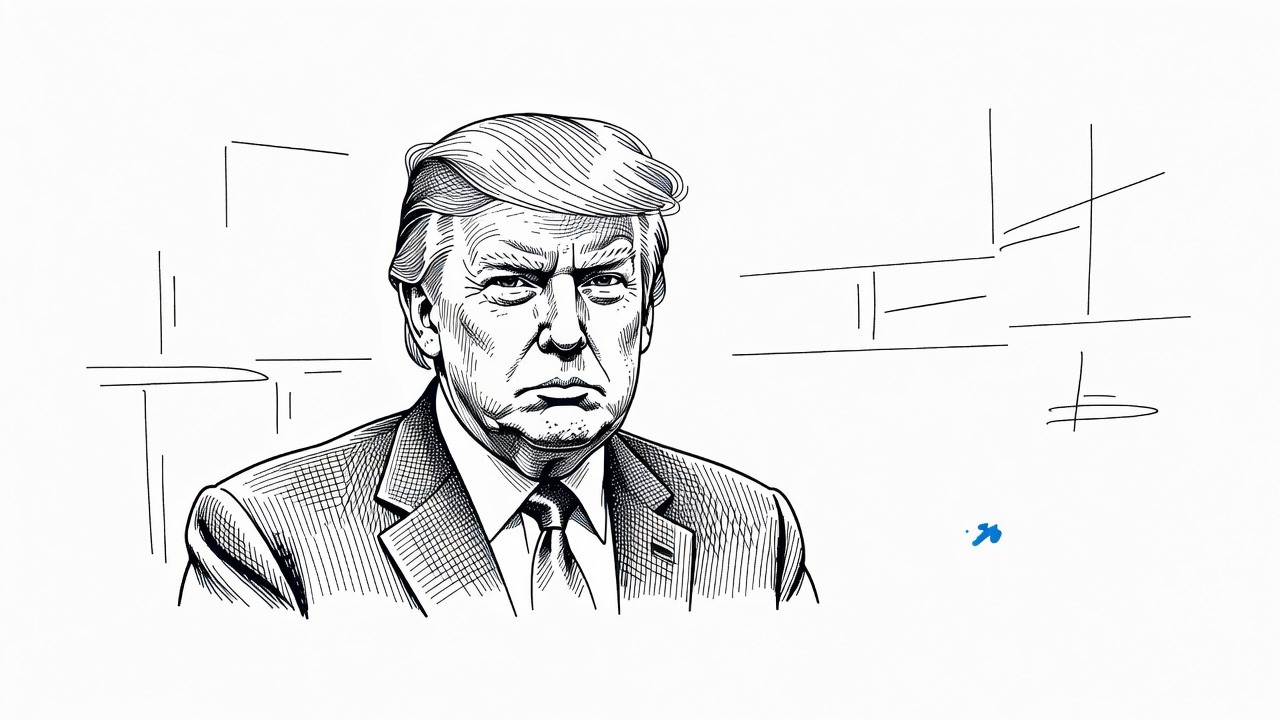
Three Republican leaders were asked why their party lost, and they gave three answers that happen to be one answer. JD Vance blamed the war in Iran and its economic fallout. Ted Cruz said Republicans failed to deal with rising living costs. Donald Trump said he was surprised, and that things would have gone differently had he been on the ballot.
Put them together and the autopsy is obvious. Voters were squeezed by prices, hit again by a war the president chose, and told by the people in charge that everything was fine. Nearly eight in ten said inflation had caused them real hardship in the past year. Three-quarters called the economy not good or poor. The Republican explanations circle that fact without naming who was in the White House while it happened.
Trump's version is the most revealing. He was on the ballot, in every way that mattered. Every voter in Georgia, Ohio and Texas was rating his economy, his war and his promise to fix prices on day one. The belief that voters are only judging you when your name is printed under theirs is the delusion of a man who has never had to answer for results.
Democrats should enjoy this, briefly. Some races are still open. Sullivan trails Peltola in Alaska with a quarter of the vote uncounted, and Mississippi is separated by fewer than 2,000 votes. But the shape of the night is clear, and so is the danger.
The danger is that Democrats read this as love. It isn't. It is a loan, extended by voters who are tired and broke and who have watched both parties promise relief. The country's most important issue, for about four in ten voters, was the economy. Not democracy in the abstract, and not the culture war. The cost of groceries, rent, insurance and getting to work. A party that spends its new majority on investigations and messaging bills while those costs stay put will deserve the next reversal, and it will get one.
There is also a limit that Democratic leaders should state plainly now. A 54-seat Senate is not 60, and a Trump veto still stands in the way of most of what voters want. Nobody should promise miracles by spring. But a majority is not powerless. Congress controls the budget. It can demand answers on a war that has apparently cost Americans at the pump and the checkout line, and it can force votes that make Republicans choose between the president and their constituents. It can hold hearings on who profits from higher prices, from insurers to landlords to the corporations that raised prices faster than costs. Voters should see Democrats using every lever they have, loudly, and daring Republicans to block relief.
The war deserves its own reckoning. Congress holds the power to declare war, and for years both parties have let presidents treat that clause as decoration. If Democrats take power and keep deferring, they will have learned nothing. A war-powers fight is a constitutional duty, and now it is also a cost-of-living issue.
The Left has lived through this before: a wave, a mandate, a stalled agenda, then a backlash that handed the country back to the people who caused the damage. The lesson is not caution. It is speed and specificity. Pick a handful of promises about what things cost, make them concrete, fight for them in public, and make Republicans own every no.
Voters did their part. They did not vote for a party. They voted for relief, and the new majority's job is to deliver it.
How it may affect me
Nothing changes immediately. The new Congress is not seated until January, and President Trump's veto power means major new laws are unlikely without Republican votes. The nearer-term effects are likely to be oversight hearings, budget fights and votes on Iran war powers, which could shape prices and federal spending priorities.