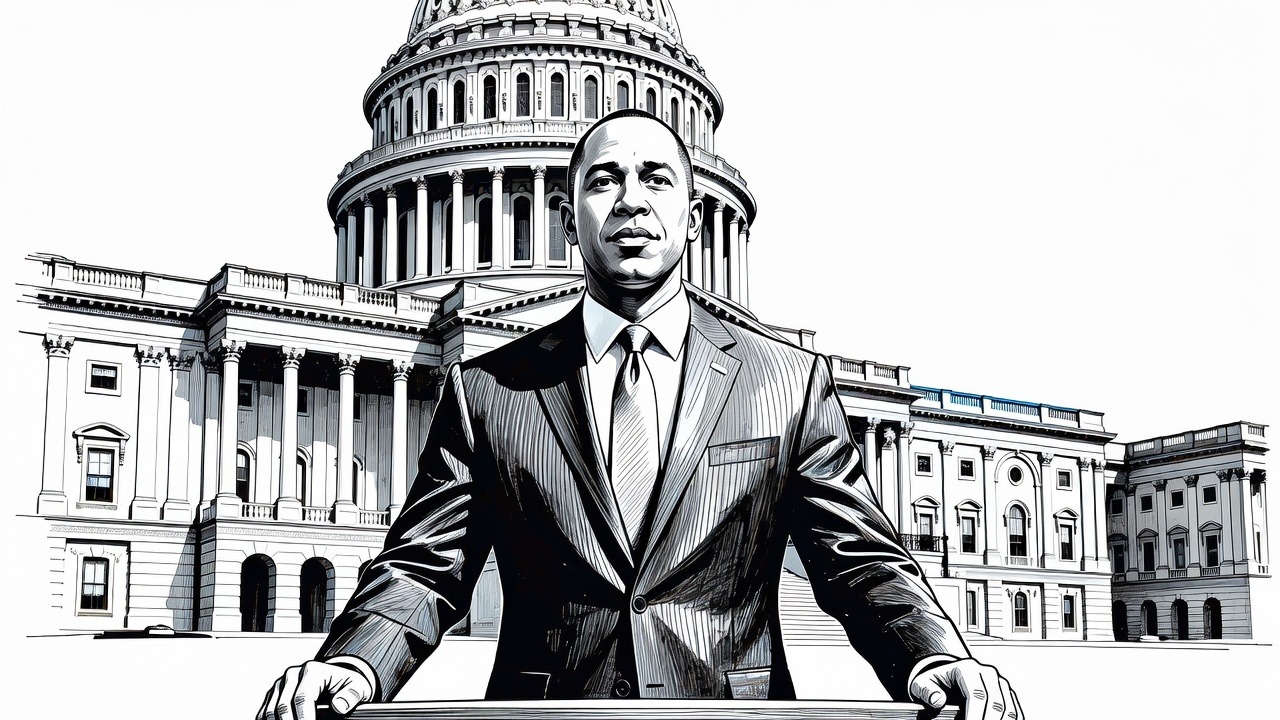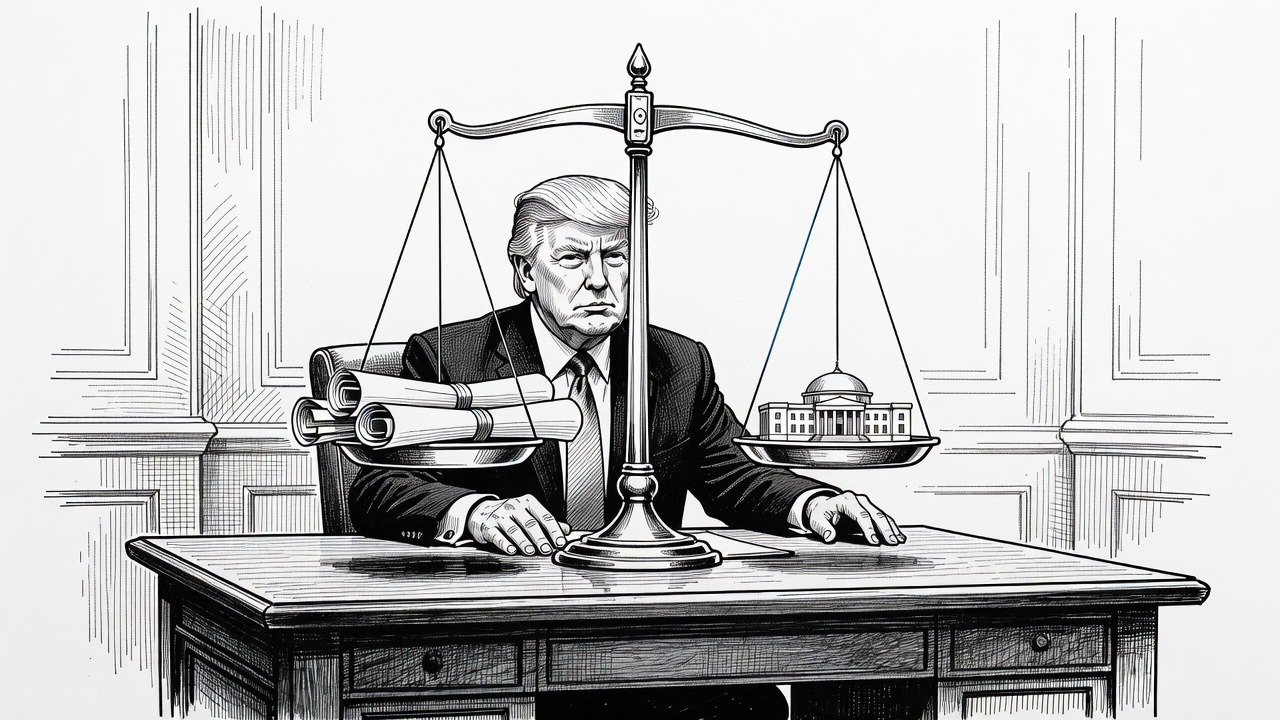
Notice what Vice President JD Vance actually said. The war with Iran cost Republicans the midterms. He did not say it was a mistake, or that it was illegal, or that it failed to make anyone safer. He said it was bad for the party. Trump, we're told, reached the same conclusion the night before.
That is the whole moral universe of this administration's war policy, delivered in a single sentence. A war is judged by the ballot count, not by what it did to the people fighting it, living under it, or paying for it.
The timing is just as revealing. Only after voters have spoken do we hear that Trump has "no immediate plans" to strike Iran, that the U.S. will trim some funding to Israel, and that senior American and Iranian officials are open to a diplomatic resolution. Oil traders are already pricing in talks. So the off-ramp existed. It simply became visible once the election was over and the damage was done. Voters spent months absorbing the risk of escalation, and the people who chose that risk now treat their own pivot as a clever reset.
The Right's best rebuttal is that midterms are rarely about one issue. Presidents' parties usually lose ground, prices bite, and the war may be one factor among many. That's fair. But Vance is the one who named the war as the cause, and he is in a position to know what his party's own polling says. The administration cannot treat the war as a decisive political fact when it's convenient and as a distant national-security necessity when asked to justify it.
Vance also talks about the war as if it were weather, something that happened to Republicans. It was a decision. Trump and the people around him made it, and they made it with the thinnest democratic consent: no serious congressional debate worth the name, and a public asked to trust that this would be quick, clean and contained. Whatever else happened, voters have now delivered the review that Congress declined to conduct.
That is the uncomfortable part for Democrats, too. The country's rebuke of a war is not the same as a Democratic plan to prevent the next one. For years, too many in my own party have been content to let presidents of both parties treat Article I as a suggestion, voting for speeches and against accountability, then complaining when the bombs fall. If Democrats read this result as a mandate only to hold hearings and score points, they will have learned nothing. The test is whether they force recorded votes on war powers, demand that any renewed strike come with congressional authorization, and insist that any diplomacy is real rather than a pause until the next political season.
The Israel funding comment deserves the same scrutiny. A reduction announced offhandedly in the same week as an electoral defeat is not a policy. It is a signal, and signals can be withdrawn. If American aid is going to be conditioned on anything, whether the conduct of Israel's government or the risk of dragging the U.S. into wider conflict, that should be written into law and debated openly, not floated from a podium and reversed when the news cycle turns.
The lesson here is simple and should be stated plainly. A war launched without public buy-in, sold on confidence rather than evidence, and abandoned the moment it threatens the party's seats is not statecraft. It is a gamble with other people's lives and other people's money. Voters called the bet. The only remaining question is whether anyone in Washington will make it harder to place again.
How it may affect me
Energy markets are already trading on the odds of Iran talks, so gasoline, heating and airfare costs could move quickly in either direction depending on whether diplomacy advances or regional escalation resumes. Households with tight fuel budgets should expect volatility rather than a clear trend until negotiations are confirmed.