When a war can be priced, you learn what it costs. On Monday crude fell, and industrial and aerospace stocks rose, because traders heard that Washington and Tehran might talk rather than shoot. The market spent the day telling us what the rest of us should have been shouting for months: diplomacy is cheap, escalation is expensive, and ordinary people pay the difference.
The obvious point is that this was never a choice between talking and fighting. It was always available. Secretary of State Marco Rubio now says President Trump "preferred" a diplomatic settlement. Preferred? This is the same administration whose first term shredded the 2015 nuclear agreement, a deal that was verifiably constraining Iran's program, in exchange for a "maximum pressure" campaign that produced no better deal and a more dangerous region. Having burned the existing diplomatic architecture, Washington now rediscovers diplomacy as though it were a bold new idea, with Qatar left to do the work the United States once did itself.
I don't want to flatter Tehran. The Iranian state jails dissidents, crushes protest, and arms proxies. A Supreme Leader ordering the military to respond "immediately" to threats is not a man whose restraint anyone should take on faith. But the Left's instinct for diplomacy is not softness about the regime. It is hard arithmetic. Bombs do not produce a better Iran. They produce a more paranoid one, a more militarized one, and one with every incentive to treat a weapon as the only insurance policy against being attacked again. Talks are how you get inspectors, limits, and verification. Strikes are how you get none of them.
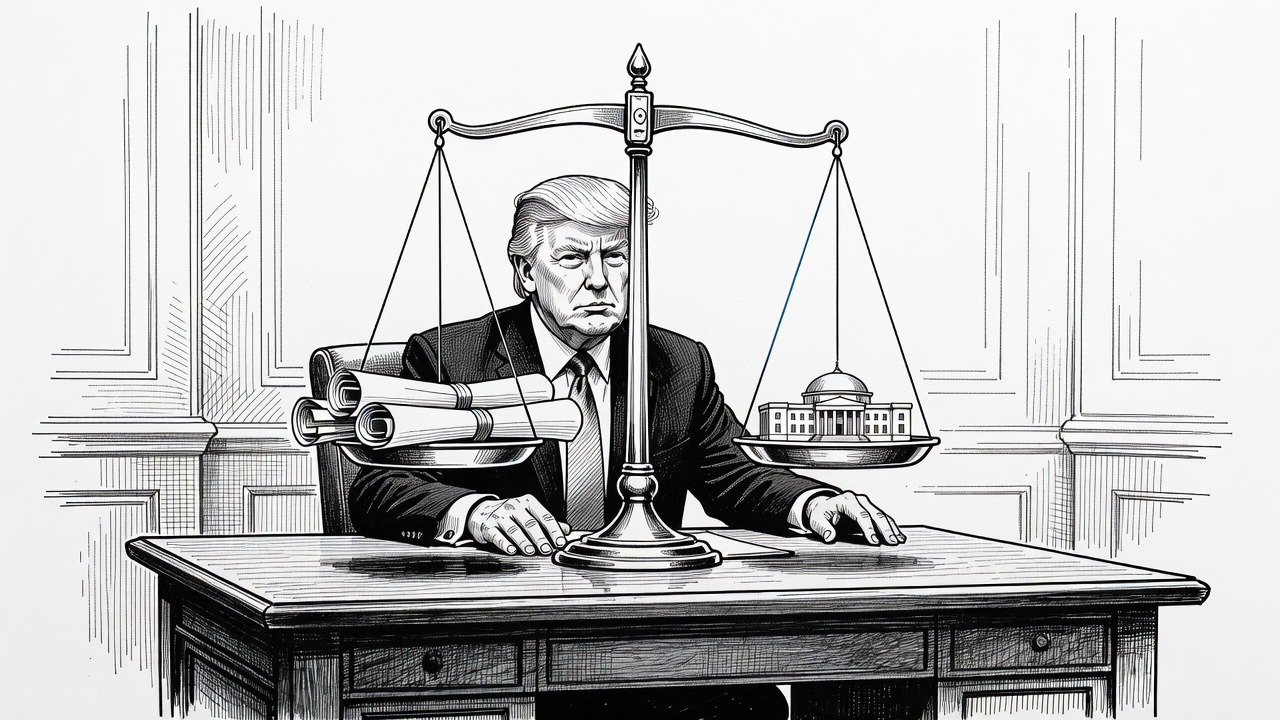
Notice, too, the casual phrase that no final decision has been made and that the administration has the capabilities for military operations. Made by whom? One person, apparently. The Constitution gives Congress the power to declare war, yet the question of whether the country goes to war with a nation of nearly 90 million people is being handled as a presidential mood and a negotiating posture. Rubio's line is a threat aimed at Iran, but it is also a reminder to Americans that they have been made spectators.
And here the Left owes itself some honesty. Too many Democrats have spent years issuing statements of "concern" about executive war-making and then declining to force a vote that might split their caucus or look weak on Iran. Voting on war powers is not a radical act. It is the job. If Congress cannot muster the nerve to say aloud whether it wants this conflict, it has no right to complain when a president treats the question as his own.
Then there is who absorbs the shock. A spike in crude is not an abstraction. It is a longer commute for the home health aide, higher diesel costs for the trucker, heating bills for retirees on fixed incomes, and an inflation story that the same politicians will blame on someone else. Meanwhile defense contractors have every reason to welcome an extended crisis. Monday's rally in aerospace stocks only underscores that peace and profit do not always point the same direction, and that some of the people urging toughness are paid by the ton.
Take the lower oil price as a verdict. Talks reduce risk, and escalation raises it. If this administration means what Rubio said, it should do the unglamorous work: put terms on paper, accept verification, and bring any use of force to Congress first. Anything else is gambling with other people's gas money, and other people's sons and daughters.
How it may affect me
Fuel prices usually trail crude by days or weeks, so any relief at the pump will be gradual and could reverse quickly if talks collapse. Drivers, truckers and households with heating-oil bills should expect volatility rather than a lasting drop. Retirement-fund holders may also see swings in energy, industrial and defense stocks as headlines change.