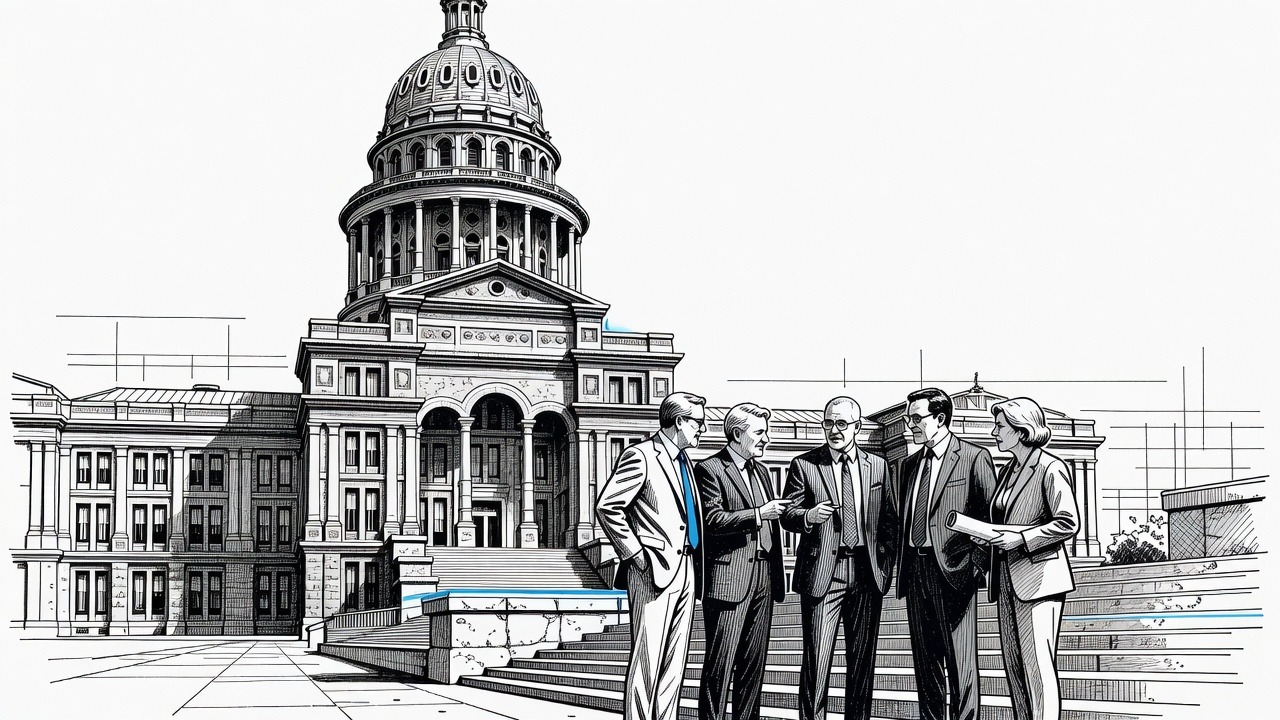
For thirty years, Democrats were told Texas was a mirage. Next cycle, next decade, once the demographics ripened. Now the state has elected a Democratic governor and a Democratic senator, and the people who spent those decades shrugging are searching for explanations that don't flatter the winners.
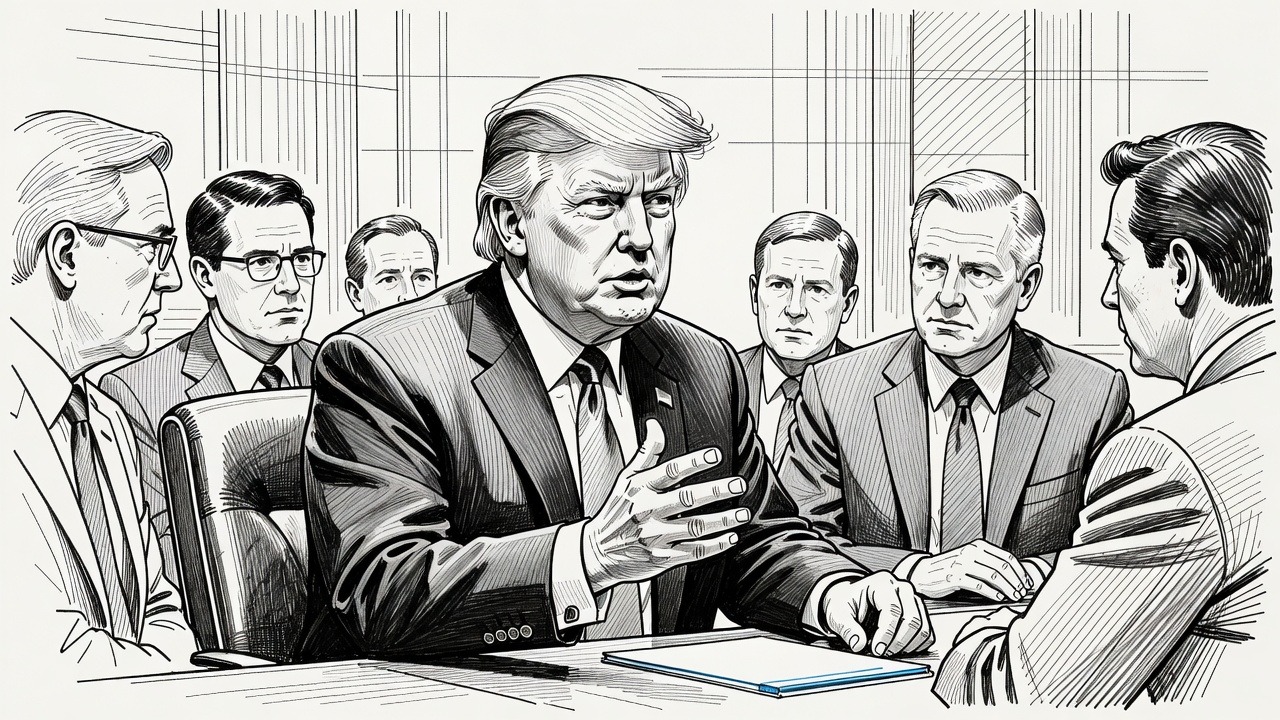
The most honest explanation came from Ted Cruz. He said the results reflected voter frustration over the cost of food, fuel and insurance. Take that seriously, because it is a confession. The party that has run Texas for a generation, and that held the governor's mansion and a Senate seat, is admitting that ordinary people are being squeezed and that voters held the people in charge responsible. That is the Left's argument about the economy, delivered by a Republican senator on the night he lost.
Hinojosa's campaign was built on that argument, and it was specific. She opposed Abbott's school voucher program, wanted more money for public schools and higher teacher pay, and wanted the state's standardized testing regime rethought. That is not a mood. It is a position about what government is for. Vouchers were sold as freedom, but they pull public money out of the schools most families actually use and hand it to a market that can pick its customers. She told Texans that a good neighborhood school is not a luxury and ran against the man who made her case harder. She won. Nobody should pretend that one issue decided the race, but nobody should pretend it was irrelevant either.
The data center fight deserves more attention than it got. The candidates split on expanding them, and that split is a preview of the next decade. Enormous private computing facilities want land, water and electricity in a state where people already worry about their power bills and their grid. The question is who gets the gains and who absorbs the costs. Democrats finally have a governor who can ask it from the seat of power rather than from a press conference.
Now the harder part, and I say it as someone on the winning side. Talarico said he intends to work with Republicans and with President Trump. Fine. A senator from Texas should take any vote that lowers grocery, fuel or insurance costs, and nobody should sneer at a winner for being gracious. Cruz called to congratulate him and says he's open to working together. Let him prove it.
But cooperation is a tactic, not a destination. Talarico also called for an end to the war in Iran and for immigration legislation that pairs border security with a pathway to citizenship. Those are the places where Washington's bipartisan comity runs out. The Republican bargain on immigration has long been to take the enforcement and defer the citizenship forever. A Democrat who accepts that deal and calls it compromise has been taken to the cleaners. On Iran, there is nothing to split down the middle about a war that voters evidently want over. Talarico should make them vote on it, on the record, and make Texans watch who votes which way.
The lesson for the national party is not that Democrats should dress as Republicans to win red states. These candidates won by talking about what things cost and who is making them cost more, and by defending schools as public property. That is not centrism. It is a material argument, made without apology, to people who have not felt rewarded by the party that claims to speak for them.
Texas Democrats have been handed something rare: a mandate defined by the other side's own admission. If they spend it on gestures, or on proving to Trump's allies how reasonable they are, voters will have every right to take it back. Prices are the test. Schools are the test. Deliver on those, and the mirage becomes a map.