Vice President Vance says Republicans lost because voters hated the Iran war. Trump says that assessment is "largely accurate" and he'd do it again anyway. Read that twice. It is a confession dressed up as defiance: the voters spoke, and the president's answer is that he doesn't care.
Democrats should enjoy this for about a day. Then they should look hard at what they've actually won, because it is less than the headline suggests.
The projected Senate majority of 54 is large, but it is nowhere near the two-thirds supermajority needed to override a veto. That would take 67 votes if every senator voted, and Democrats are not close. The House majority is real, and it is also the Democrats' first since 2020. Between them they get the power of the purse, subpoenas, hearings and the ability to stop things. They do not get the power to make Trump do anything. Anyone promising voters a restored healthcare system by spring is selling something.
That is why Trump's sudden eagerness to "work with" Democratic leaders deserves suspicion. It is the posture of a man who knows he holds the pen. A bipartisan bill he signs is a bill he gets to shape, take credit for, and strip of anything that matters. Democrats should talk to him, and they should put nothing on the table that they would not defend at a town hall.
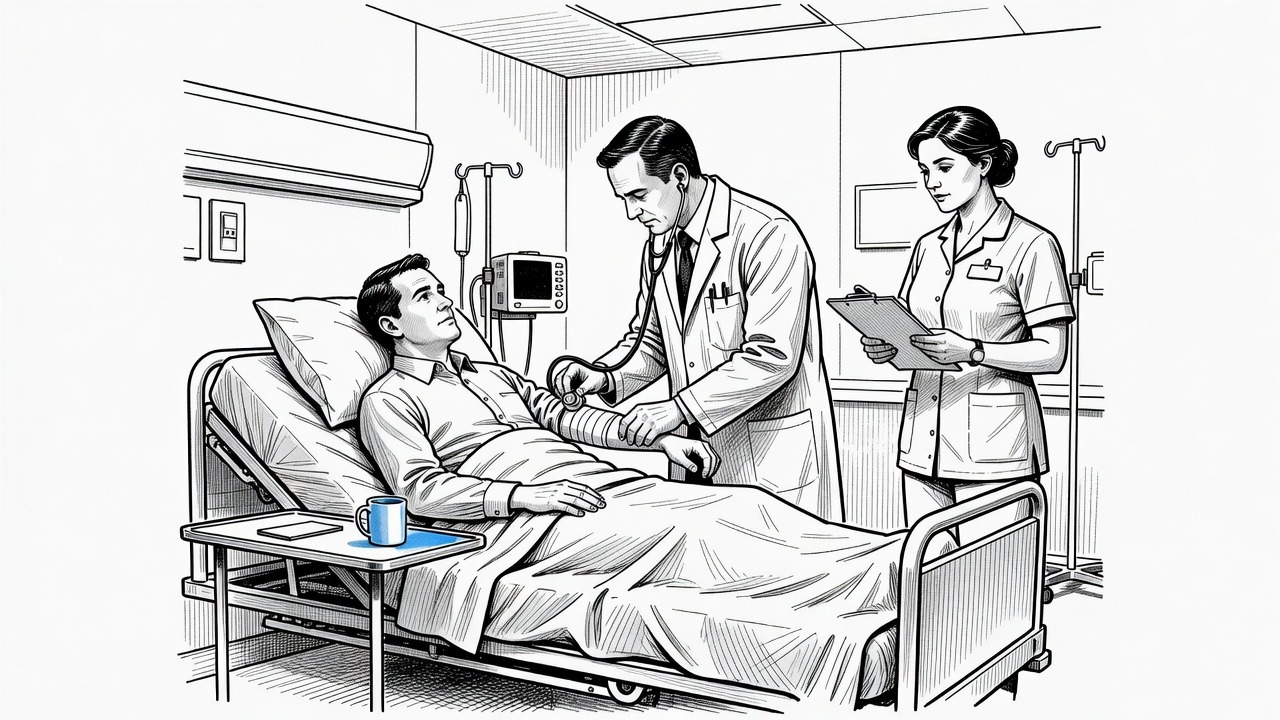
Vance's explanation is also too convenient. Blaming the war lets the party treat this as a one-time foreign policy error, a mistake that can be fixed by moving on. But Democrats are right to center health care. The expired Affordable Care Act subsidies, the Medicaid work requirements and the spending cuts are not abstractions. They show up as a premium notice, a coverage letter, or a rural hospital that cuts a service. A war is distant until it kills someone you know. A health bill arrives every month. If voters punished Republicans for Iran, they were also punishing a government that kept finding money for missiles while making ordinary people prove they deserved insurance.
So here is the test for the new majority. Democrats should use appropriations as leverage, and they should say so plainly: no spending deal that leaves the subsidies dead and Medicaid hollowed out. Make Republicans explain, on the record and in public, why they'd shut the government down over helping people afford a doctor. Make the president veto it. A veto of subsidy restoration is a campaign ad that writes itself for 2028.
On Iran, Democrats should stop being polite. A majority can demand hearings, force war powers votes, and put commanders and cabinet officials under oath. Trump said he would make the same decision again, which means Congress has to decide whether it will keep letting one man decide when the country goes to war. Congress has spent decades ducking that duty. Democrats have ducked it too, and a party that wants credit for opposing this war should be honest that the failure of congressional oversight is bipartisan.
There is a trap on the Left as well. Winning because the other side is unpopular is not the same as earning trust. Jeffries and the new Senate leadership have a narrow window to show that Democrats mean what they say and can use power. If they spend it on process fights and cautious messaging, voters will correctly conclude that they replaced one distant elite with another.
The election was a rebuke. Whether it becomes a mandate depends on whether Democrats are willing to fight when the president smiles and offers to talk.
How it may affect me
Nothing changes immediately. The new Congress is seated in January, and any restoration of ACA subsidies would still need Trump's signature. If you buy marketplace coverage or rely on Medicaid, plan around current rules and watch for changes in open enrollment, work requirements and state implementation.