Three-quarters of Americans told exit pollsters they are unhappy with the direction of the country. Washington will spend the next week treating that as a mystery. It isn't one.
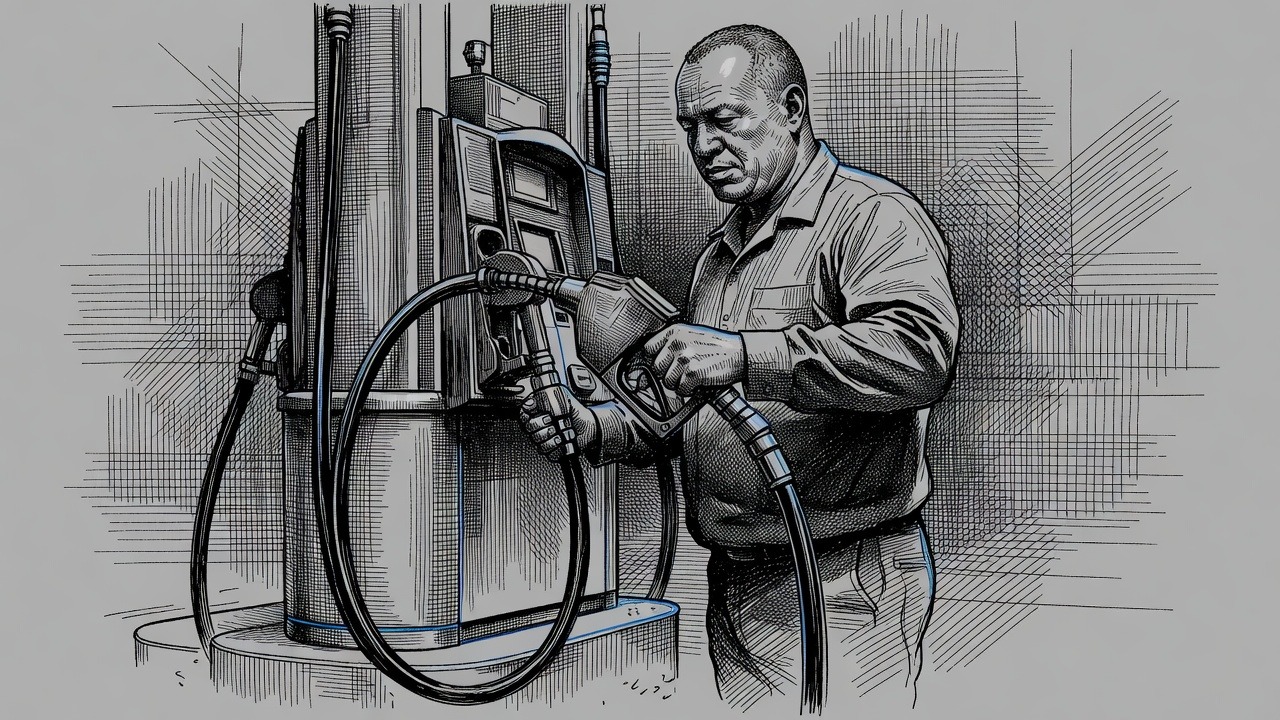
Since February, when the Iran war began, the national average for a gallon of gas has risen $1.16, to $4.14. The petroleum analyst quoted in the exit-poll coverage, Patrick De Haan of GasBuddy, attributes the increase in part to war-related supply shortages. Voters who say their finances got worse are not confused about cause and effect. A war was started, and they were handed the bill at the pump.
That is the part of this election the political class would prefer to blur. A gas-price spike is a tax, and a viciously regressive one. It lands hardest on the home health aide with a 40-mile commute, the rural electrician who can't work from a laptop, and the delivery driver whose margins disappear with each fill-up. The people who decided on this war will not feel it. The people asked to absorb it never got a vote on the trade.
Don't let the 12-cent drop over the past week pass as good news. Mr. De Haan credits it to falling crude prices and the end of peak seasonal travel. That is the calendar, not a policy. A family paying $1.16 more than in January is not grateful for a dime back.
Now the uncomfortable part, which my own side should hear. The exit polls show Democratic voters naming the state of democracy as a top concern, while the country's overwhelming worry is the economy. Democracy matters. If this election proves anything, it's that Americans still insist on a say. But a party that sounds like a seminar on institutions while people are rationing their commutes will keep underperforming its moment. The two issues are not rivals. They are the same issue.
Democracy means that the people who pay for a war get to ask whether it was worth it, who profits from it, and what the exit plan is. It means a government that answers when a household's fuel budget is quietly raised by roughly a thousand dollars a year. Voters feel this in their bones, even if they don't phrase it as a civics lesson. The pocketbook is where abstract power becomes personal.
So Democrats who did well on Tuesday should resist the urge to claim a mandate for process reform and call it a day. They should demand a full accounting of what this war has cost ordinary households, press for fuel-price relief paid for by those who profit from the volatility, and force the argument over whether Americans are being asked to subsidize a conflict through their own checkbooks. If they win seats and then talk only about norms, they will have learned nothing.
The Republicans, meanwhile, ran the country into higher prices and are now counting on immigration to change the subject. Their voters named it as a priority, and that is their right. But a border speech does not fill a gas tank. The party that promised relief from inflation delivered a war premium instead, and no amount of rally-stage anger will make a family's weekly budget stretch.
The country is telling both parties the same thing in different dialects. The economy is the issue, and whoever makes people feel safer at the pump and the grocery store will deserve the power they just asked for.
How it may affect me
As an illustration: a household filling up about 15 gallons a week is paying roughly $17 more weekly, or about $900 a year, than before the war began. Pump prices have eased lately, but with the drop tied partly to seasonal demand, don't assume the relief will last.