Haley Stevens says she is still a Democrat. So was the guy who sold you a lemon last week, in his own mind. Labels aren't loyalty. Loyalty is what you do when you lose.
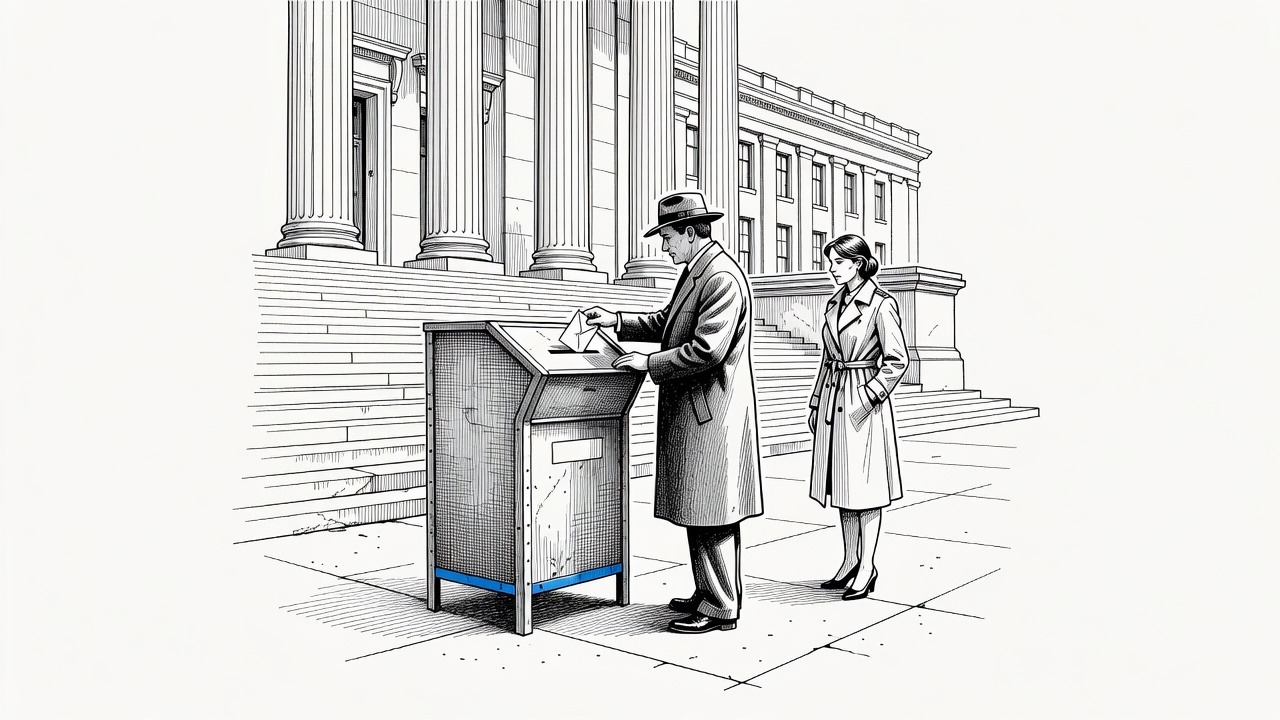
Stevens lost a primary by a single point. That is painful, and she is entitled to her disappointment. She is not entitled to dress it up as principle. Days before an election that could help decide control of the Senate, she stood in a church with Mike Rogers, the Republican, and told Michigan Democrats to help him beat the nominee she lost to. Vance immediately said it would help Rogers. For once, the vice president was right about something.
Her stated reason is that the party is divided. But the primary is how a divided party settles its argument. Democratic voters heard from the establishment candidate and from the insurgent, and they picked Abdul El-Sayed. Stevens's answer, in effect, is that the verdict only counts if it goes her way. That is not concern about division. It is the cause of it.
The strongest defense of her is that parties are not owed unconditional obedience, and El-Sayed reportedly told her she wasn't welcome in his campaign. Fine. Politics is not group therapy. Nobody has to like the person who beat them, and a candidate can have real policy disagreements with a nominee. A senator can refuse to endorse. She can sit quietly in her district and nurse the wound. That is what adults do. Campaigning for the other party is a different act entirely. It means you think the Republican Senate majority, with everything it will do on health care, labor, courts and Trump's agenda, is a better outcome for Michigan than a Democrat you dislike. If that is her judgment, she should explain what Rogers would do for the people she represents. She talked about feelings, not about votes.
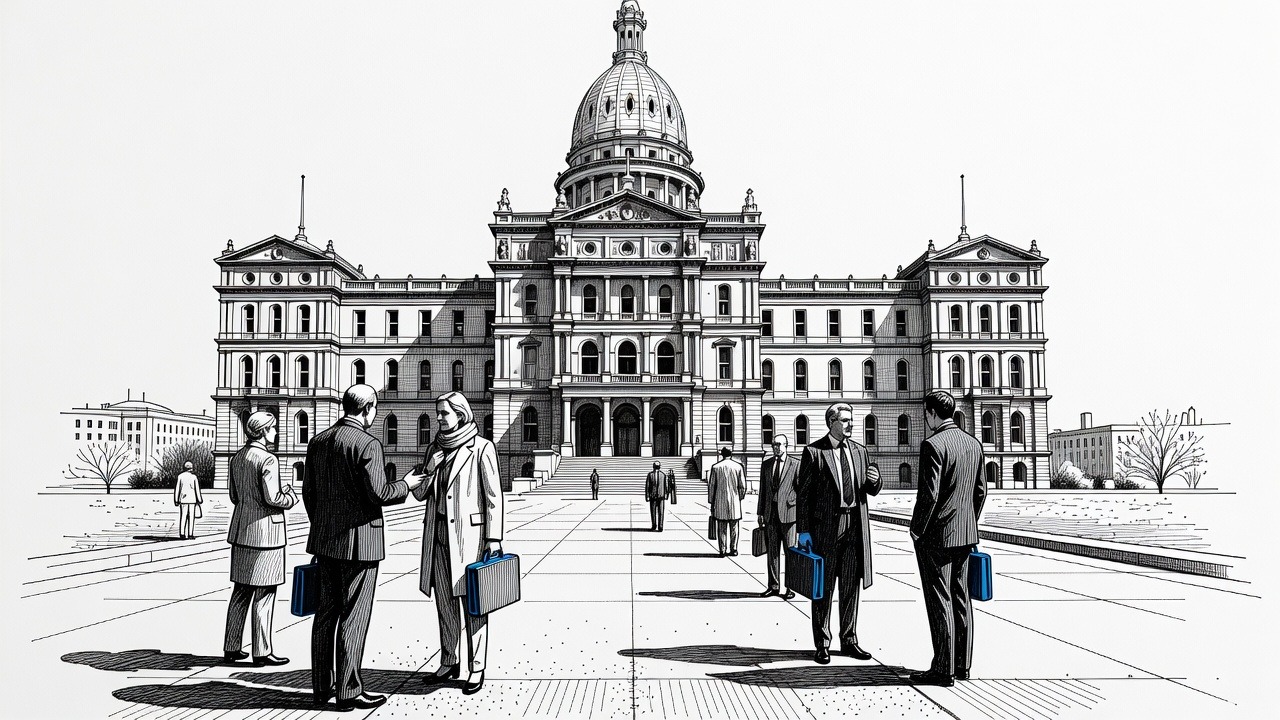
The hypocrisy deserves attention. This is the same Democratic establishment that spent years lecturing the left about unity, about swallowing your doubts and voting blue no matter who. Progressives were told, repeatedly, that purity is a luxury and the stakes are too high. They mostly complied. They knocked doors for candidates who hadn't earned it and who sometimes treated them with open contempt. Now an establishment Democrat gets beaten fairly and walks across the aisle. The rule, it seems, only ever bound the people with less power.
If Democratic leaders are furious now, good. But they should ask why this felt available to her. A party that treats its voters' choices as optional invites its officeholders to treat the party as optional too.
The response from ordinary Democrats has been blunt. El-Sayed's campaign says it raised $2.4 million from more than 65,000 donors in hours, its biggest day ever. That isn't a few billionaires. It's tens of thousands of people who looked at this betrayal and decided to put money where their anger was. It suggests the endorsement may do less for Rogers than for the man it was meant to hurt.
Whether it matters on Election Day, nobody knows, and anyone claiming certainty is guessing. Stevens is one voice, and Michigan voters are not puppets. But a party can survive losing elections more easily than it can survive learning that its primaries are decorative. Stevens had a choice between her grievance and her voters' verdict. She picked the grievance. Democrats should remember that when the next establishment candidate asks them to be team players.