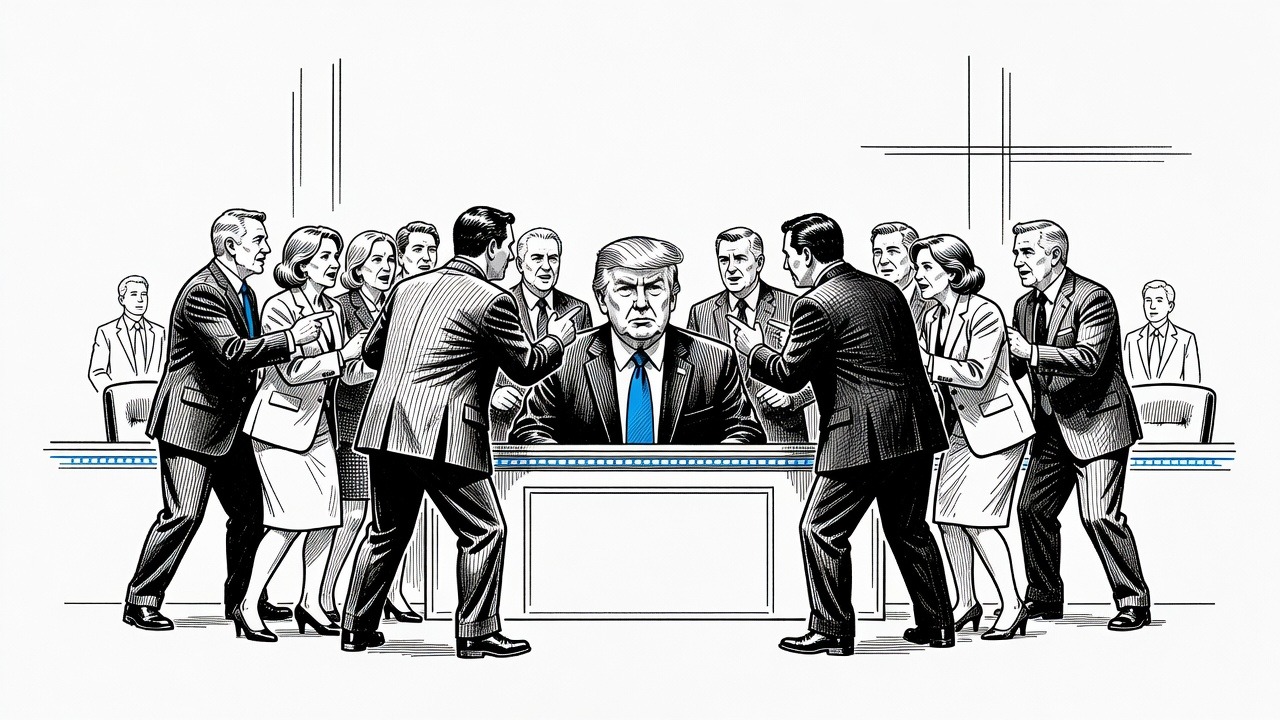
A 2% drop in the Nasdaq is not a crisis, and anyone who tells you otherwise is selling something. The real news is buried in the analysts' language: investors are nervous about the "returns" on enormous AI spending, about rising financing costs, and about "concentration risks." Translated from Wall Street: a handful of companies have bet the American economy on a technology whose profits remain mostly theoretical, and the rest of us are in the pot whether we agreed to it or not.
That is the point the market-chatter genre never makes. When Amazon, Alphabet and their peers pour capital into data centers and chips, they are not just risking shareholder money. Their stocks make up so much of the major indexes that anyone with a 401(k), a pension, or a target-date fund is exposed to the wager. Millions of workers who never chose to speculate on artificial intelligence now hold it as a core retirement asset. The upside of this boom has gone to founders, executives and large shareholders. If the downside arrives, it will land on a teacher in Ohio checking her balance at 58.
The costs also aren't only financial. The AI buildout runs on public goods: cheap land, tax abatements, strained electrical grids, water, and in Intel's case direct taxpayer support through the CHIPS Act. Communities near data centers are being asked to absorb higher power demand and the risk of higher utility bills so that a few firms can chase a payoff they can't yet show. Meanwhile, these same companies have trimmed white-collar payrolls and pointed to AI efficiency as justification. Workers are told to accept insecurity today in exchange for a productivity miracle that investors themselves now doubt.
So here is the question the Left should press: if this goes well, who gets rich, and if it goes badly, who gets the bill? We have run this movie before. In 2008 the gains were private and the losses were socialized, and the people who got bailed out were not the ones who lost their homes. Expect the same pitch next time, dressed in the language of national competitiveness and the race with China. Any company that treats AI as too strategic to fail should be told now that strategic importance comes with strings: public equity, labor protections, and accountability for energy and water use. Intel is the test case. If taxpayers underwrite a company, they are owed something more than a hopeful press release.
There is also a lesson here for my own side. Democrats have too often treated Big Tech's AI ambitions as either an inevitable force to be "managed" or a source of campaign-friendly investment announcements. A market that drops 4.7% in a month on doubts about this spending is a reminder that enthusiasm is not an industrial policy. If the public is going to be on the hook, the public should have a seat at the table, and not just in the audience.
Notice, finally, the genre's reflex. A famous TV investor says he won't sell his charitable trust's Intel shares, can't recommend buying more, and likes Amazon, Starbucks and FedEx. That is harmless entertainment. But the advice to "diversify beyond AI" is itself an indictment. It assumes ordinary savers can easily escape a market so top-heavy that avoiding it takes expertise most people lack. Individual diversification is the wrong answer to a systemic concentration problem.
This may be a routine October pullback. It may be the first hiss of air leaving something large. Either way, we shouldn't wait for the pop to ask who was allowed to inflate it, who profited, and who will be told to be patient.
How it may affect me
Many index funds and target-date funds in 401(k)s are heavily weighted toward a few large tech companies, including those tied to AI. Check your plan's holdings and fee disclosures to see how concentrated your retirement money is. Long-term savers shouldn't panic-sell over one rough month, but those near retirement should understand their exposure.