We don't yet know who fired or why. Police have recovered multiple firearms, at least one person is being questioned, and the investigation is open. Anyone claiming to know the motive tonight is guessing. But we already know the setting, and the setting is the story.
The Magic City Classic is one of the great gatherings of Black Alabama: two historically Black universities, marching bands, tailgates, alumni who come home once a year. It's a celebration of a community that built its own institutions when the state refused to build them for it. Nine people were shot on the way out. One is dead.
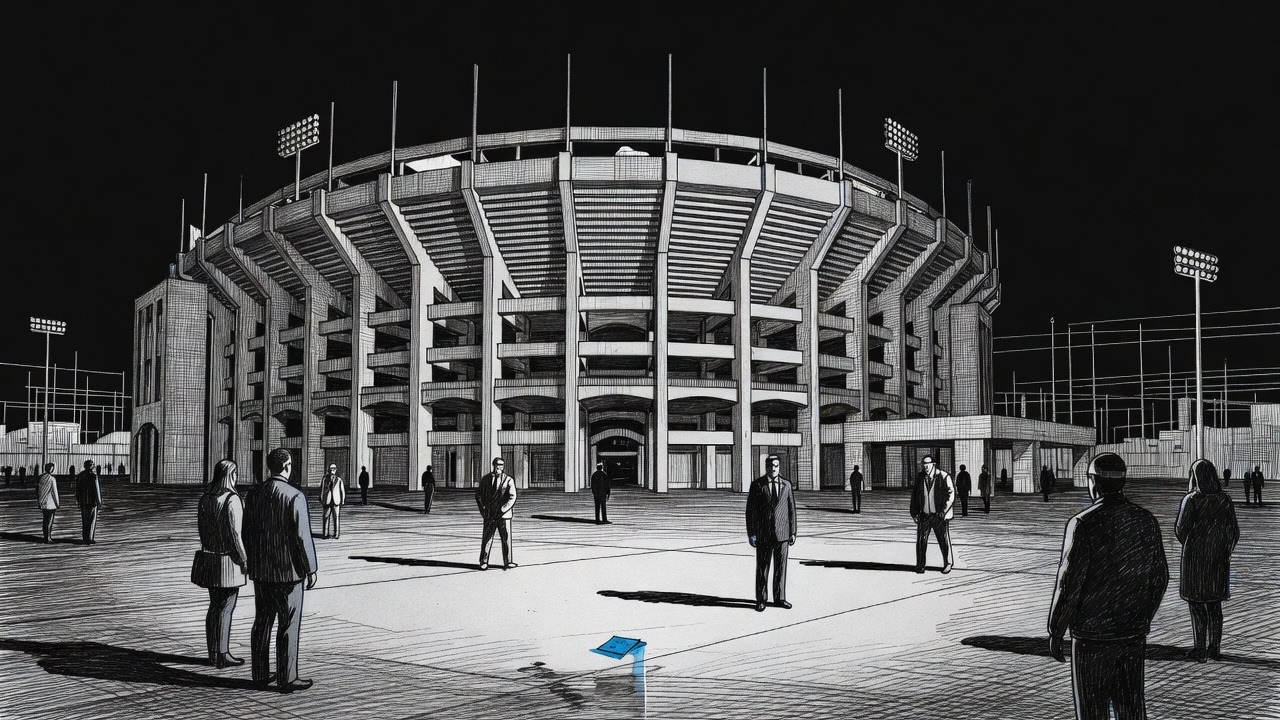
Police Chief Michael Pickett said the shooting happened mostly outside Legion Field property, after the game ended. That detail matters because it shows where the rules stop. Inside the stadium, there are security checks and prohibitions. Past the property line, on a street full of people leaving a game, Alabama's policy is essentially a shrug.
Since 2023, Alabama has allowed people to carry concealed handguns in public without a permit and without any training or background check at the point of carry. Sheriffs and police chiefs across the state opposed it. They are not gun-control activists. They asked the legislature not to remove one of the few tools they had for sorting the dangerous from the merely armed. Lawmakers did it anyway, because the politics of the gun lobby outweighed the testimony of the people who respond to the 911 calls.
Birmingham can't fix this on its own. Alabama preempts local governments from passing their own gun regulations. The city that has to bury the dead has no authority over the instrument that killed them, and the officials who do have that authority live hours away and will not be standing on Graymont Avenue next year.
The response is predictable. We'll hear about personal responsibility, about criminals who ignore laws, about the need for "good guys with guns." Take that last claim seriously for a moment, because this was its test. A crowd of tens of thousands in a state with some of the loosest carry laws in America, and the result was nine people hit by gunfire and multiple weapons recovered. If an armed public made crowds safer, this would be the evidence. Instead, the likeliest outcome of a dense crowd, a flash of anger and an abundance of guns is what happened: people wounded, bystanders caught in it, and nobody able to sort out who was who until the bodies were counted.
The "criminals ignore laws" line is also lazier than it sounds. Nearly every gun used in a crime was legal at some point in its life. Laws that make it harder to carry loaded weapons into public spaces, that give police grounds to stop someone before the shooting rather than after it, and that require safe storage so guns stop leaking out of cars and closets are not symbolic. They are the difference between a fight and a funeral.
Democrats shouldn't get off lightly either. Too often our response to scenes like this is a statement, a hashtag and a moment of silence, and then the legislative calendar moves on. Black communities are hit hardest by gun violence and are most often handed sympathy in place of power. Gun policy is treated as a suburban-voter issue to be managed, not a daily survival issue to be won. If we mean what we say about public safety, we should be fighting in state legislatures like Alabama's every year, not just after the headlines.
Someone's child went to a football game this weekend and didn't come home. Eight other families are in hospital waiting rooms. The state that made it easier to carry a gun than to rent a car will offer its thoughts and prayers. Birmingham deserves more than that, and so does every crowd that gathers there next fall.