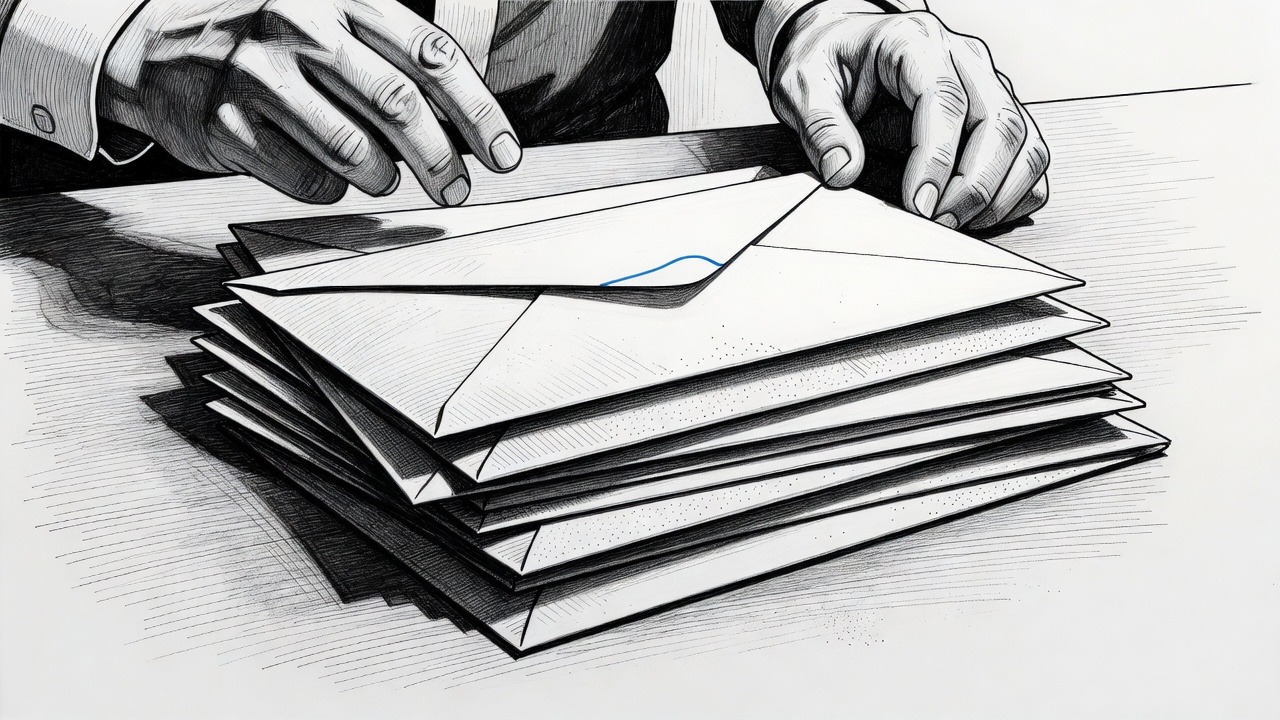
Pay attention to who was threatened here. Not a noncitizen caught voting. Not a fraudster with a ballot harvesting scheme. The target was the county election worker: the person who opens envelopes, checks signatures and counts what voters send in. The Justice Department told these people that if they processed ballots tied to about 20,000 voters whom Washington has decided to doubt, they might face criminal prosecution. Judge Trina Thompson was right to stop it, and a federal appeals court was right to refuse the DOJ's emergency bid to force California to segregate the ballots.
The administration says this is about election integrity. Take that seriously for a moment, because the best version of the argument isn't stupid. Noncitizen voting is illegal, and the federal government has a legitimate interest in enforcing the law. Setting ballots aside isn't throwing them out. Who objects to a little verification?
The answer is anyone who has watched these exercises before. Federal and state citizenship checks have a long record of flagging people who are citizens. Texas announced in 2019 that roughly 95,000 registered voters might be noncitizens, and the list collapsed once officials noticed that many of them had naturalized after getting their driver's licenses. Florida's 2012 purge went the same way. Naturalized citizens, who are disproportionately Latino and Asian American, are the ones caught when a database is stale. An accusation from an agency is not a finding of ineligibility. In a country with due process, you establish that a person is ineligible before you treat their vote as suspect, not after.
"Segregate" is also doing a lot of work as a bureaucratic word. A ballot set apart is a ballot that can be challenged, delayed, litigated or quietly left uncounted when the deadline passes. In a tight race, that is not a neutral administrative step. Anyone who has studied how elections get stolen at the margins knows that the fight is rarely over whether to throw out votes openly. It is over which votes get pushed into a category where they might not count.
Then there is the threat of prosecution, which is the real scandal. The federal government does not need to win a case against a county clerk. It only needs the clerk to believe it might. That is intimidation, which is why Thompson found the conduct likely to violate the Voting Rights Act's protections against it. A low-paid public employee who has to decide between following state law and risking a federal indictment will often choose the safe option. Weaponized ambiguity is how pressure works without ever needing a conviction.
This administration has also spent years telling Americans that elections are rigged unless they produce the right result, and has found no mass noncitizen voting to justify it. Actual cases of noncitizens voting are rare, and they are already prosecuted under existing law. The remedy for a real violation is an individual investigation, notice, and a chance to respond. What DOJ sought was an administrative shortcut that treats a large population as guilty until the paperwork says otherwise.
Nor does this ruling stop law enforcement. The order is temporary and narrow. It bars threats and demands to withhold ballots based solely on federal allegations. If the government has evidence against a specific person, the criminal process is still there. What it can't do is substitute suspicion for proof and then lean on local workers to carry it out.
Liberals should not be smug, though. A single district judge and a unions-and-civil-rights-groups lawsuit are a thin wall between a voter and a federal agency with enormous power and little restraint. The restraining order lasts until Nov. 16. The habit of mind behind the threat does not expire. Defending democracy means making the case, loudly and repeatedly, that the people who run elections should be protected from political coercion, and that a ballot should count unless someone proves it shouldn't.
How it may affect me
If you vote in California, your ballot should be processed normally under this order, which runs through Nov. 16 and could change after a Nov. 13 hearing. You can confirm your registration status at voterstatus.sos.ca.gov and track your mail ballot through your county elections office. If you are told your registration is in question, ask for the reason in writing and contact your county registrar promptly.