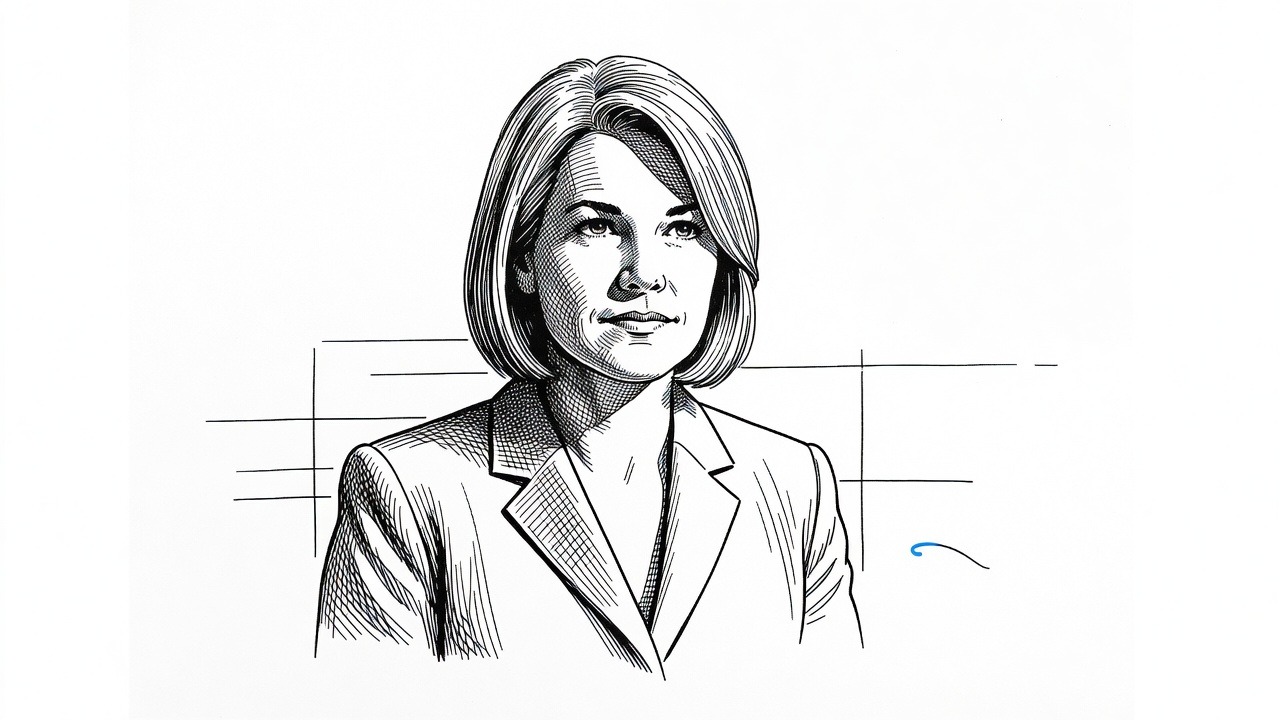
Lisa Murkowski has endorsed a Democrat for governor, and the reflex on the Left will be to cheer. Cheer a little. Then ask the question that matters: what is the endorsement for, and what does it cost her?
The answer to the second part is almost nothing. Murkowski is not on the ballot this year. Alaska's top-four primary and ranked-choice general election have made her the rare Republican who can survive without her party's primary electorate, and she knows it. In 2010 she won as a write-in after Republican primary voters tossed her aside. She owes the state GOP's machinery very little. An endorsement of Jonathan Kreiss-Tomkins is a safe expression of independence, and it is also a reminder that she has spent years being independent in the places where it is cheap.
Still, the endorsement tells us something true about Alaska, and it is worth hearing. The state is in a fiscal bind, and a governor's veto pen sits at the center of it. Alaska has spent years in a standoff over how to pay for government while protecting the Permanent Fund dividend, the annual check that has become a sacred cow. The result has been a cycle of thin budgets, fights over school funding and a political class that treats public services as a hostage to be bargained over. When Murkowski says Alaska needs "nonpartisan approaches" to its fiscal future, she is describing a real failure of the current order. A state that depends on oil revenue and federal dollars, and that is terrified of taxing anything, cannot cut its way to schools, roads and cheaper energy.
That is the Left's opening. Not "nonpartisan" as a mood, but the plain argument that Alaskans deserve a governor who treats public goods as investments rather than line items to be vetoed. Cheap energy for remote communities, functioning schools and a budget that doesn't swing with the price of crude are not partisan luxuries. In a state this size and this remote, they are the infrastructure of a livable place.
Here is where Democrats should be disciplined. "Works across the aisle" is the most overused phrase in American politics, and it can mean anything from sensible coalition-building to surrendering before the negotiation begins. Alaska has actually run on bipartisan legislative coalitions in recent years, and they have produced real, if fragile, results. But coalitions are only as good as what they deliver. If the endorsement becomes a substitute for a program, it will be wasted. Kreiss-Tomkins should say what he'd do about revenue, what he'd do about the dividend formula, and whether he would defend school funding when the pressure comes.
And Murkowski deserves the same scrutiny she is asking voters to apply to others. She votes with her party on far more than her reputation suggests, and she has helped deliver a Republican agenda that cuts Medicaid and the safety net on which many rural Alaskans depend. An endorsement in Juneau does not cancel votes in Washington. The Left should accept her support without handing her a halo.
The larger lesson is about system design. Alaska's open primary and ranked-choice voting are why a Republican senator can back a Democrat without committing political suicide, and why candidates have an incentive to speak to more than their base. Republicans in the state have tried to repeal that system, and it survived narrowly. That should tell Democrats everywhere which side of the structural fight is worth joining.
Take the endorsement. Use it. But make Kreiss-Tomkins win on what he'll build, not on who vouched for him.
How it may affect me
Alaska's governor controls the veto pen over the state budget, which shapes school funding, public services and the size of the annual Permanent Fund dividend. Alaskans who rely on any of those have a direct stake in who wins on Nov. 3.