The Justice Department's defense of Maurene Comey's firing came down to one sentence: the president can do it because he is the president. No misconduct. No performance problem. No process. Just Article II, offered like a magic word.
Judge Jesse Furman has now told the administration that the magic word doesn't work. He found the dismissal violated civil-service protections and ordered her reinstated with back pay. The ruling is narrow, and it should not be treated as a rout. But it defends a principle that conservatives used to claim as their own: government employees answer to law, not to the personal wishes of whoever holds power.
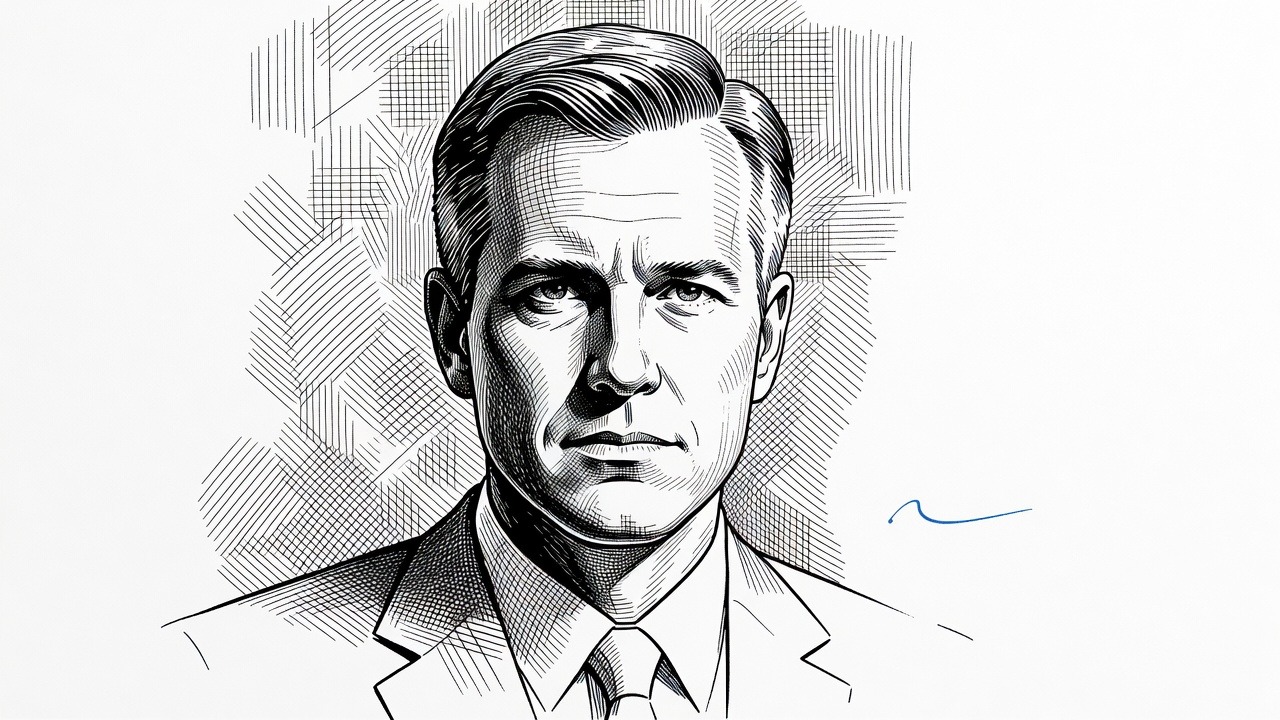
Consider who she is. Comey was a career prosecutor in the Southern District of New York, the office that handled the Epstein and Ghislaine Maxwell cases and the Sean Combs prosecution. She is also the daughter of James Comey, a man Donald Trump has publicly despised for years. The administration never offered a case-specific reason for firing her. It didn't have to, it argued, because the Constitution lets the president do whatever he likes. Draw your own conclusion about why the famous name was the one at the center of this.
The Article II theory proves far too much. If the attorney general can fire any line prosecutor at will, then every prosecutor works knowing that a charging decision, a grand jury presentation, or a case against a politically connected defendant can end her career. That is not a managerial flourish. It is how you build a justice system that quietly learns whom not to bother. Civil-service protections exist so that an assistant U.S. attorney can say no to a boss, or simply do the job, without checking the political weather first.
The Right has spent a decade denouncing a vindictive "deep state." Here was a test of that claim. A prosecutor was pushed out with no stated wrongdoing, and the administration's defense was that it never needed one. If the complaint was ever about accountability, this is not accountability. It is a loyalty test with a constitutional gloss.
Liberals should not get too comfortable, though. This ruling is a district-court order, and the Justice Department has already said it will appeal. The Supreme Court has shown a willingness to expand presidential removal power in recent cases, and an administration that has treated the civil service as an obstacle will take the case as high as it can. Comey has also already taken other employment, which limits the remedy. The court's order covers back pay only through Dec. 20, 2025. A legal victory that comes after the damage is done is better than nothing, but not by much.
The larger failure belongs to Washington, including Democrats. For years the protections that insulate career employees were treated as boring plumbing, defended by unions and good-government types while everyone else ignored them. Now a president and his allies have shown how much of the system depends on norms and on judges willing to enforce them. Congress could write those protections in plain, hard-to-evade language. It hasn't, and that omission invites exactly this fight.
A free society doesn't depend on every official being virtuous. It depends on officials being unable to punish people for inconvenient work or inconvenient surnames. Furman has said, for now, that the law still draws that line. The rest of us should insist it stays drawn.