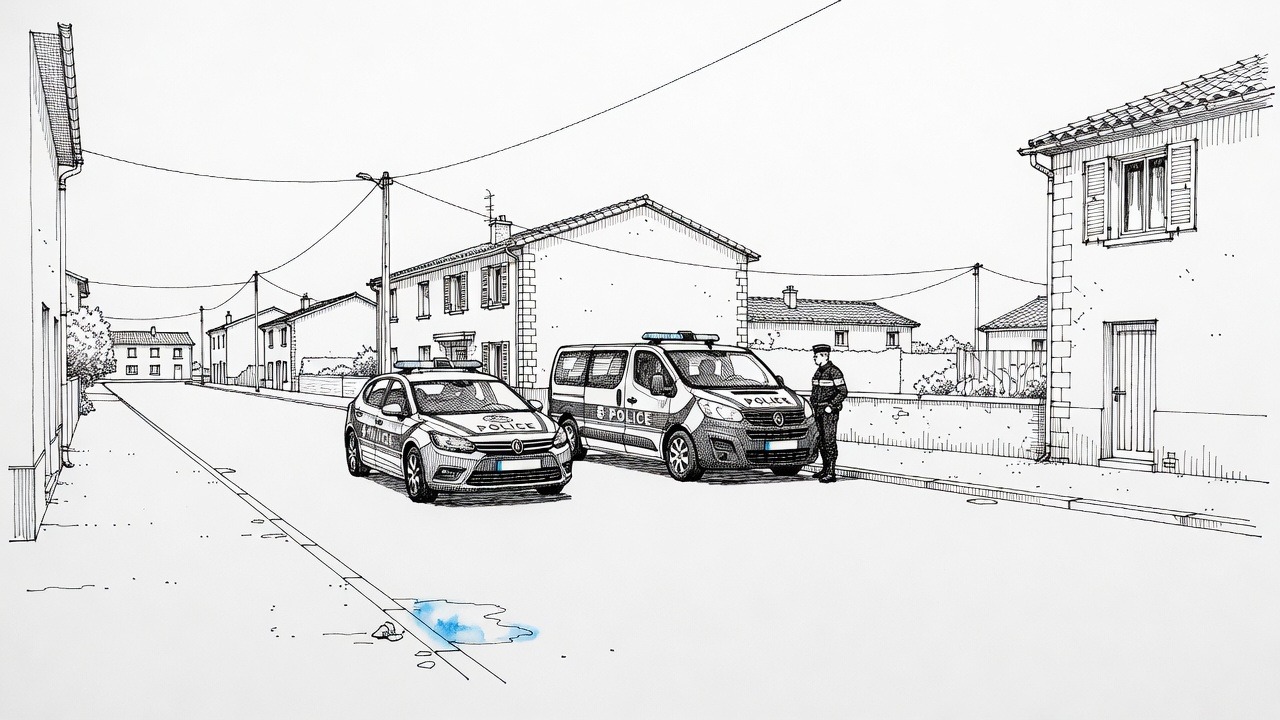
A gunman fires from a car in a working-class suburb west of Paris. One person is dead, a 12-year-old is among the wounded, and the interior minister says investigators are weighing a racist motive. The state has invoked its most serious legal category, murder tied to a terrorist enterprise. If the evidence bears that out, the Left should say plainly: good. That is what racist violence is.
But notice how unusual this is. For years, Muslim communities and anti-racist groups in France have argued that authorities are reluctant to apply the word "terrorism" when the killer is white, or when the victim is Arab, Black or Muslim. Killings of Muslims have set off that bitter argument before, over why some attacks go to the national anti-terror machinery and others are filed as ordinary crime. Muslims in France heard a message they know well: your fear is local, your dead are a criminal matter, and the word reserved for real national trauma belongs to others.
So the test is not what Laurent Nuñez said on day one. The test is whether the label survives the investigation and whether the victims are afforded the same national solemnity France offers when the attacker's identity fits the familiar script. We don't yet know the gunman's full motive or the victims' stories. We do know where the shooting happened. Trappes has been a rhetorical punching bag for two decades, routinely invoked by politicians and pundits as shorthand for "separatism," radicalization and failed integration. Its residents are constantly described as a threat to the Republic. This time, the Republic may have a threat to explain that was aimed at them.
Then there is the backdrop the government would prefer we not linger on. The shooting landed as France braced for more unrest over the cost of living, and the response to that unrest is 70,000 police, armored vehicles, helicopters and water cannons. Pause on that. People who cannot afford rent, fuel and groceries are met with the largest show of force the state can assemble. Meanwhile, a gunman apparently moved through public streets across three communes before being caught. I am not claiming the two events are causally linked, and the police who respond to a shooting are not the same units staging protest control. But the political logic is worth naming: this government has a great deal of money and manpower for managing anger, and far less appetite for addressing what produces it.
The danger now is predictable. A terror investigation in the Paris region, in the middle of social unrest, is a gift to anyone who wants to blur categories: protesters become "disorder," disorder becomes "insecurity," insecurity justifies more of the same. Ministers will talk about the shooting as proof that the state needs every tool it has. If it was racist terror, the lesson is more specific. It is that hatred in France is not confined to one ideology or one set of suspects, and that the communities most often accused of menace are also frequently its targets.
The Left should demand three things. First, a transparent investigation that follows the motive wherever it goes, without political steering. Second, consistency: the same classification standards, the same public attention and the same state seriousness for every victim. Third, a refusal to let a tragedy be used to criminalize people who are protesting because they cannot make ends meet.
A 12-year-old is in a hospital bed, and a family is burying someone. The first duty of a republic is to treat their loss as national, not as local color in somebody else's security story.