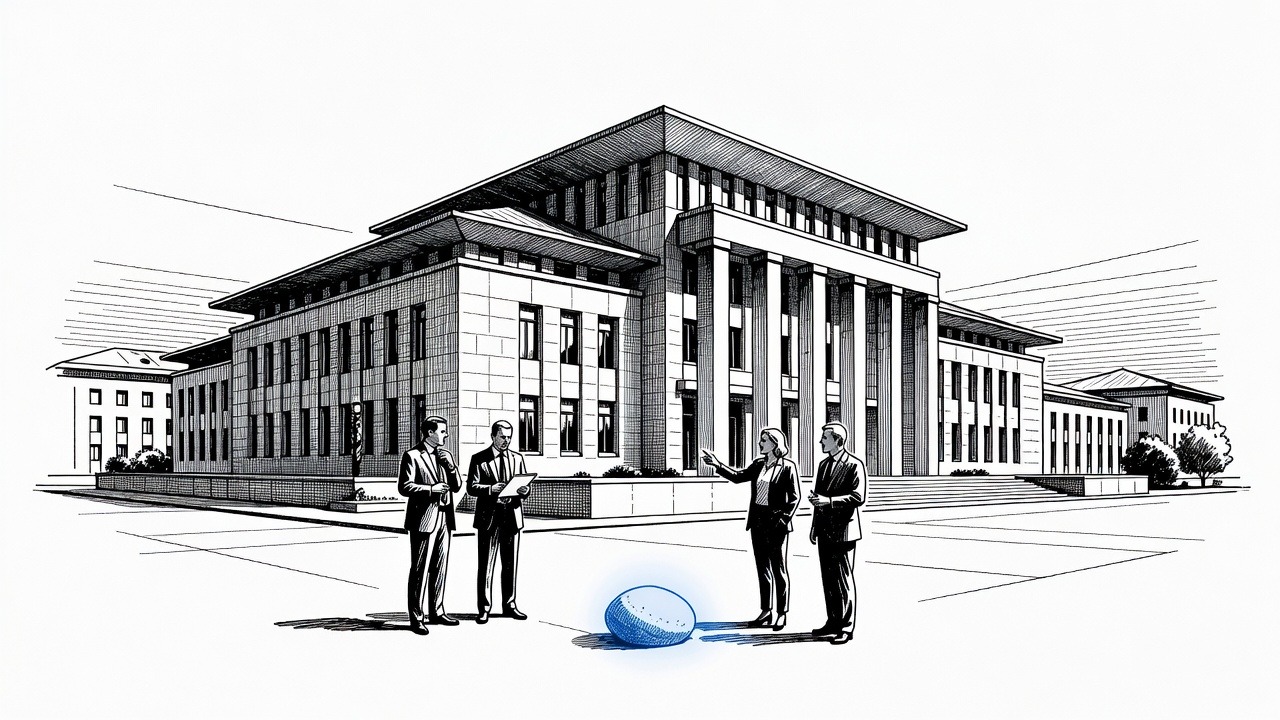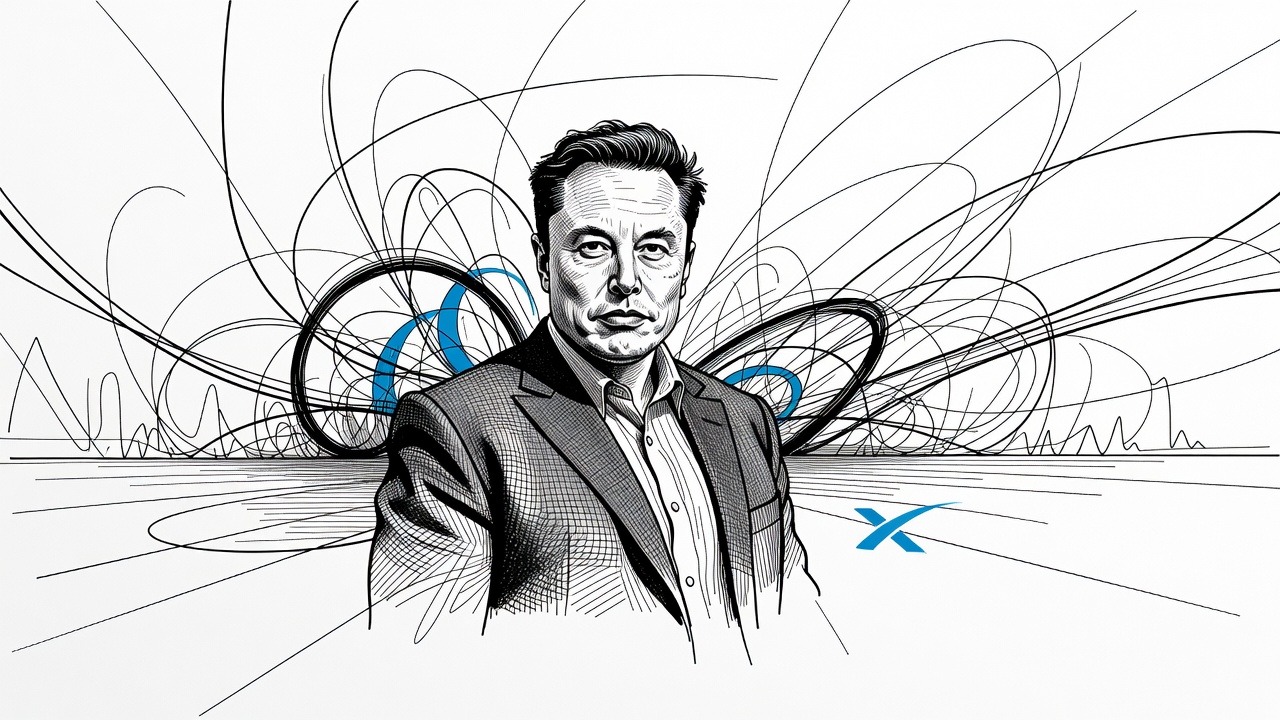
Here is the most revealing part of this story: nobody will say who made the decision.
Ukraine says high-speed Starlink access was throttled during Russian air strikes, hampering drones and air defense, with no warning. Elon Musk says Ukraine broke the terms of service by using the network for offensive lethal drone strikes, and that he closed a loophole. He has also said the U.S. government directed the move. Trump says he knew nothing about it. U.S. officials deny any role. Kyiv's adviser says the alleged strikes were technically impossible, since commercial Starlink doesn't work over Russian territory and Ukrainian drones had been speed-limited for months.
Every version of this is damning. If Musk acted alone, one billionaire adjusted the battlefield capabilities of a sovereign country at war. If Washington directed it, it did so by leaning on a contractor and then lying about it. If Musk is misdescribing the facts, he is using a government cover story to shield a unilateral business decision. Take your pick. In none of them did a democratic institution make a decision, explain it and answer for it.
This isn't new. In 2022, Ukrainian forces reportedly tried to use Starlink to strike the Russian fleet near Crimea, and Musk, by his own account, declined to enable coverage there. Walter Isaacson reported it, and Musk disputed parts of the telling. Either way, the lesson was plain: a private man had learned he could decide how close Ukraine was allowed to get to a military objective. Nearly four years later, the arrangement is still ad hoc, opaque and revocable by text message.
The usual defense is that it's his company, his satellites and his terms of service. That is exactly the problem. A terms-of-service agreement is a consumer contract. It is not a war doctrine. Whether a weapon is "offensive" or "defensive" is a political judgment with consequences for escalation, alliance politics and thousands of lives. Pretending it is a compliance issue is not neutrality. It is a choice to hand foreign policy to whoever owns the hardware, and to let him call it customer service.
The man holding that power has also shown his sympathies. Musk has spent years floating peace proposals that read like Moscow's wish list, while his government contracts, Starshield among them, have made him more entangled with the Pentagon than almost any private citizen in America. He is a vendor, a lobbyist, a political donor and an amateur diplomat at once. Nobody elected him to any of those roles, and no one can fire him from them.
The Left should say this loudly, including to our own side. Democrats were comfortable in 2022 when Musk's network helped Ukraine, and they were content to treat a single company's goodwill as a pillar of American strategy. Infrastructure that governments depend on for security is a public good. We don't let a private firm decide whether the Navy may enter a harbor. We shouldn't let one decide whether Ukrainian air defenses can talk to each other during a missile raid.
The remedy is dull but necessary. Europe and the United States should stop treating this as a favor from a genius and start building accountable alternatives: public or publicly governed satellite capacity, contracts that specify what can and cannot be restricted, and legal duties of notice for any change affecting military operations. The EU's own constellation efforts and existing alternatives like OneWeb are the beginning of an answer, not a luxury.
Ukraine got its bandwidth back this time. That is not a resolution. It is a reprieve granted by a man who has shown he can withdraw it, and who can blame someone else when he does. A democracy that cannot say who made that call has already lost control of the call.