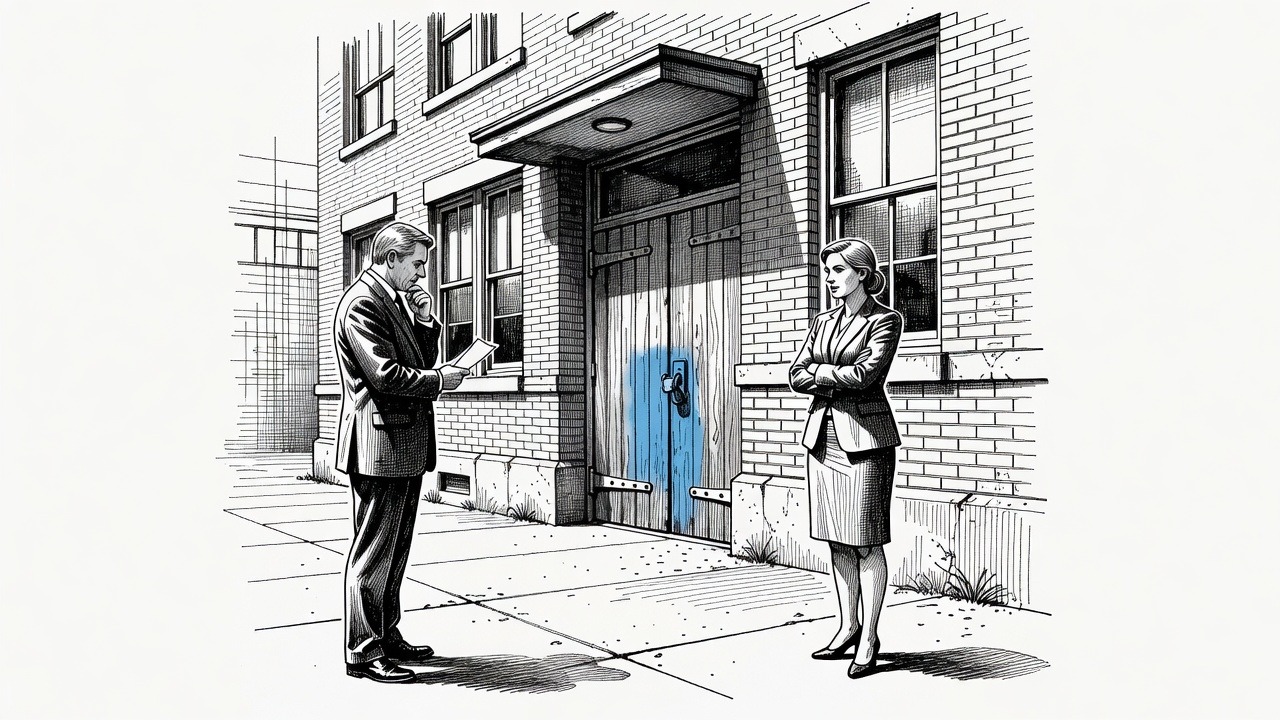
Count what the superintendent listed: cameras, door locks, fencing, lockdown drills twice a year. By the district's own account, Silver Rail Elementary did what American schools are told to do. Then a 16-year-old fired through the locked doors, walked in, and killed three children and a teacher. One of those children was five years old.
That is the fact the "harden the schools" crowd has to explain. The locks worked as designed. A lock is built to stop a person, and a shotgun is not stopped by one. Every school board in the country is now being asked to turn kindergartens into checkpoints while the thing that actually breaches the door goes unexamined. We drill five-year-olds to hide silently in closets, and we have decided that this is normal and that asking where the gun came from is extremism.
So credit Rhoam Summer's parents, who have hired lawyers to look at two questions: what the school's protocols were, and how the gun was obtained. A law enforcement official says the shotgun was bought by the gunman's mother. That is not yet a finding of wrongdoing, and the facts deserve to be established before anyone is condemned. But it is exactly the kind of fact that should drive public policy and almost never does. A teenager who, by the district's own description, was no longer even enrolled had a long gun that an adult had acquired. Who bought it, who locked it up, who had the key, and whether anyone saw warning signs are not side questions. They are the whole chain of events.
The parents are doing this through litigation because it is the only accountability left to them. Legislatures have spent decades telling grieving families that the moment is too raw for policy and that the real problem is always something else. Lawsuits are slow, adversarial and cruel to the plaintiffs, but they force someone to answer under oath. If safe-storage rules, purchase requirements or school protocols were ignored or inadequate, the public should know it. If everything was followed and a child still died, the public should know that too, because it would mean the rules themselves are the problem.
Expect the other conversation to start soon. The gunman was a former special-needs student, and the temptation will be to treat that detail as an explanation. Motive has not been established, and investigators are still going through his devices and online activity. The Left should resist two failures here. One is letting disability become a stand-in for dangerousness. Children who need special education are not a threat category, and the evidence generally shows people with mental health conditions are more likely to be victims of violence than perpetrators. The other is the Right's habit of invoking mental health only after a massacre, from the same politicians who oppose the funding that would provide real services before one. If we are going to talk about what a troubled teenager needed, let's talk about the staff, the services and the follow-through that a district actually has to pay for.
Superintendent Steven Cook says the district will review its response and consider more protections. Fine. But "more protections" has a ceiling, and we are approaching it: higher fences, thicker doors, more drills, more fear built into the architecture of childhood. Each addition is a confession that we have given up on keeping the weapon away from the child and settled for slowing the child down.
The country that insists on its right to keep guns in the home has an obligation that comes with it: to make sure they are not simply available to a 16-year-old. Gun ownership is a choice with consequences for other people's kindergarteners. When those consequences arrive, the owner, the seller and the system around them should be asked what they did. This family is asking, and everyone else should be asking with them.