A capital does not send a landmark tower home for atmosphere. Management at Riyadh’s Kingdom Centre told office staff to work remotely until further notice after Saudi authorities issued a threat alert. The coalition was intercepting drones over the Riyadh area and the Eastern Province, and ballistic missiles in the south. In Najran, civil defense said a projectile hit a residential neighborhood: six people injured, homes and vehicles damaged. Somewhere between a technical malfunction and a Houthi boast, an AH-6i went down near the Yemen border and two crew members are dead. In Shabwa, an attack on the al-Alam camp killed at least twenty soldiers.
That is the week Tehran chose to remind everyone its proposal is still available.
Abbas Araghchi’s offer is a seven-day ceasefire, the removal of U.S. sanctions, the lifting of naval blockades, and the reopening of the Strait of Hormuz. Sergey Lavrov flew into Tehran to discuss the regional conflict. Put the two facts together and the diplomacy writes itself: a pause measured in days, concessions measured in years, and Moscow in the room to nod.
Call it what it is. A protection racket with a foreign-ministry letterhead.
The strongest reply is not silly, and it should be met. Yemen has consumed a decade. Airstrikes did not dissolve the Houthis. Saudi Arabia has spent long stretches looking for a way out as well as a way through. A war that spreads through Hormuz would hammer oil importers, including allies who did not vote for this, and it might still end without a flag over Sanaa or a chastened regime in Tehran. The Right does not need another sermon about invading the Middle East to feel serious. Two dead crew and a crashed helicopter are not a casus belli for a fantasy campaign. Strength is not the same thing as appetite.
But the diplomatic reflex fails the same test it has failed before. Every time Iran has been offered relief in exchange for a calendar promise, the proxy network got richer and the next demand arrived on schedule. The 2015 nuclear deal was marketed as the thing that would cool the Gulf. It did not retire the missiles. It did not retire the cutouts. It bought a compliance window and a better-funded region. A seven-day ceasefire is not even a window. It is a long weekend. The drones over Riyadh do not get unbuilt. The supply line does not get named. The money, if Washington is foolish enough to move it, does not come back when the eighth day looks like the first.
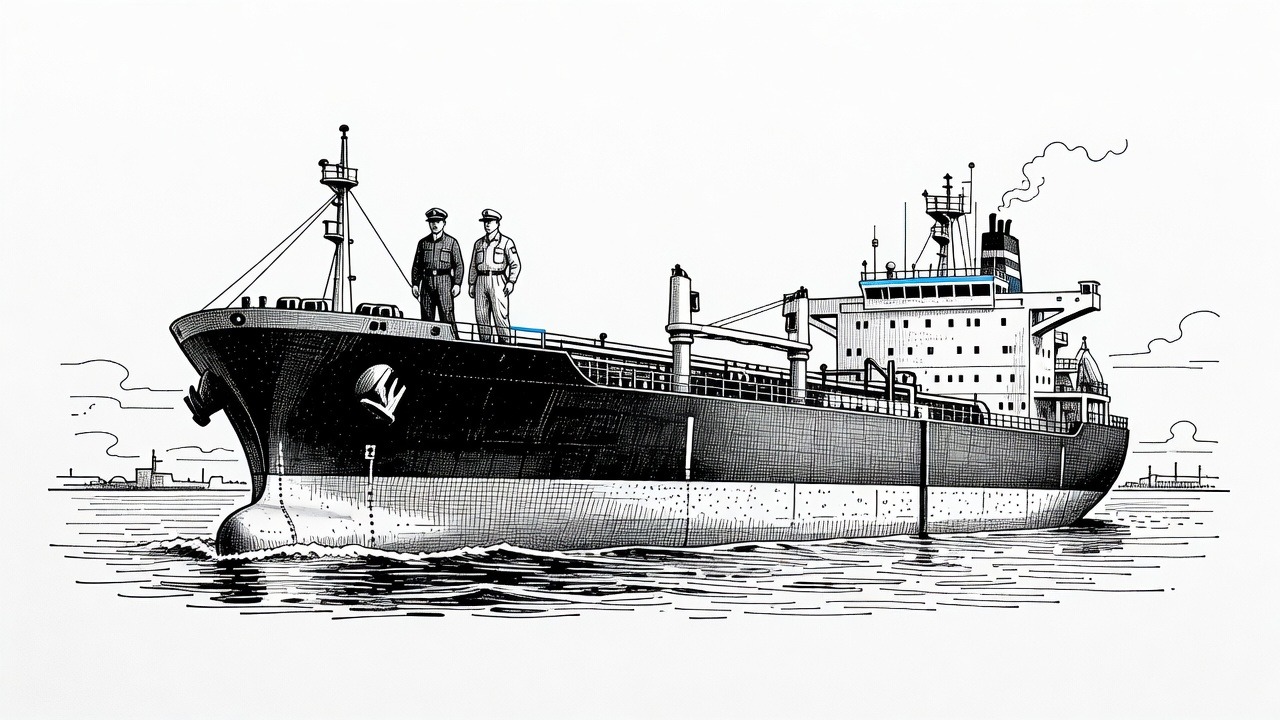
What a serious policy refuses is the trade itself. Intercept what is inbound — that part, at least, the coalition managed. Do not pay the supplier for a press release. Hormuz is a global choke point, not an Iranian asset to be leased back to its victims. If the price of a quiet week is sanctions relief, the quiet is counterfeit and the week is the cheap part.
Deterrence is unglamorous. It looks like a boring sky over a city that did not have to send its offices home. Appeasement looks like a communiqué, a Russian visitor, and a tower full of empty desks while Najran sweeps glass out of the street. Anyone still unsure which one they are being sold should read Araghchi’s offer again, slowly, and notice which side is asked to pay.
How it may affect me
For anyone who buys gasoline, holds energy stocks, or depends on Gulf shipping, the policy choice is not abstract. A sanctions-for-ceasefire deal can ease oil headlines for days and leave Iran holding Hormuz as leverage, so the next barrage reprices the market after the concession is already spent. Pressure without a bought pause keeps prices jumpy until the attacks actually stop — the only calm worth planning a household or a business around.