Brent at $110 is not just a market number. It is a bill, and it is about to be handed to people who had nothing to do with whatever is being settled in the Red Sea, the Gulf, and the skies over Riyadh.
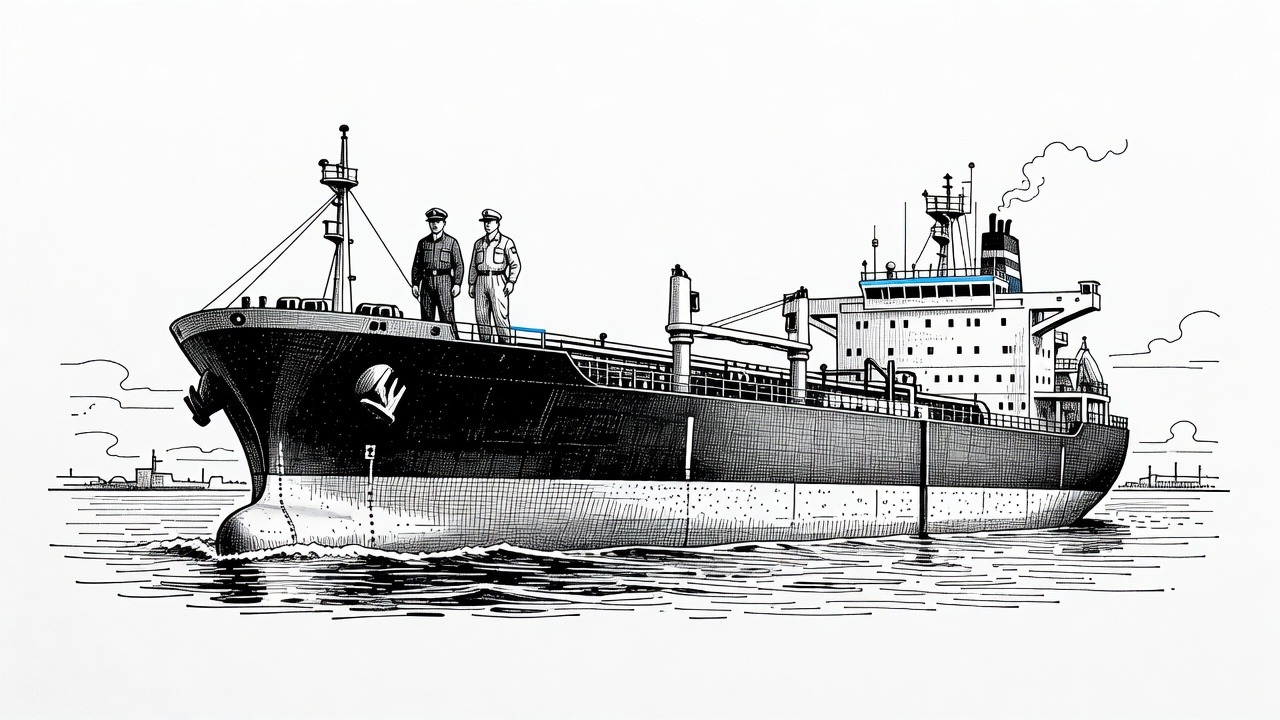
The story lays out the damage: Houthi missiles aimed at the Yanbu export terminal, an Aramco building hit in Dhahran, a container ship sunk in the Strait of Hormuz, three seafarers injured and two missing. Notice who is in that list. The crew of a Singapore-flagged ship, the people who work in and fly through an airport, and the drivers and shoppers who will pay for all of it at the pump and the checkout. The people who decide whether this escalates are not among the casualties.
The casualty figures from Riyadh deserve a skeptical eye too. Saudi officials say 12 dead. The Saudi-led coalition says 17 dead and 333 injured. Neither is independent. Both come from parties with a stake in the story. Keep that in mind whenever a government tells you what the war costs.
The larger lesson is one Americans keep refusing to absorb. We are told, every election cycle, that producing more oil at home buys safety. America is the world's largest oil producer, yet WTI is at $101, because oil is priced globally, and a drone over Yanbu reaches a gas station in Ohio within hours. Domestic drilling does not insulate households from the price. It just means American producers collect the windfall while American drivers pay the premium. "Energy independence" is a slogan that survives only until the next spike.
This is the oldest fraud in energy politics: one party says drill, the other says drill a little less loudly, and neither builds the thing that actually breaks the link. A household with a heat pump, an electric car, and a grid fed by wind and solar does not care what a Houthi missile hits. That is the only version of energy security that is real. Democrats should be embarrassed that after decades of warnings, they still too often answer a price shock with a plea to OPEC and a release from the Strategic Petroleum Reserve. The SPR is a bandage. The wound is dependence.
Then there is the Saudi relationship itself. Washington has spent years arming, refueling, and diplomatically shielding a Saudi-led campaign in Yemen that the UN estimated had killed hundreds of thousands through fighting, hunger, and disease. That was sold as a way to keep the oil flowing and the region stable. Look at the result: the Houthis now strike Saudi infrastructure, and the oil is neither flowing freely nor cheaply. A policy that trades moral credibility for supposed stability, and delivers neither, has failed on its own terms.
None of this excuses the attacks. Sinking a commercial vessel and leaving two sailors missing is not a legitimate act of anything. The U.S. Central Command attributes it to Iran, and that claim should be tested, but if true it is a grave escalation against civilian workers. A serious Left does not excuse it. It asks what comes next and who pays.
We already know the answer. When prices surge, oil majors and petrostates post enormous revenues, and the political class discusses "resilience." Meanwhile, truckers, delivery workers, farmers, and anyone with a long commute absorb the shock. If this lasts, the response should not be another round of lectures about market forces. It should be a windfall profits tax with the proceeds returned to households, no sweetheart arms deals for Gulf monarchies without strict conditions, and an emergency build-out of clean power and transit that treats every price spike as a deadline.
We have been given this warning before. At $110 a barrel, it is hard to claim we did not hear it.
How it may affect me
Expect higher costs at the pump and in shipping. A rough rule: each $1 move in crude adds about 2 to 3 cents per gallon of gasoline, though retail prices lag. Diesel increases flow through to groceries and delivery fees. If you can, consolidate trips and compare prices. If you are considering a car, heat pump, or home efficiency upgrade, check current federal and state incentives before they change.