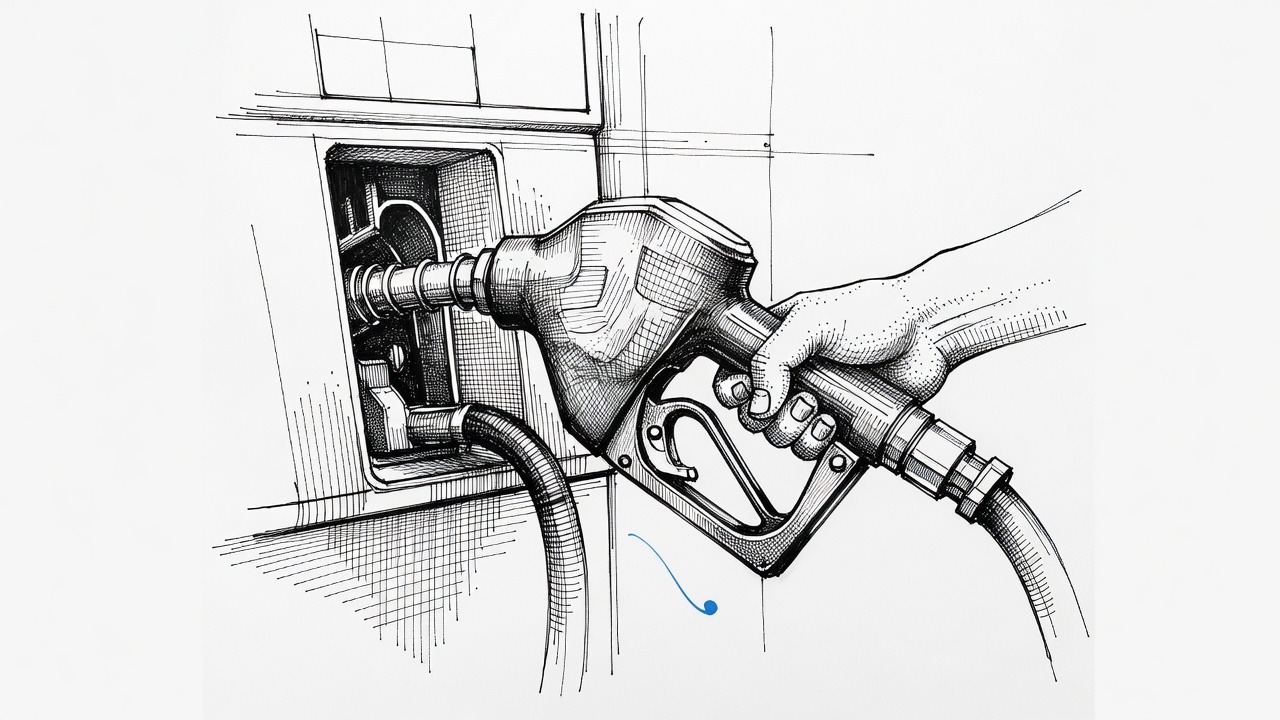
When a vice president says federal agents who commit misconduct should be investigated and prosecuted, but can't name a single case, he isn't describing accountability. He's describing a hope.
JD Vance told a Michigan town hall that the administration investigates allegations, retrains officers and disciplines them internally. Asked for specifics, he said such matters aren't always public while processes continue. That is the whole problem. Accountability that can't be seen, tested or verified by anyone outside the agency is just the agency's word that it is policing itself. We are asked to take that word from an administration that has spent its tenure fighting oversight, from masks to transparency to the idea that local officials have any business asking questions.
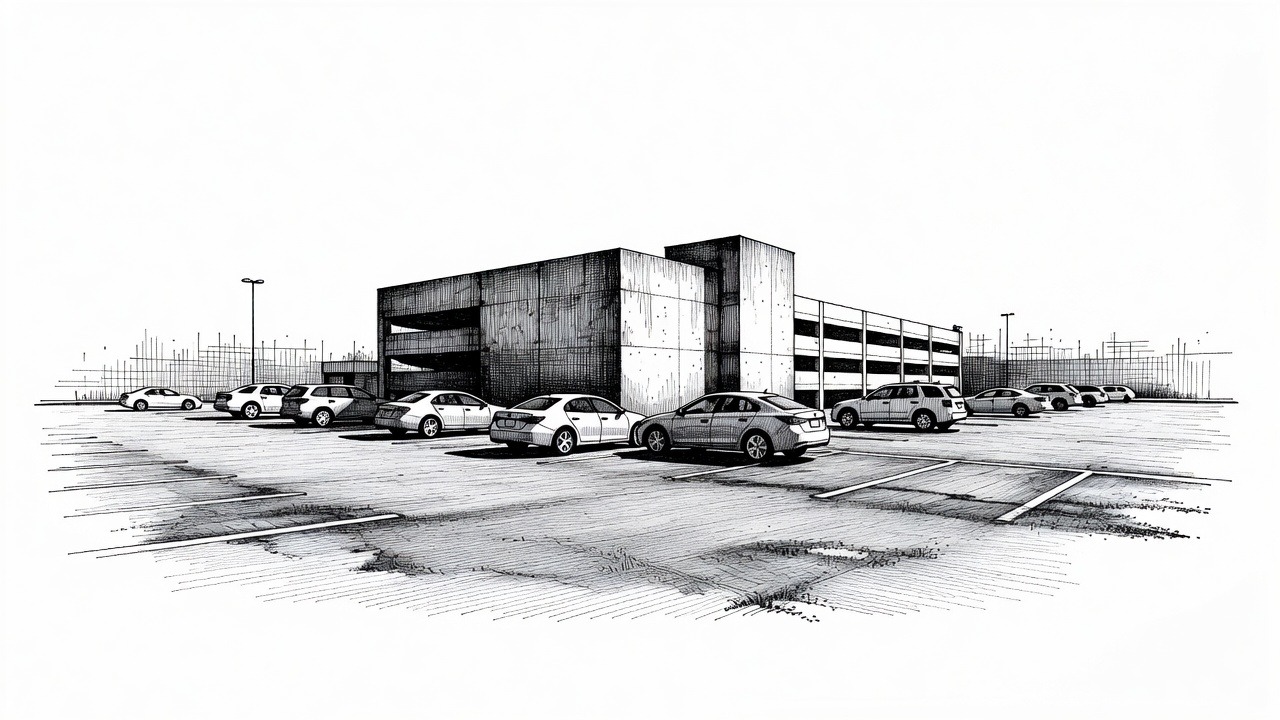
So consider what New Yorkers are doing. After Oscar Belgal was shot during an attempted arrest, with a child in the vehicle, Mayor Zohran Mamdani, Chuck Schumer, Hakeem Jeffries and local lawmakers did not demand the impossible. They wrote to private owners of parking lots and garages and asked them not to host federal immigration operations. Federal officials say the officers fired because Belgal struck two government vehicles and drove at them. That account deserves to be tested by an independent investigation, not accepted as gospel because it came from the shooter's employer, and not dismissed either. A neutral process would settle it. The administration's resistance to neutral processes is what makes the letter necessary.
The letter is also a conservative idea, whatever its authors would say. Property owners decide who uses their land. Washington has insisted for years that businesses should be free to refuse service, set their own terms and keep government out of their affairs. Now a garage owner who doesn't want armed agents staging arrests in his lot, with all the liability, customer fear and neighborhood tension that follows, is told by DHS that his choice is irrelevant. Actually, DHS says it's irrelevant because agents will carry out deportations anyway. If so, nothing is lost by honoring the request. If the arrangements truly don't matter, the administration shouldn't mind. If they do matter, then the owners have more power than Washington wants to admit.
Now the part my own side shouldn't dodge. A letter is a request. It is not a law, not a subpoena, not a budget fight. Democrats' leaders hold real levers, and they use them rarely. They could demand body-camera requirements and identification rules as the price of funding. They could press for independent investigations of shootings, with state and local prosecutors ready to act when the facts warrant it. A moral appeal to parking-lot operators, many of whom are small businesses with no wish to be targets of federal retaliation, is a thin substitute for that. Asking the least powerful people in the chain to carry the weight of a political fight is a strange way to challenge a powerful agency.
Still, the instinct is right. When official channels offer promises instead of proof, citizens look for the pressure points they have. That is how democratic accountability works when institutions fail to supply it.
Vance is right about one thing: most people doing this work are not villains, and a system that treats every agent as a suspect will fail. But the way to protect good officers is not secrecy. It is public findings, named cases and consequences when someone crosses the line. A child was in that car. The country is entitled to know what happened and who answers for it, not to be told that someone, somewhere, is looking into it.
How it may affect me
The New York letter is a request, not a legal requirement. Private lot and garage owners can choose whether to allow federal agents to stage there, so policies may vary by location. It does not change how federal immigration enforcement is authorized.