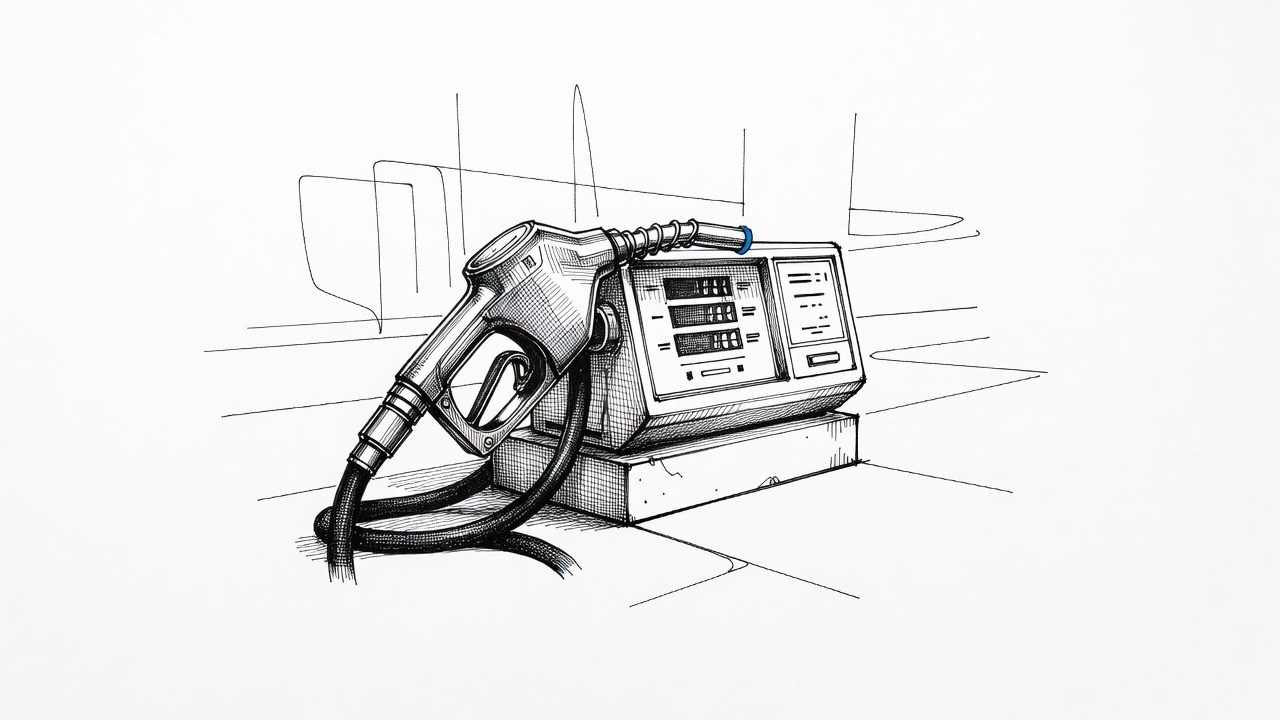
Read the number that made the headline, then read the one that didn't. Inflation is 3.7%. Core inflation, which strips out food and energy, is 2.6%. Gasoline rose 9.1% in a single month, is up 34% on the year, and accounted for more than half of September's increase. This is not an economy overheating. It is a pump-price shock, and the Federal Reserve is preparing to answer it with the one tool that cannot produce a single barrel of oil.
Rate hikes work by making credit expensive enough that businesses stop hiring and households stop spending. That is a sensible response when demand is running too hot. Applying it to a fuel spike means asking a warehouse worker to lose overtime, or a young couple to give up on a mortgage, so that gasoline gets cheaper by some indirect, delayed and uncertain route. The Fed already raised rates in September. Economists now expect more. Nobody should pretend the pain will be distributed fairly.
Start with who pays for the shock itself. A 34% rise in gasoline is a regressive tax collected at the pump. The commuter with a 45-minute drive and no transit option pays it, as does the home health aide, the rural family, and the contractor filling a truck. At $6.30 for diesel, it also reaches everyone else, because the groceries, packages and building materials all arrive by truck. Wealthier households feel it as an annoyance. Everyone else feels it in the monthly budget.
Then add the second tax: the Fed's. Higher rates hit credit card balances, car loans and variable-rate debt, again falling hardest on people with the least cushion. Workers get squeezed once by prices and again by a policy meant to fix prices. Meanwhile, no one is proposing to make the companies pocketing the higher oil price contribute to the cure.
The serious objection deserves an answer. The Right will say the Fed's credibility was damaged by the 2021 insistence that inflation was transitory, and that letting energy costs seep into wages and expectations is how a bad month becomes a bad decade. That is a real risk, and Democrats who wave it away will pay for it, because voters remember the grocery receipts better than the economists remember their forecasts.
But this is not 2021. Core inflation at 2.6% is a little over half a point from the target, not a runaway. A tightening campaign should be justified by evidence of broad, self-sustaining price pressure, and today's data show an energy spike with a modest echo. The Fed can watch core measures, wages and expectations for signs of spread without pre-emptively wrecking job prospects on the theory that it might.
The Left's job is to say what government should do instead of shrugging at the pump. Offer targeted relief to the households and truckers most exposed, financed in part by taxing windfall energy profits. Defend the labor market against a Fed that mistakes a supply shock for a spending binge. And finally take seriously what this episode shows: a country built around gasoline lets a single volatile commodity set the terms of family life. Every EV charger, bus line and rail route is also insurance against the next spike. That is not an abstract climate pledge. It is a case for lower household risk.
Democrats cannot answer a $4.33 gallon with a lecture on structural forces. They need a plan that protects people from the shock, and from the cure.
How it may affect me
Expect borrowing to stay expensive if more rate hikes follow: credit card APRs, auto loans and mortgage rates all move with Fed policy. Gasoline near $4.33 and diesel near $6.30 also feed into delivery-dependent prices, so grocery and shipping costs may rise even though core inflation is lower. Households with variable-rate debt are most exposed.