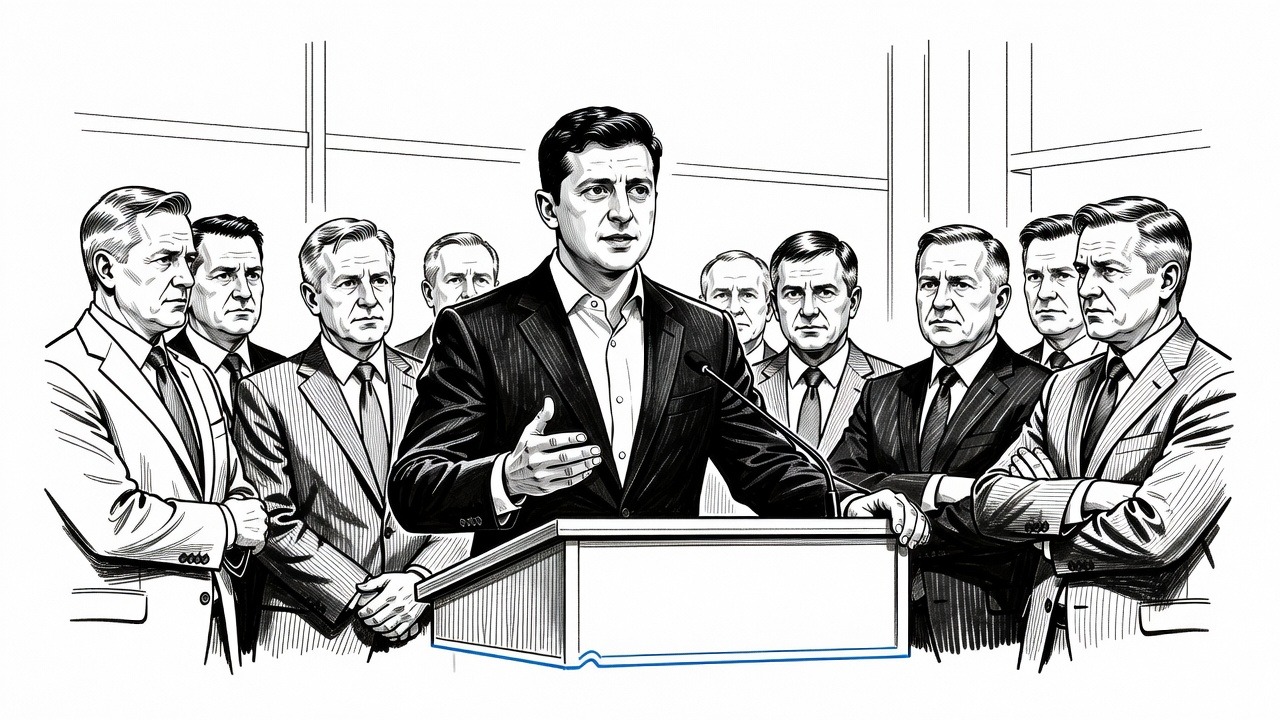
Give a state 48 hours to vet 20,000 names. Withhold the evidence and the methodology. Then threaten its election workers with prison if they get it wrong. That is not election integrity. It is a pressure campaign with a legal caption.
The Justice Department's case rests on one phrase: "high confidence." Confidence is not evidence, and this administration has not earned the benefit of the doubt on voter-roll lists. In 2019, Texas announced that 95,000 registrants were possible noncitizens. Within days, county officials found that thousands of them were naturalized citizens who had done everything right. The state settled a lawsuit and walked the claim back. Florida's 2012 purge began with a list of roughly 180,000 names. It shrank to a few thousand and ended with a few dozen removals. The pattern is consistent: a government matches databases that were never built to answer this question, announces a scary number, and leaves ordinary citizens to prove they exist.
That is the real danger here. A noncitizen who illegally votes is a rare, prosecutable event. Georgia's own audit last year, run by a Republican secretary of state eager to find something, turned up 20 noncitizens on the rolls out of more than 8 million registrants. Meanwhile, a naturalized citizen in Los Angeles who is wrongly flagged is not a statistic. She is a person whose mail ballot is set aside, who may never be told, and whose vote disappears in a dispute she cannot see. The department wants a court to block those ballots "unless eligibility is confirmed." Presumed guilt, then, with the burden on the voter.
Secretary of State Shirley Weber is right to refuse to be hurried. Her office is being asked to review a password-protected drive of names in two days, with no account of how they were chosen. Any competent election official knows what that means. A citizenship flag built on old immigration records will sweep in people who naturalized after the record was created. No responsible clerk can separate ballots from that list in 48 hours without disenfranchising lawful voters. Demanding it anyway is not a good-faith request for cooperation. It is a setup for a fight.
Then comes the criminal threat. Warning county election staff that counting ballots could lead to prosecution is aimed at line workers, the people who actually open the envelopes. The message is that they should reject ballots first and ask questions never. If Justice truly wanted to catch noncitizen voting, it would hand over its evidence, let the state verify it, and prosecute anyone who actually broke the law. It has chosen headlines, deadlines and menace.
There is a serious argument on the other side. Registration errors happen. California itself had a DMV glitch years ago that wrongly registered some noncitizens, and states should keep their rolls accurate. Fine. Accuracy comes from transparent matching, notice to voters, and a chance to cure, with ordinary due process. The federal government has also had decades to build that process. It did not, and now it demands that a state do in two days what the federal government itself cannot show it did carefully.
Democrats should not treat this as a California problem. Every state that holds a close election is a target for the same playbook: flag a few thousand people, claim the state is covering up fraud, and make the aftermath the story. The goal doesn't have to be fewer noncitizen votes, because there are almost none. It can be doubt, which this administration can convert into pretext whenever the numbers disappoint it.
California should hold the line, demand the evidence in court, and make Justice explain every name. The point of an election is that voters choose the government, not that the government chooses its voters.
How it may affect me
If you're a naturalized citizen registered to vote in California, check your registration status at the Secretary of State's voter portal and track your mail ballot through your county's ballot-tracking tool. If you get a notice questioning your eligibility, respond promptly and keep your naturalization certificate or passport number handy.