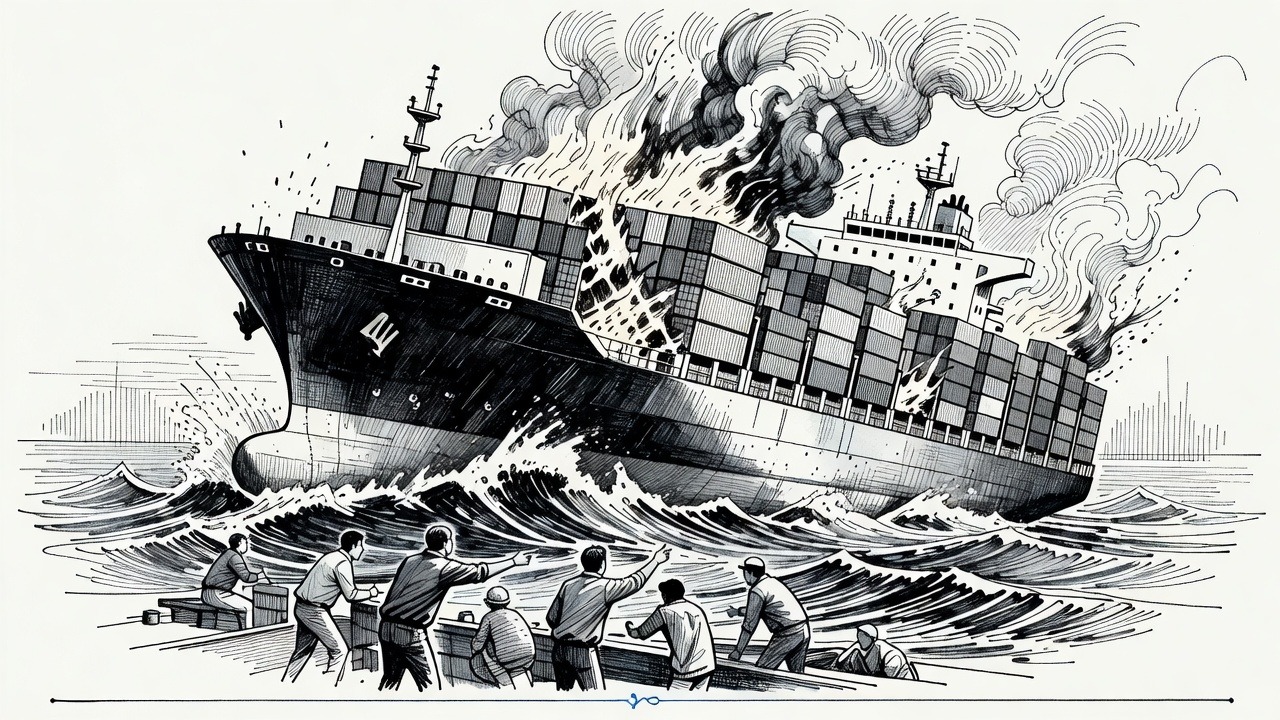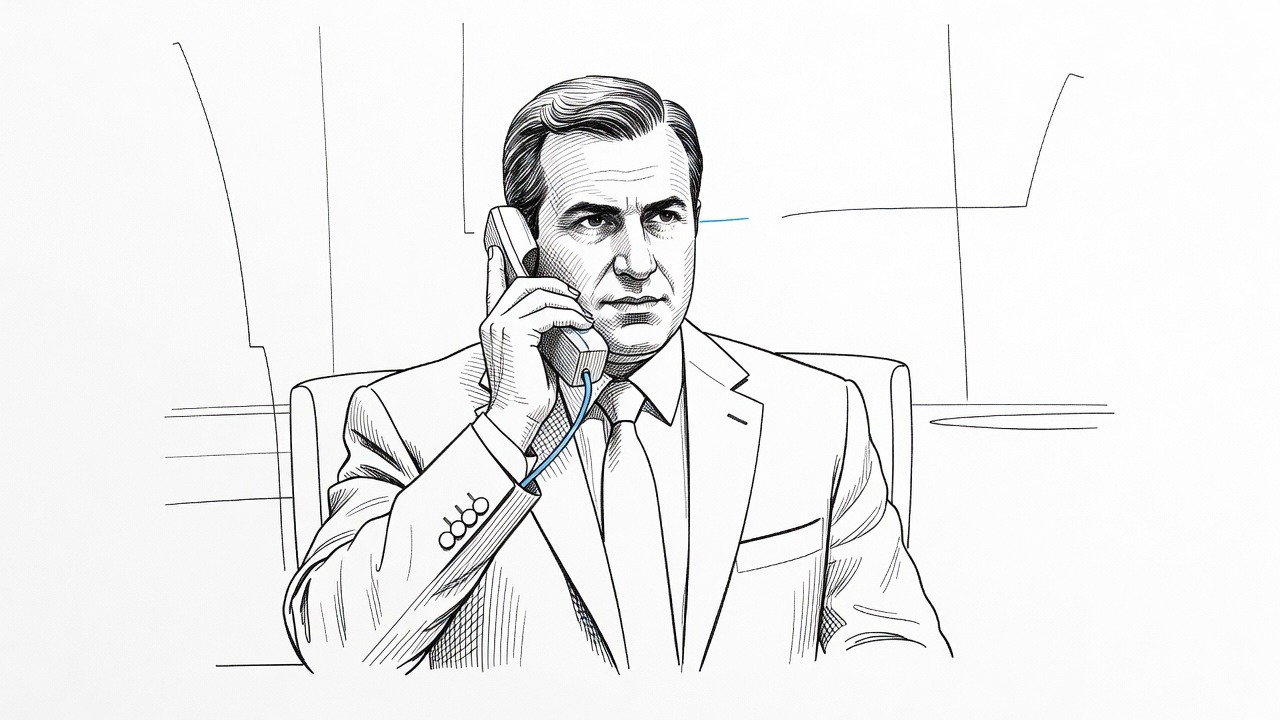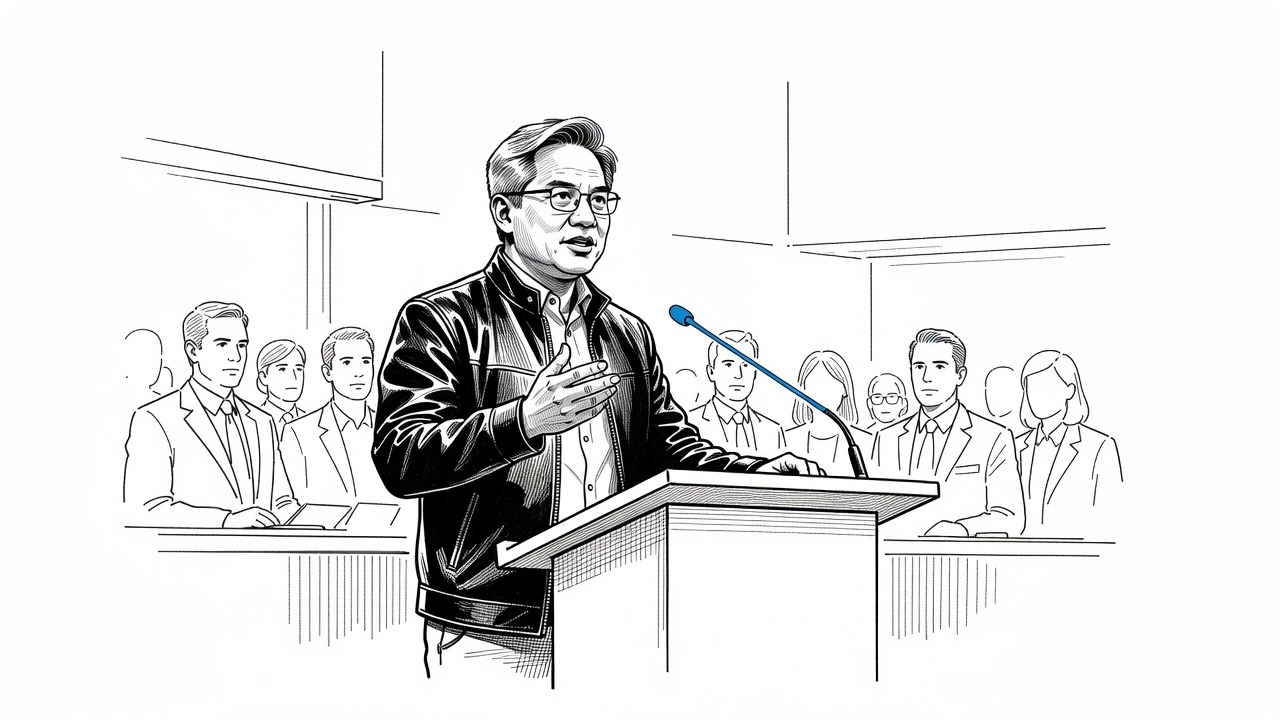
Jensen Huang wants you to know he is deeply concerned about AI safety, and that the solution is a conversation. Conveniently, it is a conversation that requires no rules, no oversight, no slowdown, and no interruption to Nvidia's order book.
Let's give him the part he gets right. Talking to Beijing about AI is not naive. It is necessary. Two countries are racing to build systems neither fully understands, and both have militaries eager to bolt them onto everything. In 2024, Biden and Xi agreed that humans, not software, should control decisions to use nuclear weapons. That was a small, real piece of risk reduction, and it came from governments talking to governments. An incident channel for national security crises, which Bessent and He Lifeng reportedly discussed, is just the sort of dull, essential plumbing that keeps accidents from becoming wars.
But look at who is asking for the dialogue, and what he wants it to replace. Huang is not proposing a verification regime or shared red lines. He is proposing talk as an alternative to regulation, and he said so. That is not a safety agenda. It is a business model with a diplomatic gloss.
The pattern is hard to miss. Huang runs the company that sells the picks and shovels of the AI gold rush, and he has spent years arguing against the export controls meant to limit what China can build with them. He has downplayed the people warning about catastrophic risk. Now, with the Trump administration treating chip access as a bargaining chip and taking a cut of sales, he offers dialogue as the grown-up alternative to constraint. If your revenue depends on the race continuing at full speed, "let's all talk" is the most profitable form of concern there is.
Arms control worked, to the extent it did, because talk came attached to teeth: treaties, inspections, limits that cost something. Nobody in 1972 said the answer to nuclear risk was for the weapons makers to stay in touch with their counterparts. A dialogue between two governments that refuse to constrain their own industries is two arsonists comparing notes on fire safety.
There is also a question about who gets a seat. Huang speaks of Western organizations and Chinese companies. Where are the workers whose jobs these systems are designed to replace? The communities hosting data centers that drain power grids and water supplies? The public that will live with the consequences of models deployed before anyone understood them? "Dialogue" among executives, researchers and security officials is how a few hundred people decide the terms for everyone else.
And Democrats should be uncomfortable here, too. It is too easy to sneer at Huang while offering no serious alternative of our own. The Left's AI politics have too often been a pile of worthy statements: about bias, about jobs, about disinformation, with little appetite for the harder fight over mandatory testing, incident reporting, liability and public audit of the most powerful systems. If we cede "safety" to a chip salesman, we have earned the result.
So yes, talk to China. Build the hotline. Pursue shared limits on military uses, and push for verifiable commitments on the most dangerous capabilities. But insist on the order of operations: rules first, or at least rules alongside, never conversation instead of rules. The man who profits most from the race is not the person to tell us when it is safe to keep running.