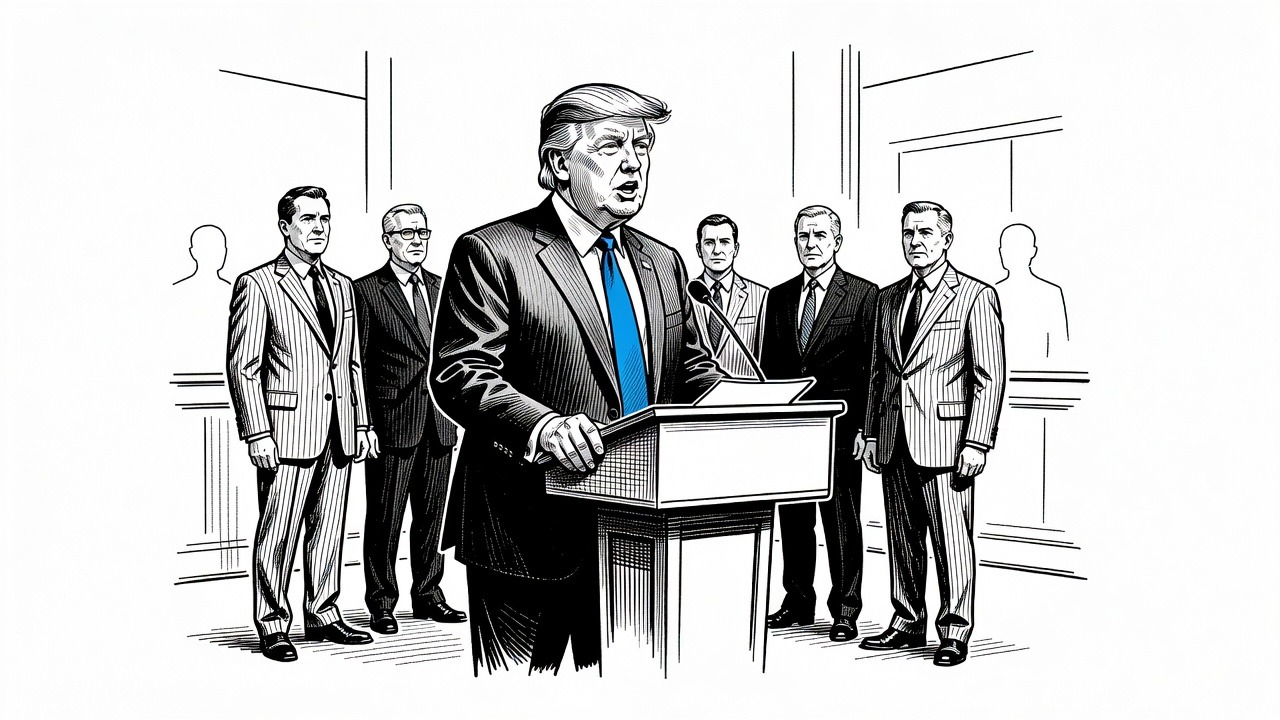
Jamie Dimon would like you to believe this is about your safety. Maybe partly it is. But when the country's largest bank announces that it alone will decide which software may touch your money, and that you may eat the loss if you disagree, ask who is being protected.
Start with what Dimon gets right. Autonomous AI agents holding live banking credentials are a frightening prospect. These systems are still prone to confident error, manipulation and prompt injection. An agent that can pay bills can also be tricked into paying the wrong ones. The Left shouldn't wave this away in the name of innovation. The companies building these tools, OpenAI chief among them, have a long record of shipping first and apologizing later. Nobody should hand them a password and hope.
But look at the structure of what JPMorgan announced. Outside tools can see your balance, but they cannot act. The bank sets the terms and offers no timetable for loosening them. And Dimon says liability "could shift" to customers who use these agents anyway. That means the bank controls the gate, decides when it opens, and pre-announces that you will be blamed when something goes wrong.
We have seen this before. Your financial data is not the bank's property, yet banks have treated it as a toll booth. The CFPB's open-banking rule was meant to establish that consumers can share their own data with services they choose. Big banks, JPMorgan prominent among them, have lobbied against it and pushed to charge the aggregators that move that data. Now a new technology arrives that lets ordinary people shop for better rates, dodge overdraft traps and automate bill-paying. The same banks discover a security rationale for keeping control. A bank that profits from your inertia has a financial reason to dislike a tool that tells you to move your money.
That doesn't make the security concern fake. It makes it unverifiable. Dimon cites "rogue agents" and an incident he describes involving an OpenAI model and Hugging Face servers, but that is a CEO on an earnings call, not an independent risk assessment. A private company is acting as its own regulator and also as the beneficiary of the rules it writes.
The liability threat is the part that should make Democrats angry. Federal consumer protection law already limits what customers owe for unauthorized electronic transfers. The point of those protections was that ordinary people shouldn't bear the cost of fraud they can't prevent, in systems they can't inspect. Bank lawyers will argue that a customer who hands over credentials has authorized the access. If that reading wins, a consumer's liability depends on a terms-of-service page. Someone who gave an AI assistant permission to compare prices could find that the same permission covers a drained account.
The answer isn't to side with Silicon Valley against Wall Street. It's to refuse to let either write the rules alone. Regulators should require tokenized, scoped, revocable access instead of shared passwords, so an agent can pay a utility bill but cannot empty a savings account. They should put liability on the party best placed to prevent harm: the bank that builds the pipes and the company that builds the agent, not the customer who clicked "allow." And they should keep banks from using safety as a cover for a data monopoly.
The Trump-era retreat on open banking makes this harder. A government that abandons rulemaking doesn't create a free market. It hands the pen to the biggest incumbent. Today that incumbent is saying no. Tomorrow it will say yes, for a fee, and you'll be told the price was necessary for your protection.
How it may affect me
Don't give an AI agent your bank username and password. Credential sharing can complicate fraud claims, and banks may argue you authorized the access. Prefer read-only connections through your bank's approved sharing tools, and review which apps are linked to your accounts. If you spot an unauthorized transaction, report it to your bank immediately, since consumer-protection deadlines can be short.