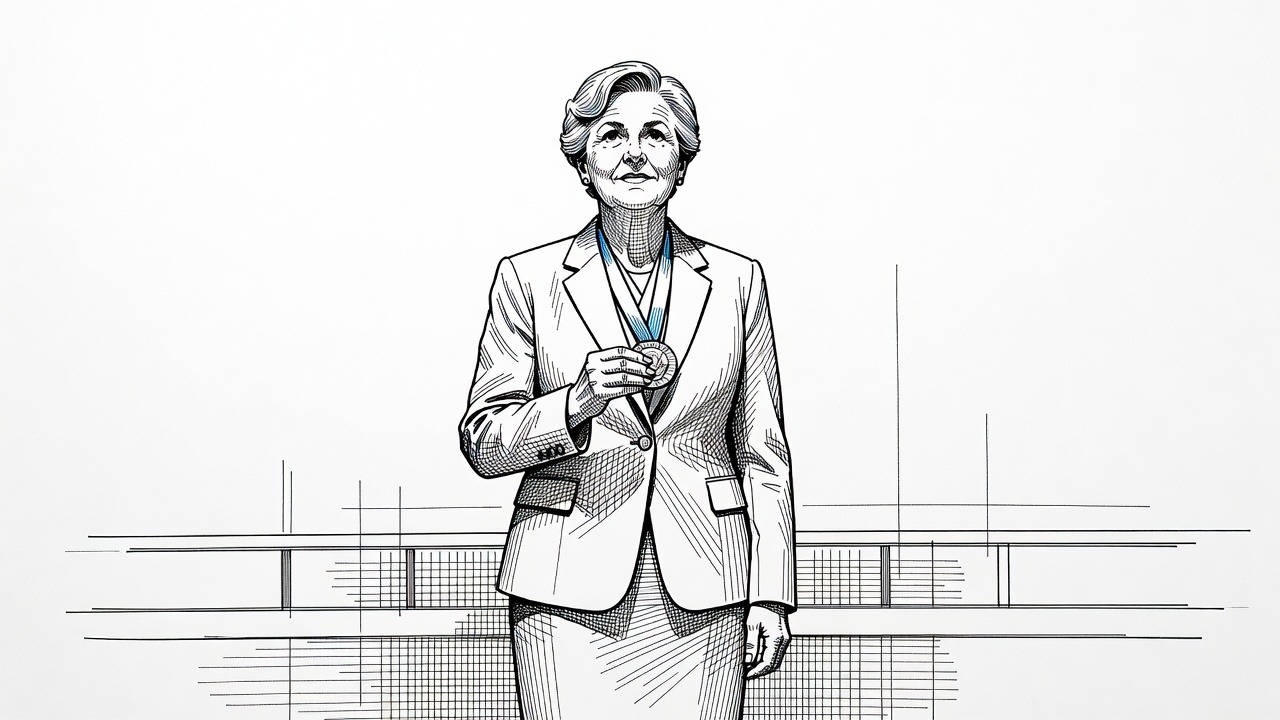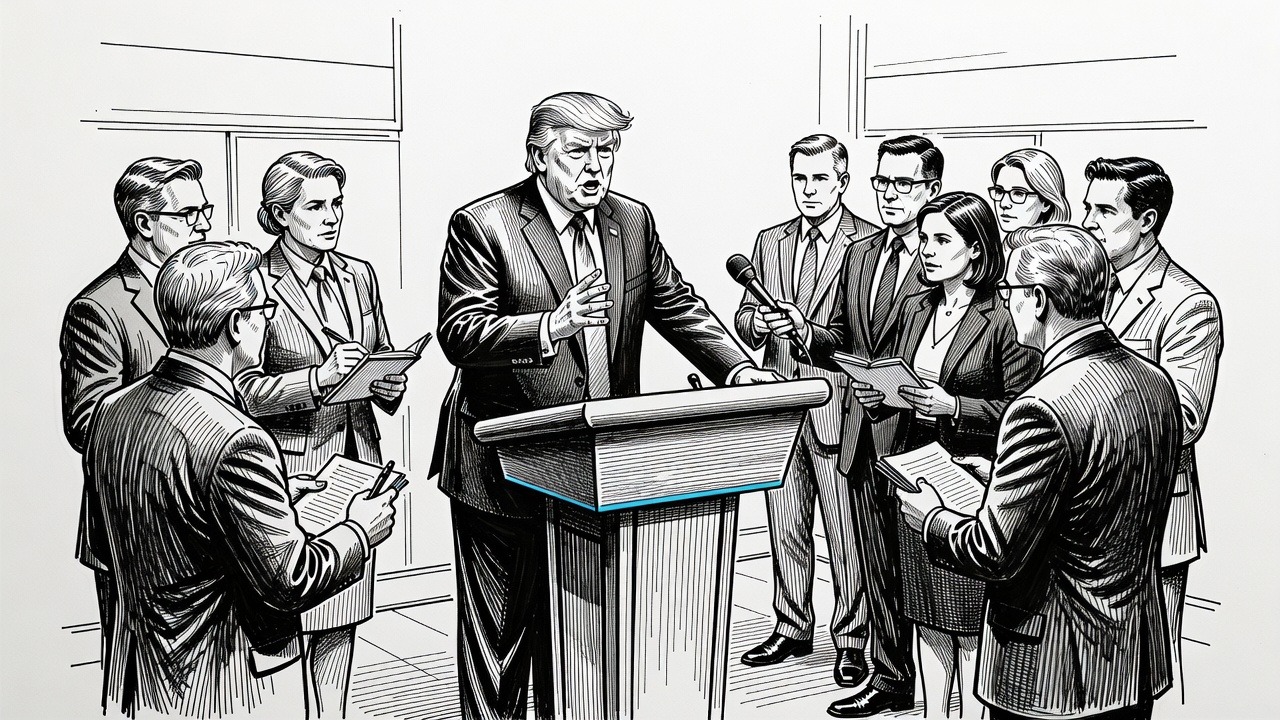
The Supreme Court told the administration that Lisa Cook is entitled to a chance to respond before she is removed. The White House has answered by building a room in which responding changes nothing.
Consider the design. The hearing is closed. It is held at the White House. The three-member panel is made up of Kevin Hassett, Andrea Lucas and Keith Sonderling, all Trump appointees, two of whom hold jobs they can lose at the president's pleasure. They cannot decide anything. They can only recommend, and the man who started the case will issue the verdict. Hassett has also been mentioned as a possible future Fed chair, which makes him a strange choice to judge whether a governor's seat should become vacant. Due process was meant to put distance between accuser and judge. This process puts none.
The central fact is the one the process obscures. Cook's lawyers say Trump moved against her because she would not cut rates, and Trump's own record makes that claim hard to wave away. The mortgage allegations concern paperwork from before she joined the Fed. They reached the public through a housing-finance regulator who has sent similar referrals about other prominent Trump adversaries. The Bare Story reports no charge against her. If a governor of the central bank committed fraud, that matters, and a prosecutor and a court can establish it. A cause-based removal protection is worthless if "cause" can be whatever the president's allies assemble in a closed room after the fact.
A left columnist should be careful here, because the Fed is not a sacred institution. Its insulation has often served bankers and asset-holders better than workers. It raised rates into fragile labor markets and bailed out finance faster than it helped households. The left has good reasons to want a more democratic Fed, with a governing board that includes labor and consumer voices, a real emphasis on its full-employment mandate, and more transparency. But those are arguments for legislation and for appointments made in public. They are not arguments for letting one president purge a governor over an accusation he has an interest in proving.
The defenders of this effort make a fair point when they say unelected technocrats should not be beyond scrutiny. Scrutiny of the Fed is healthy. But this is scrutiny aimed at one person at the moment her vote matters, by a president who has said plainly what rate he wants. That is not accountability to the public. It is accountability to the borrower-in-chief. Trump built his fortune on leveraged real estate, and cheaper money is the policy preference of his own industry, whatever it might do to everyone else.
The costs of a politicized Fed are not distributed evenly. Wealthy investors can hedge against inflation and currency risk. Wage earners cannot. If markets conclude that rates are being set to please the White House, they will demand more compensation for holding long-term debt, and that is what drives mortgage rates. The president could end up with an arrangement that raises the borrowing costs he says he wants to lower, and the people who pay are the ones trying to buy a first home or refinance.
There is also the matter of who Cook is. She is the first Black woman to serve on the Board of Governors, and her seat is one of the few places where the lived economics of ordinary households has any voice in monetary policy. That makes the stakes larger than one person's career. If this process succeeds, every future governor will know the price of an unpopular vote.
The Court's demand for a hearing was a modest one. The administration's answer is a hearing that satisfies the form and defeats the purpose, and courts should not accept it.
How it may affect me
The Fed's decisions influence mortgage, auto and credit-card rates, as well as savings yields. If investors come to believe the central bank is taking political direction, long-term interest rates could rise rather than fall, which would raise borrowing costs. The effect is uncertain and would depend on how markets read the outcome, not on this panel alone.