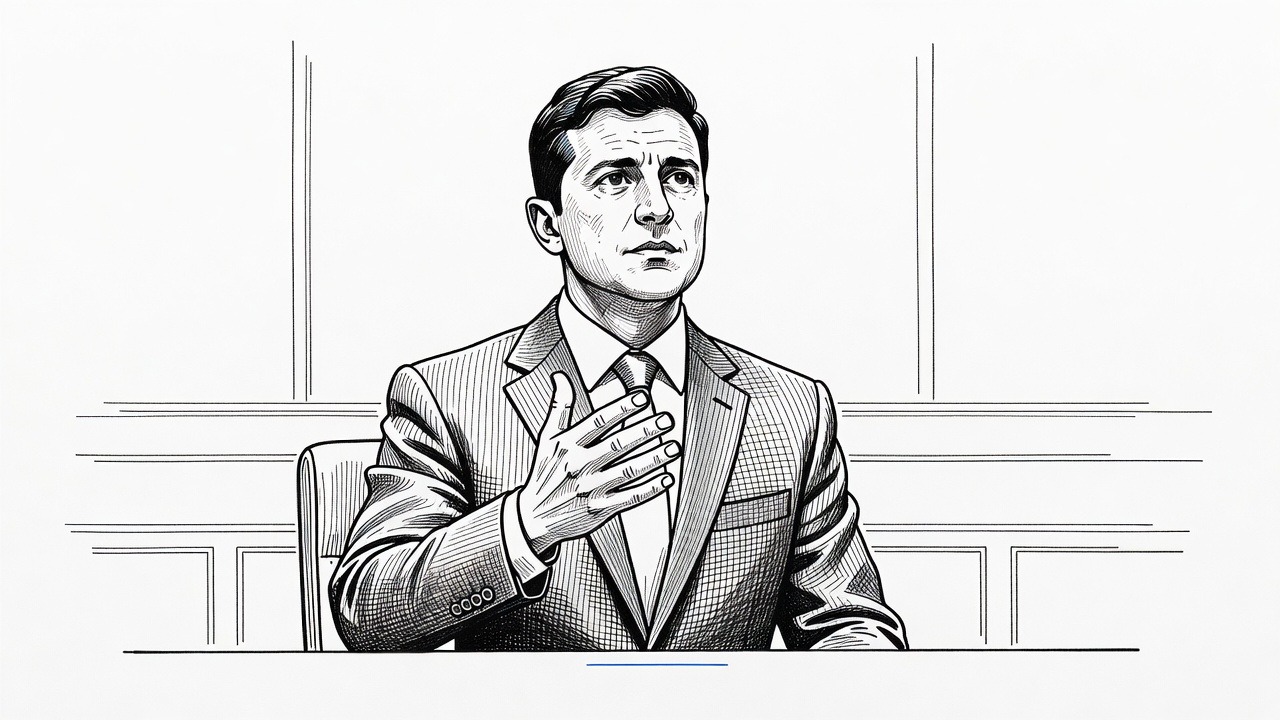
Look closely at the two things the administration said this week, because together they amount to a confession.
First, its lawyers told a federal judge that a restraining order was unnecessary because the broadcasts were about to end. Then Trump announced that he, or his super PAC, MAGA Inc., would pay for future ads. The White House added that he won't reimburse taxpayers for what has already been spent.
If these were ordinary public-service announcements, why would the president's political operation need to take over the bill? Why would the ads' future depend on his campaign money at all? The answer is that everyone involved understands what the ads are. Taxpayer money has been used to put the president's face on television in the run-up to a midterm election. When the law gets in the way, the plan is to shift the invoice to the political committee that should have paid for it from the start.
This is not a technicality. Congress appropriated $20 million to the Department of Homeland Security. That was public money, collected from working people, including the building cleaners, doormen and security officers that 32BJ represents. It was not a campaign account. A long-standing principle of federal spending law holds that agencies may inform the public but may not use appropriated funds for publicity or propaganda aimed at the political fortunes of the people in power. The line between the two can be blurry. Presidents of both parties have tested it, and the Government Accountability Office has scolded administrations of both. But a blurry line is a reason for a referee, not a license to run over it.
The usual defense is that everyone does it. Not like this. Past controversies involved agency messaging that critics thought was too promotional. Here, the star of the commercial is the man on the ballot's moral ticket, in an election year, with the money reimbursed by no one. Remove Trump from the screen and the ads would stop being a story. Keep him there and the plain function is to make voters feel good about him on the government's dime.
Democrats shouldn't claim the high ground by default. The party has its own history of using government communications for political benefit, and a principle that applies only when the other side breaks it is just a tactic. The test is whether we would demand the same of a Democratic president, and we should. The answer to this abuse isn't a fresh double standard. It's a rule enforced against whoever holds the office.
That is also why the weakness of the remedy should bother us. A 14-day restraining order is a speed bump. It stops further spending, but it does nothing about the money already burned. The administration has made clear it won't pay that back voluntarily. If the only consequence of misusing public funds for political advertising is that the beneficiary has to start using his own donors' money partway through, the lesson for the next president is obvious: spend first, litigate later, and enjoy the airtime.
Congress should be the first line of defense, but the party in control of it has little interest in policing its own president. That leaves a union local, a watchdog group and a national party committee to do what oversight committees won't. They are right to do it, and the judge was right to reject the claim that the case was moot. Mootness is the escape hatch for every offender who stops just before getting caught.
If the president wants to campaign, he has a campaign, a super PAC and a famously deep list of donors. He has no right to the Treasury. The courts should say so clearly, and the reimbursement should come next.