Every White House press secretary is a loyalist, so loyalty is not the interesting part of this appointment. The interesting part is the résumé line. Katie Zacharia currently works as a senior communications adviser for the company that owns Truth Social, and the president is its majority shareholder, a stake now held in a trust. If she takes the job, the person who speaks for the government will be coming straight from the payroll of the president's own publicly traded business.
Previous administrations drew press secretaries from campaigns, advocacy groups, Congress and newsrooms. Those places were political, and nobody pretended otherwise. A company with shareholders, quarterly filings and a stock price that moves on the president's moods is a different kind of employer. Trump Media's value has long depended less on its earnings than on its association with Trump. The president's posts are often where policy first appears, and the White House spokesperson explains and defends those posts. The boundary between promoting the government and promoting the platform where the government announces itself was already thin. This hire makes it thinner.
The obvious objection is that this is just another partisan hire in a long line of them. It is true that Jean-Pierre came from MoveOn and that spokespeople have always shaded the truth. But a partisan group wants to win an argument. A company wants to make money. Voters can discount the first motive, and they have no good way to see whether the second is operating inside the briefing room. A Trump Media employee at the podium raises a question no earlier press secretary raised: when she steers attention toward one platform or one announcement, whose interest is she serving? The administration owes the public an answer, and so far it has said only that she is a loyal supporter of the movement.
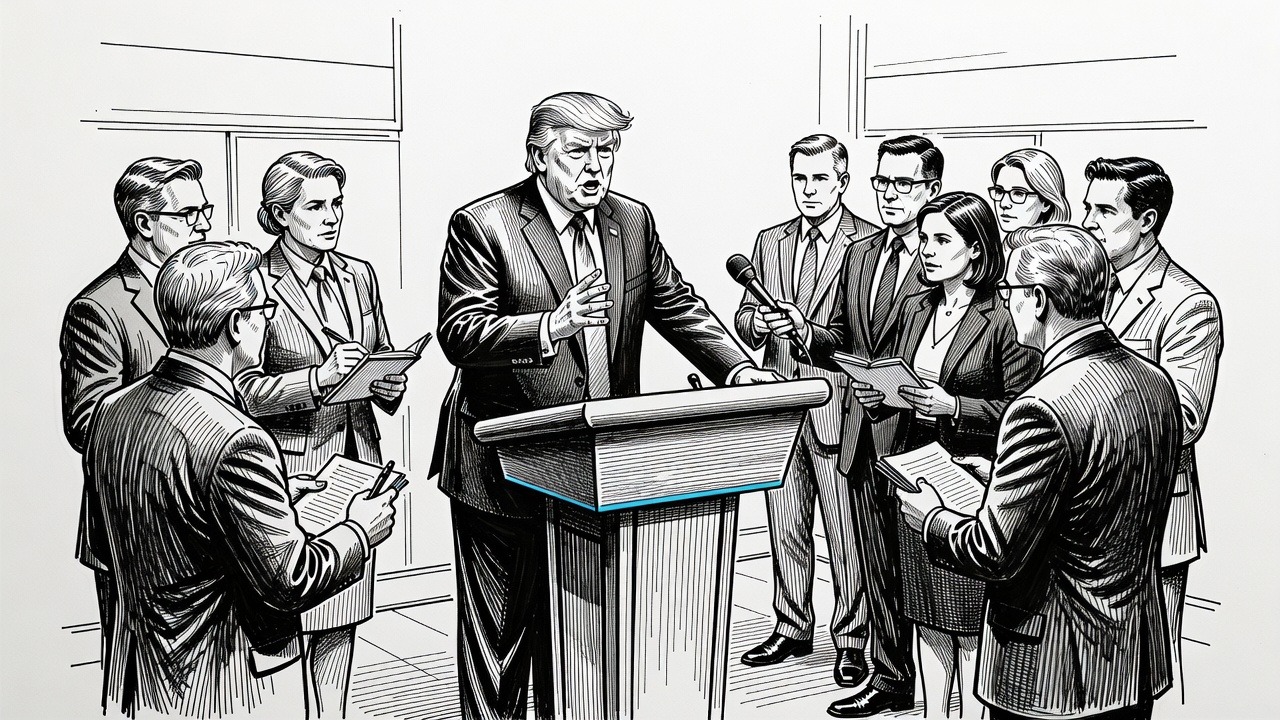
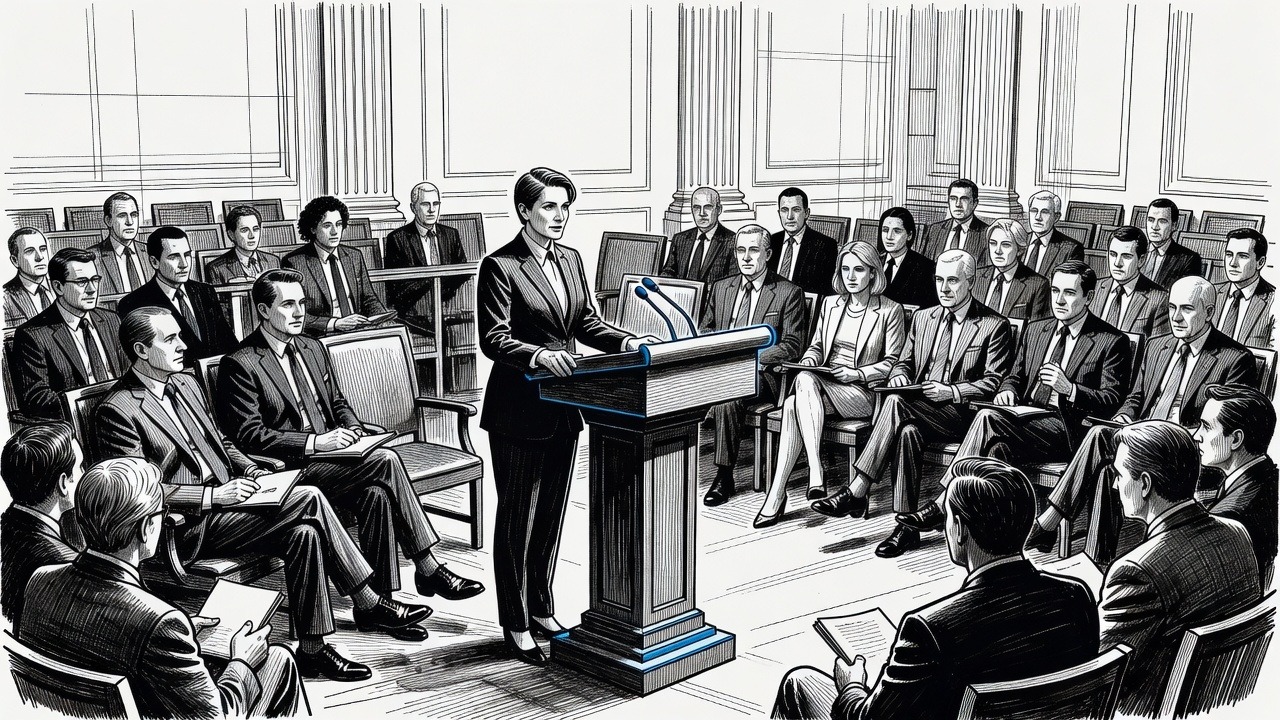
Then there is the promise that she will work with the press corps. Take that at face value, but look at what the job has become. This White House has taken control of the press pool from the correspondents' association, shut the Associated Press out of events over a dispute about the Gulf of Mexico's name, and invited friendly new-media voices into the briefing room while crowding out the wire services that serve local papers nationwide. The briefing is no longer where the government answers to the public. It is one outlet among several, and not the one the president prefers. Truth Social is the preferred outlet, and its communications staff is now supplying the next voice at the podium.
This is why the appointment matters beyond the churn of personnel. A press secretary's most important duty is not to defend the president. It is to be the point where the public's questions meet the government's answers, and where a reporter from a regional paper can ask something the president would rather avoid. That function has value because it belongs to the public, not to any administration. Each step that turns it into a branch of the president's own media enterprise erodes it, whatever the intent.
There are practical safeguards. Zacharia could divest or formally sever ties to the company, and the administration could publish the terms. Ethics rules could require her to recuse herself from anything touching Trump Media's business. None of that is guaranteed, and it is not yet clear she has even accepted the offer. If she does, the first question for the White House is not about her politics. It is whether she will still be paid by the company when she stands at the podium. Reporters should ask it on day one, and the answer should be public.