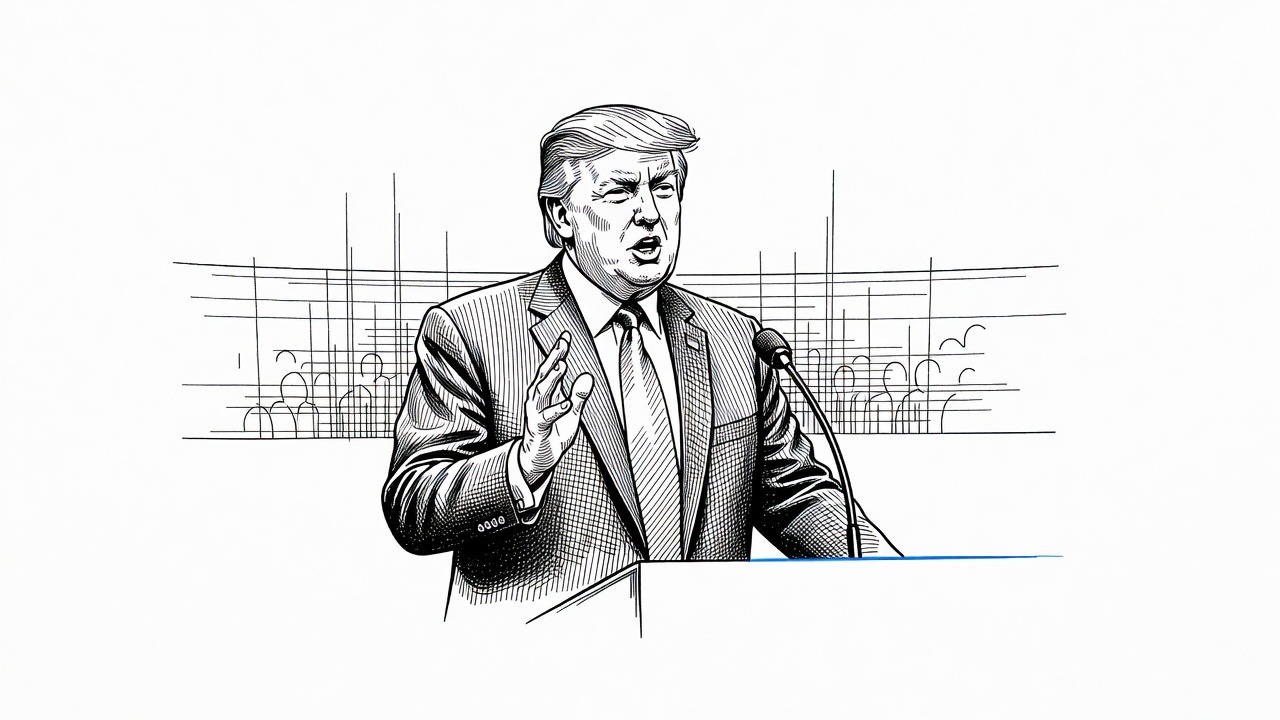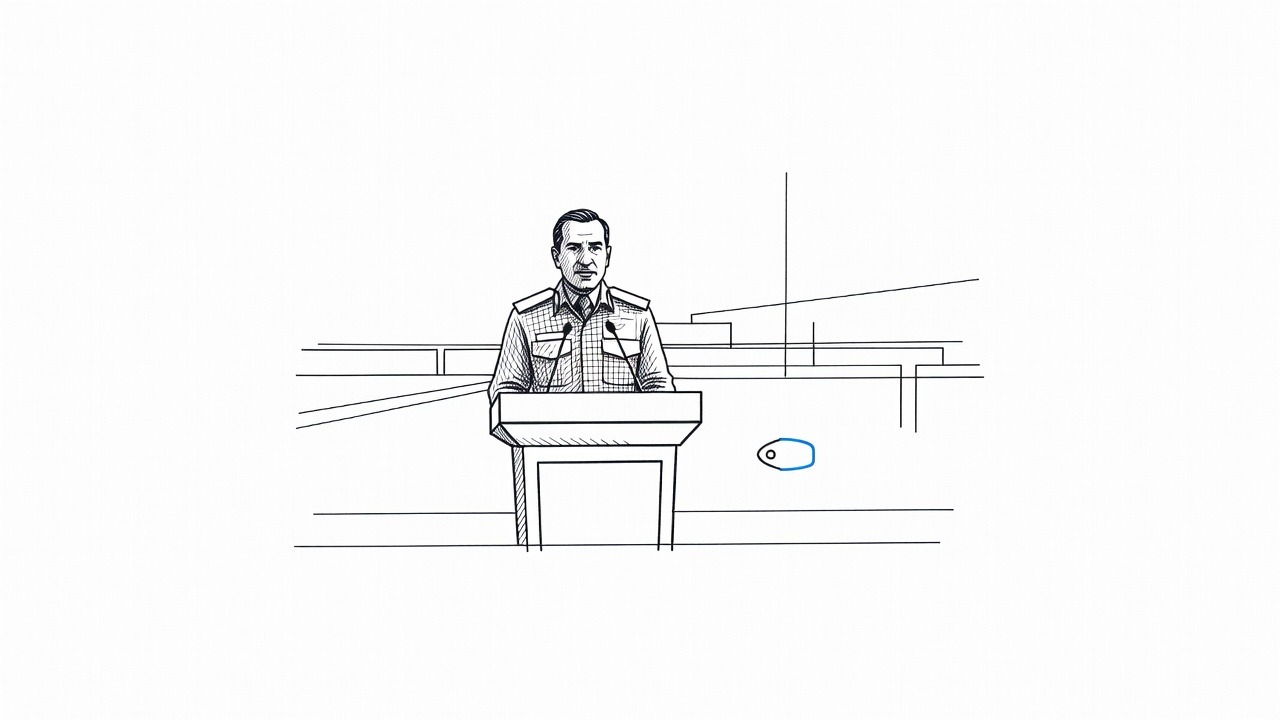
Capt. Hamoud Ali Alkalthami went to work and did not come home. So did two other Saudis, killed at a civilian airport by weapons that cannot tell a pilot from a soldier. Any politics that cannot say plainly that this is wrong has lost its footing. The Houthis' claim of responsibility is not a justification. Missile and drone strikes on an airport are an attack on people whose only role in the war is that they have jobs or flights to catch.
But the Saudi-led coalition's statement deserves a harder look than it usually gets. Maj. Gen. al-Malki warned that attacks on civilians and civilian infrastructure will face a firm response. It is a fair principle. It would carry more weight from a coalition whose own air campaign since 2015 has repeatedly hit markets, funerals, a wedding and a school bus, often with munitions supplied by Western governments. It would carry more weight from a coalition that, with its allies, has restricted flights into Sanaa's airport and throttled Hodeidah's port in a country where most people depend on imported food and fuel. UN-linked estimates put the war's death toll in the hundreds of thousands, most from hunger and disease rather than bombs. A rule that protects civilians only when they are Saudi is not a rule. It is a grievance.
The Left should resist the lazy reading in both directions. The Houthis are not an anti-imperial resistance to be admired from a distance. They run an authoritarian statelet in northern Yemen, jail critics and aid workers, and have recruited children. Their strikes on Saudi cities treat Saudi civilians as leverage, which is exactly the logic Yemenis have suffered under for a decade. Being against the Saudi war does not mean excusing the people firing at Riyadh.
The more useful question is who, at the end of this, will have been protected. The U.S. Embassy's alert is revealing: American government personnel need approval to use the airport, and further closures are possible. That is the correct precaution for an embassy, but it shows who has the means to step away from this war. Diplomats can reroute. Pilots, ground crews, cleaners, baggage handlers and the migrant workers who staff Gulf aviation cannot. Neither can the Yemenis under the other side's bombs, who have no embassy to issue them a warning.
The strategic lesson matters too. For years, Riyadh's military approach rested on the assumption that the war could be kept far away, fought by air over someone else's country. Saudi Arabia has staked its future on Vision 2030, on hosting global events, and on being a safe hub for international capital and travel. An airport struck by missiles undermines that case more effectively than any rhetoric. Force has not bought Saudi Arabia the security it wanted. It has produced a standing vulnerability and a Yemeni population with every reason to hate it.
The real alternative is not another round of retaliation against launchers, however many are destroyed. It is the unfinished UN-backed process that the 2022 truce opened and the region's powers have let stall: a negotiated settlement that deals with salaries, ports, airports and the blockade, in exchange for security on Saudi borders. Those two sets of demands are linked. Yemenis will not stop fighting while their ports and airports are held hostage, and Saudis will not be safe while those ports and airports are the price of their safety. Western governments that sell the weapons and issue the security alerts have more leverage over that bargain than they admit.
Three Saudi families are grieving, and they are owed more than a promise of a firm response. They are owed an end to the war that put an airport in range.
How it may affect me
If you are booked to travel through Riyadh or the wider Gulf, expect possible short-notice cancellations or airspace closures, even though the airport reportedly returned to normal on Friday. Check your airline's status before leaving, and confirm that your travel insurance covers conflict-related disruptions. U.S. government personnel need approval to use Riyadh airport, and private travelers may want to follow their government's travel advisories. It is too early to say whether further strikes will follow.