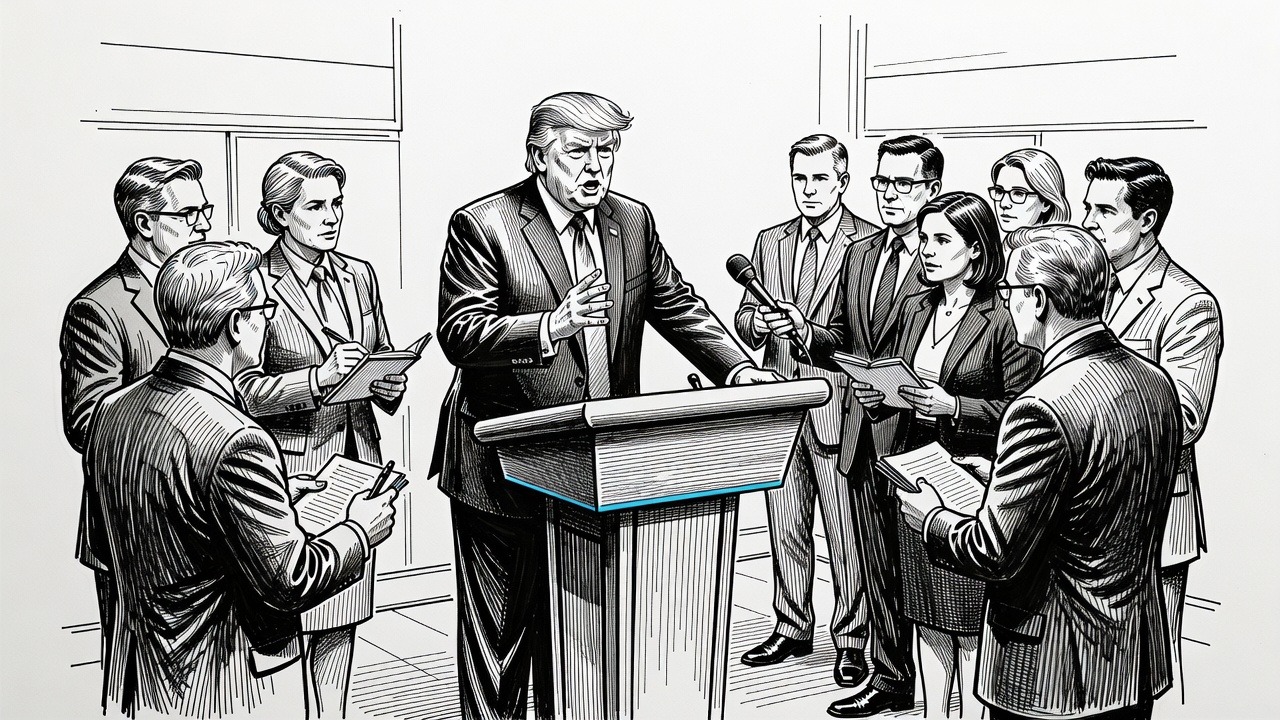
Brian Niccol took the top job at Starbucks in 2024 with a promise to get back to basics: better coffee, faster lines, a café that feels like a café again. Two years on, the company's board is reportedly weighing whether he should spend roughly $40 billion on the burrito chain he used to run.
The obvious reading is corporate ambition, and that's probably right. The more useful question is what the idea says about the turnaround it interrupts. Starbucks has been cutting costs, reworking store equipment and renegotiating how labor hours are scheduled. Meanwhile Starbucks Workers United, which won its first election in Buffalo in 2021, still has no first contract. Contract talks collapsed, strikes followed, and the company has spent years treating a few hundred thousand employees' collective voice as a nuisance to outlast. A company that says it can't yet settle with its own baristas is now reportedly entertaining the purchase of someone else's workforce.
That is where the story matters beyond Wall Street. Starbucks employs roughly 380,000 people worldwide, and Chipotle well over 100,000. Merger review has traditionally asked whether consumers will pay more. A coffee chain and a burrito chain barely overlap on that test. But these are two of the biggest low-wage, high-turnover employers in the country, and the 2023 federal merger guidelines at least acknowledge that labor markets can be concentrated too. Whether a regulator would look is doubtful. Whether anyone should is not. When the "synergies" that analysts cite include real-estate efficiencies and operational overlap, the people who absorb those efficiencies are usually the ones working the shifts.
Chipotle's record suggests that isn't an abstraction. It paid $20 million to settle claims that it violated New York City's fair-workweek law, and it settled Massachusetts child-labor violations. Starbucks has its own history of labor-law complaints, and Niccol has presided over both companies. Whether this deal is rational or vain, the people most affected would have no seat at the table, and under current law no right to one.
The strongest case for the deal deserves a hearing. Scale can bring benefits. Starbucks has historically offered health coverage to part-timers and tuition support, and a bigger company with more stable cash flow might extend such things to a newly acquired workforce rather than strip them. Consolidation is also not inherently a villain. If the turnaround stalls, a transformative move might even protect jobs. But that argument assumes the buyer's management wants to share gains with labor, and Starbucks has spent four years demonstrating its reluctance to put that in writing. Goodwill that can't be bargained over isn't a benefit plan; it's a policy that can be revoked.
There is also a governance question that shareholders, not just unions, should press. Niccol is presumably still tied financially to Chipotle's stock, and he would be negotiating against the team he built. Whether or not that creates an actual conflict, it requires a truly independent board process, with outside advisers and disclosure, not a deal driven by the chief executive's relationship with his former company. Starbucks shares were little changed on the report, which suggests investors haven't been convinced of the logic. Chipotle's shares jumped, which tells you who thinks they'd be paid.
The test is simple. Before Starbucks asks its shareholders to underwrite a $40 billion bet, it should show that its own house is in order: a first contract with the workers who've been asking for one, and a staffing model that doesn't depend on short-handed baristas. If management can't do that, the acquisition looks less like strategy than escape from the harder job.