When a state is asked to fix a leaking roof and answers with tear-gas grenades, it has told you what it thinks the problem is. The problem, in this telling, is the teenager and not the roof.
The numbers in this story are lopsided in a revealing way. Students, parents and teachers are complaining about deteriorating buildings, missing equipment and too few staff. These are the most ordinary grievances a public institution can generate, and the most fixable. The state's most visible response so far is a custody count: 6,100 people detained since September. Add 715 injured officers, 215 injured teenagers, a 15-year-old who lost a hand and part of his forearm, and a 14-year-old with a fractured jaw. A country that cannot find money for boilers and teachers has found plenty of capacity for kettling children.
Be fair to the other side of this, because the strongest version of it deserves an answer. Police were hurt. Property was damaged. Authorities say the Lens boy picked up a grenade that then detonated, and that case is under investigation. Interior Minister Laurent Nunez says policing was proportionate in almost all cases. France also already spends heavily on education and faces real pressure to bring its deficit down. Blockades also shut classrooms, and the children who lose the most from a closed school are rarely the ones with private tutors and book-lined homes.
Those points are serious, and they still miss the main one. Nobody disputes that a 15-year-old should not lose a hand at a school protest, whatever the exact sequence turns out to be. Nor does anyone seem to dispute that the buildings are decaying. The dispute is over who has to prove their seriousness. Students have done so by showing up in the hundreds of thousands, whether the count is the Interior Ministry's 256,000 or organizers' 450,000. The government's seriousness is still to be established, and its first offering is that the prime minister has "directed officials to review student demands." Anyone who has watched a bureaucracy knows what a review is. It lets the state look attentive while the budget calendar goes on unchanged.
That calendar is the real story. Austerity rarely arrives as a decision anyone has to defend. It arrives as a deferred repair, an unfilled post, a lab with no equipment. Each cut is small, locally absorbed, and politically invisible. A single missing teacher never makes the news. A parent can complain, a principal can improvise, a union can file a grievance, and nothing adds up to a crisis. Schools are a textbook collective-action problem: everyone benefits from adequate public education, no individual can buy it, and the costs of neglect are spread thin and arrive late. The protests are what that diffuse resentment looks like when it finally finds a shared outlet. Disruption is the only mechanism these students have, because they cannot vote, cannot strike in the formal sense, and hold no lobbyists. When a country takes away the ordinary channels of influence, it should not be shocked by the extraordinary ones.
Progressives should not let themselves off the hook either. A movement that says it defends public schools has to say precisely what it wants. "Investment" is a slogan, and slogans are easy for a government to absorb. A credible demand has a price tag and a timetable: a funded maintenance backlog for school buildings, a hiring commitment for named shortages, and equipment budgets that cannot be quietly raided. Closing over half the country's high schools makes a point once. Repeated, it risks costing the movement the parents whose support it needs, and the students with the least cushion pay first for lost instruction. The strongest left position is to treat the blockade as evidence of failure and demand a concrete remedy, rather than treat it as a victory.
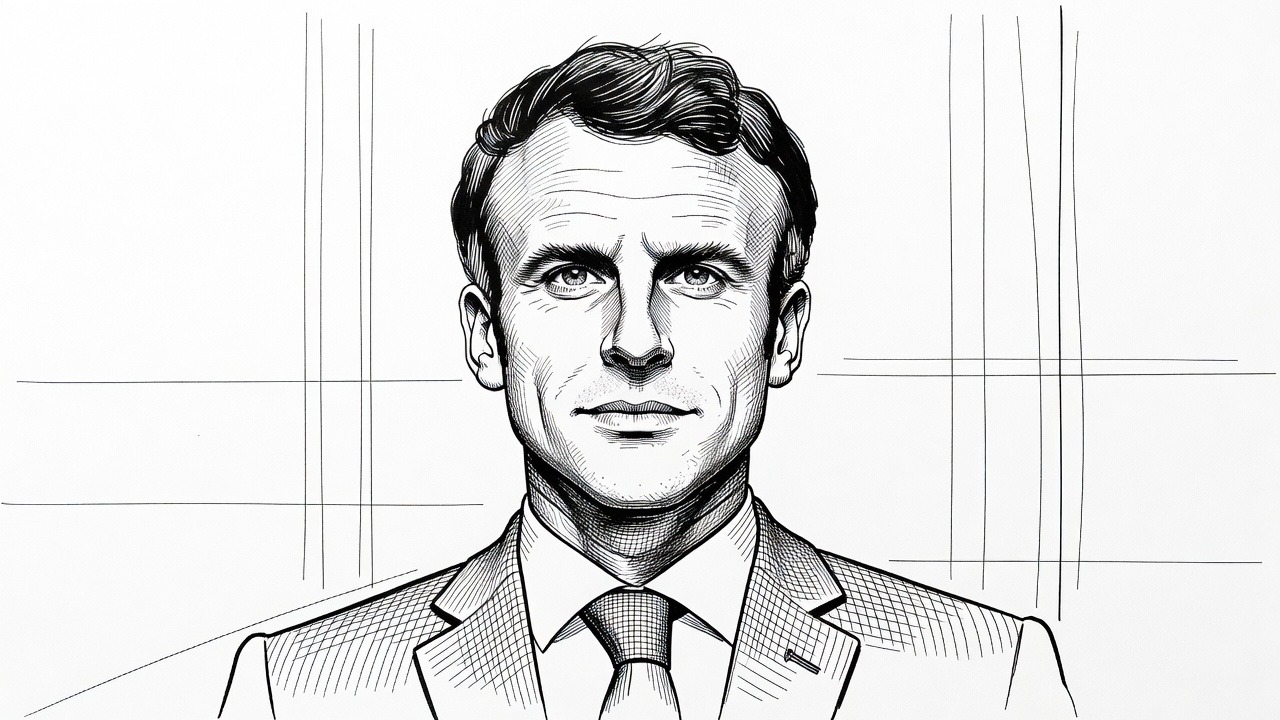
Still, the moral weight sits with the state. Macron has called his senior ministers together, which is the right instinct if it produces money and the wrong one if it produces a communications plan. The test is simple. Within a few weeks, will the government announce a repair and staffing commitment that students can check against their own classrooms? And will the injuries to two teenagers be investigated with the same energy that produced the arrest tally? If the answer is no, France will have taught a generation a lesson about citizenship that no civics syllabus could match: the republic listens when it is frightened, and punishes when it is merely asked.
How it may affect me
For students and families, the near-term effects are lost class time, uncertainty about exams and school schedules, and in the worst cases physical harm, including two teenagers seriously injured. Pupils in the poorest districts, who depend most on public schools and have the fewest private fallbacks, stand to lose the most if disruption drags on without repairs. Over the longer term, a government that answers with a review rather than funded commitments risks hardening cynicism among young people about whether protest or the ballot box can deliver anything. If it does commit to concrete money for buildings and staff, students would find out quickly whether anything improves in their classrooms. Teachers face more strain from shortages while the dispute continues. Police, too, bear costs from being sent to manage a problem that is fundamentally budgetary, and the investigations into the injuries will test public trust in how force is used against minors.