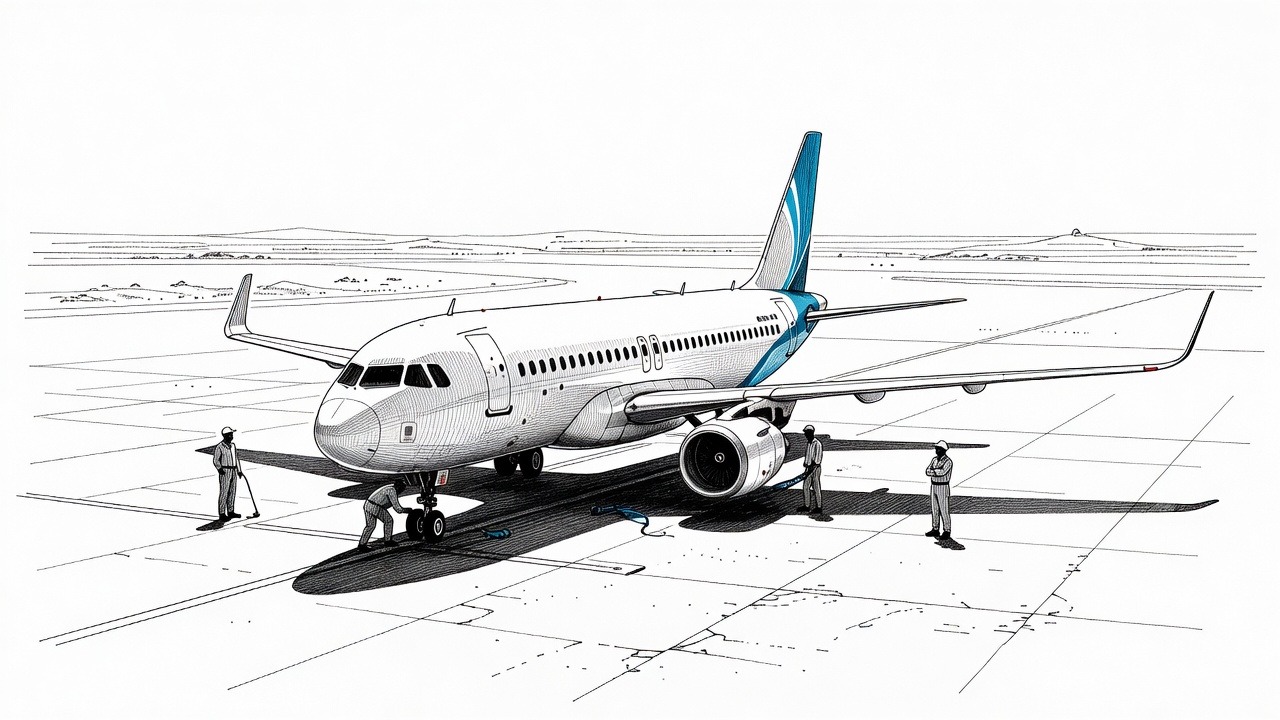
The instinct with a story like this is to watch the fighter jets. A flight toward Tel Aviv veers off course, airspace closes, and the war-footing machinery of a state springs into action. That machinery is real and, given what Israeli officials could see, reasonable. But the more important part of this story is who actually resolved the crisis, and it was not the jets.
By the accounts we have, the captain, injured, resisted the co-pilot and unlocked the cockpit door. Passengers and cabin staff restrained the co-pilot. Two off-duty pilots then flew the aircraft to Tabuk. Nobody in that chain was a soldier or a security contractor. They were workers and ordinary travelers improvising a rescue inside a system built mostly to imagine threats arriving from outside.
That is the tension worth noticing. Since 2001, commercial aviation has invested heavily in the idea that the cockpit is a fortress against intruders. It is a sensible idea, but it carries an assumption: that danger comes from the cabin, and that the people behind the door are safe. When the alleged danger is inside the cockpit, the locked door becomes part of the problem. Here, the fix was a wounded man opening it. We have seen this before, most painfully with Germanwings in 2015, and the industry's answers, such as two-person cockpit rules, have been applied unevenly and sometimes quietly dropped. Resilience here came from human beings, not from design.
We should be careful about what we don't know. The motive is unknown. Allegations are not findings, and anyone offering a diagnosis of the co-pilot, whether political, psychological, or criminal, is guessing. Israeli officials are participating in an investigation they do not run, and the co-pilot is now being questioned in the UAE. The proper posture is patience.
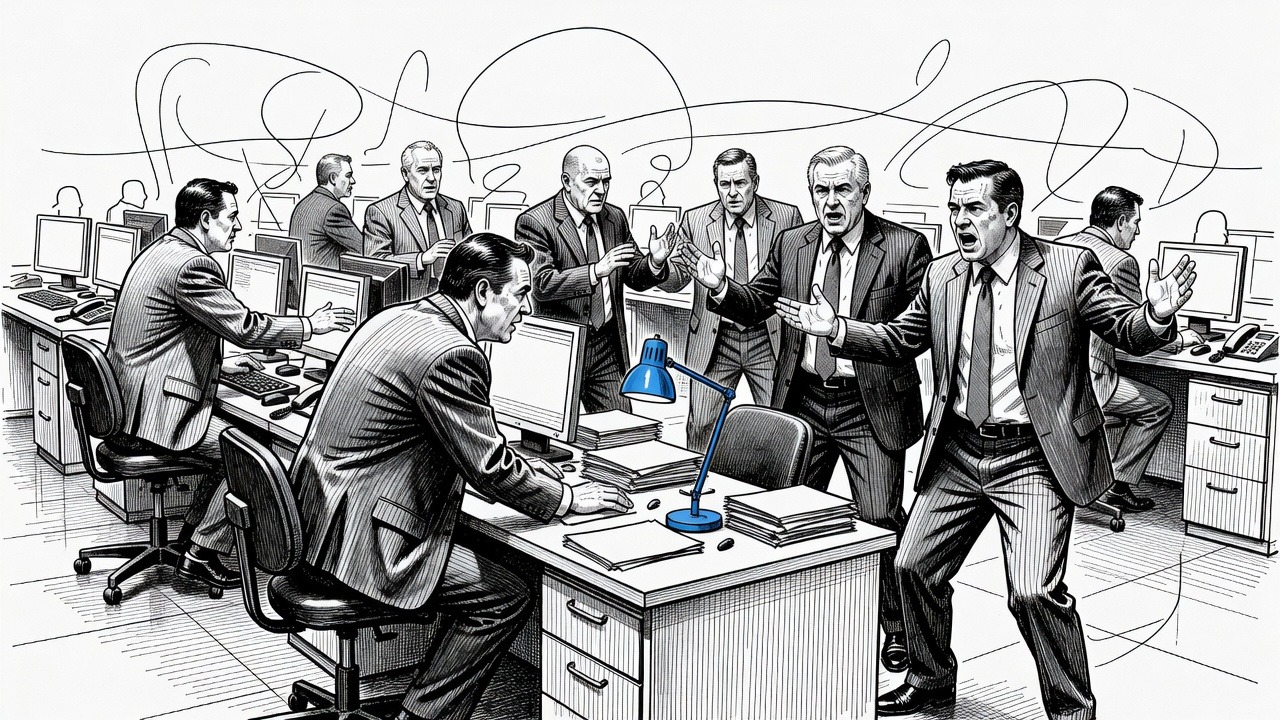
But a progressive has a standing question to put to any institutional failure: what conditions make such failures more likely, and who is protected by silence? Aviation is a field in which pilots have strong reasons to hide psychological distress, because disclosure can end a career. Crews work long, irregular schedules across time zones, and airlines compete fiercely on cost. None of that is evidence about this co-pilot. It is a reason to insist that the investigation ask about screening, fatigue, peer support, and whether the airline's culture lets anyone raise a hand before something goes wrong. If it turns out to be a one-off act with no structural fingerprints, we should say so. If it doesn't, the "heroic captain" narrative will be used to close the file early, and that is the usual outcome. Societies love a hero because heroes let institutions off the hook. Systems should not depend on a bleeding captain's willingness to open a door.
The second thing worth noting is an irony that politics will probably bury. A flight from Dubai to Tel Aviv, carrying more than 150 Israelis, landed safely in Saudi Arabia, a country with no formal relations with Israel. The aviation commons, meaning emergency-landing obligations, cross-border investigative cooperation, and the shared assumption that a plane in trouble is a plane to be helped, worked across some of the most politically charged geography on earth. Saudi authorities questioned the co-pilot, the UAE is continuing the questioning, and Israeli authorities are joining in. This is the kind of unglamorous public infrastructure that prevents disasters, and it survives precisely because it is mostly insulated from the rivalries around it. It deserves defending in an era that keeps trying to turn every shared system into a weapon.
The conservative reading is that the state's vigilance was vindicated: jets scrambled, procedures followed, and one bad actor stopped. That is partly right, and I would not second-guess a military that treated an erratic descent toward its territory as a threat. But vigilance against external enemies did not save this flight. The people on board did. A country can maintain the most sophisticated air defense on earth and still depend, in the decisive minute, on whether a crew member is trained, rested, trusted, and able to act. If we want safer skies, we should be spending as much attention on the people inside the aircraft as on the airspace around it.
How it may affect me
For ordinary travelers, the immediate lesson is reassuring and unsettling at once: the flight was saved by crew and fellow passengers, which means safety depends on the quality of crew training, staffing, and working conditions, not just on security hardware. If the investigation finds gaps in pilot screening, mental-health support, or cockpit procedures, the practical stakes are regulatory: whether airlines and aviation authorities require two-person cockpit protocols, confidential peer-support systems that don't end careers, and sensible duty schedules. For pilots and cabin crew, the risk is that the story becomes either a hero tale with no follow-through or a pretext for blanket suspicion that deters people from seeking help. Passengers on regional routes may also face heightened security and delays as authorities react. Over the longer term, keeping emergency cooperation across rival states intact protects everyone who flies through a tense region.