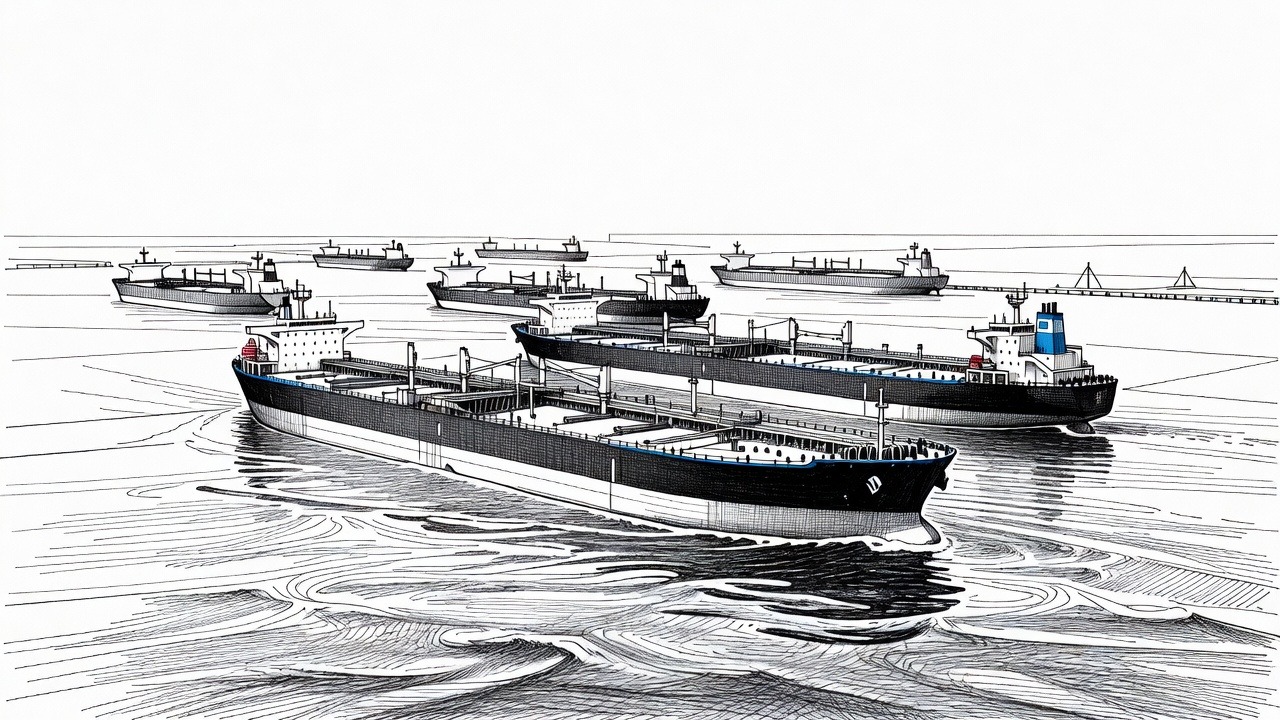
There is a remarkably revealing admission buried in the official response to the crisis in the Strait of Hormuz: U.S. Energy Secretary Chris Wright noted that the administration anticipated risks to energy flows before military action began. In other words, policymakers entered a cycle of military escalation fully aware that ordinary people would absorb the economic blowback at the pump and in their heating bills, treating public financial pain as an acceptable externality of geopolitical force.
To manage the fallout, Group of Seven nations are now preparing to tap 100 million barrels of crude from emergency reserves over four months. Notice the dynamic at play: public wealth and collective strategic buffers are liquidated to paper over the foreseeable fallout of military decisions made without democratic input. A reserve established to protect domestic societies from catastrophic, unforeseen shocks is instead converted into an offshore shock absorber for foreign policy adventurism.
Meanwhile, Saudi Aramco’s chief executive casually projects that repairing global inventory deficits could take up to two years. His commentary underscores the deeper structural trap. So long as the global economy remains tethered to combustible fossil fuels and narrow maritime choke points, public well-being remains hostage to autocratic petro-states and corporate extraction monopolies. The working class is forced to underwrite this system twice: first through military budgets that guard oil shipping lanes, and second through the regressive tax of spiked diesel and heating costs when those lanes inevitably combust. True energy security will never be achieved by calibrating naval escorts or draining emergency stockpiles; it requires dismantling our fatal dependence on an energy regime that privatizes geopolitical leverage and socializes the collateral damage.
How it may affect me
For working-class families, higher crude and diesel prices translate immediately into steeper home heating costs as winter approaches, alongside rising grocery and freight prices as shipping surcharges ripple through supply chains. Drawing down 100 million barrels from public strategic reserves also leaves ordinary citizens with a depleted collective safety net, reducing the public's cushion against future climate shocks, refinery outages, or prolonged geopolitical crises.