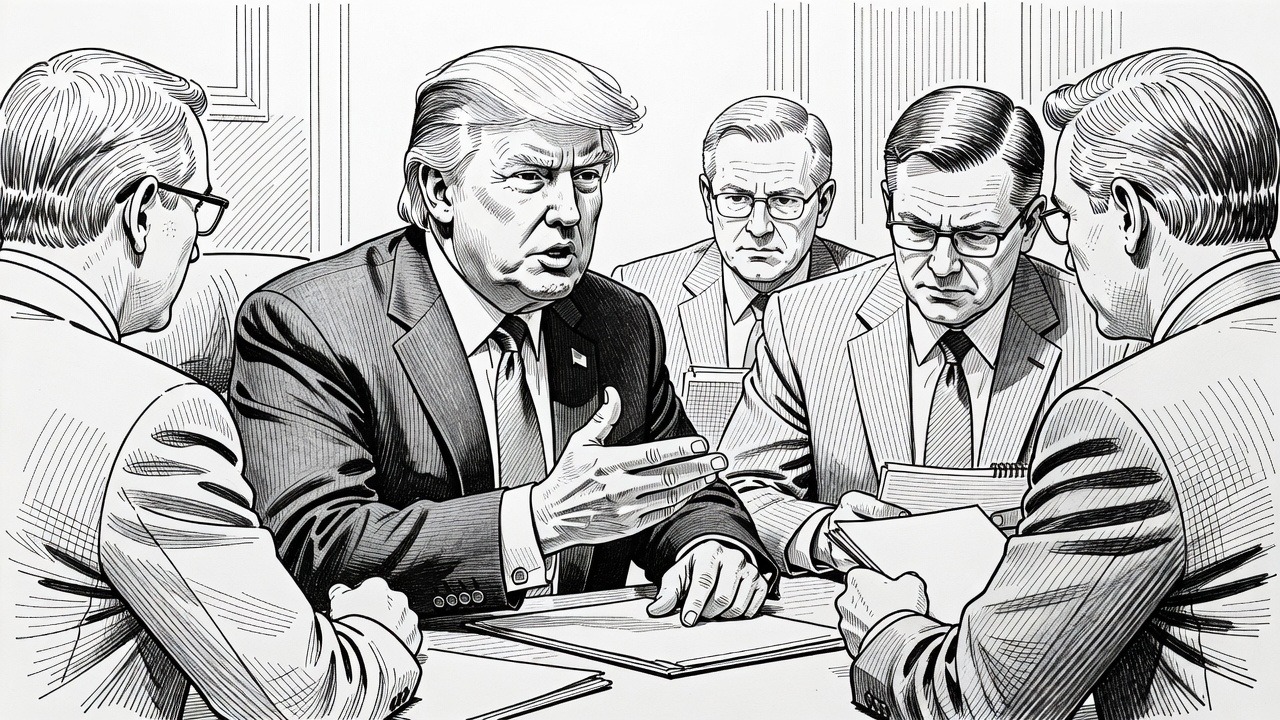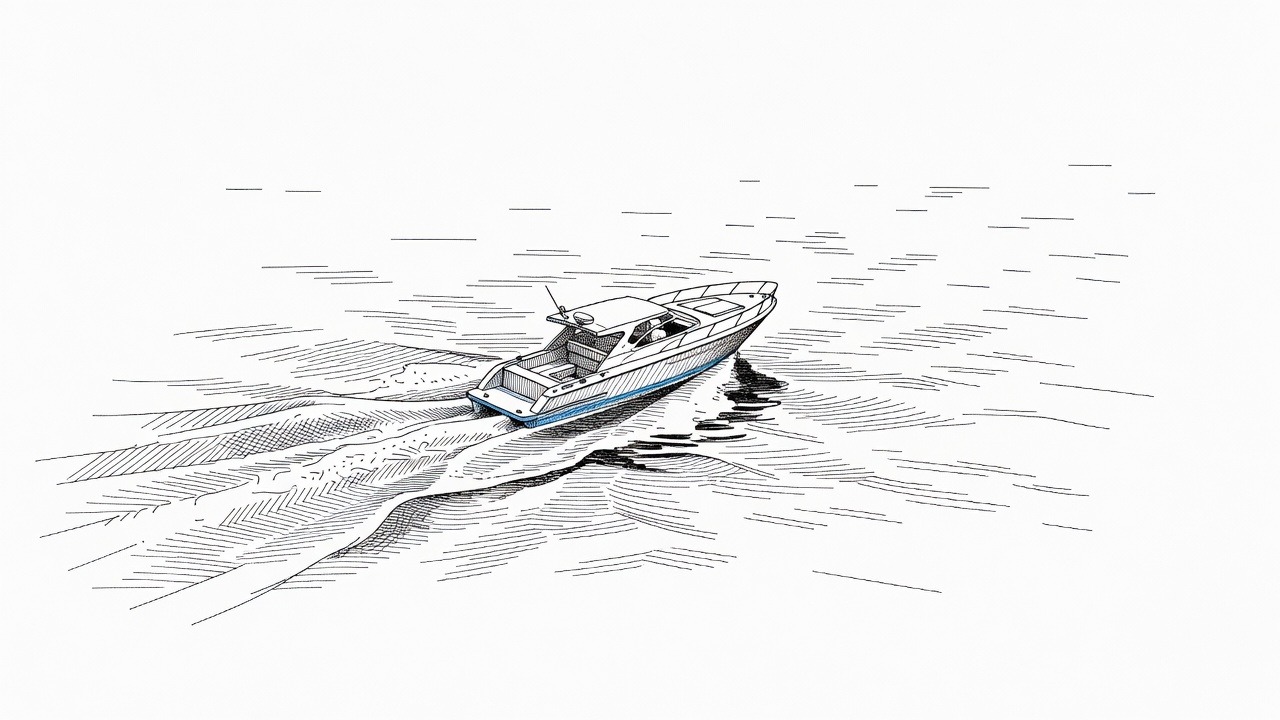
The most important sentence in this story is the quiet one: the military did not provide evidence that drugs were on the vessel or identify the dead. Four people are killed, a video of the explosion is released, and the public is asked to accept that intelligence, which it cannot see, established guilt. In a constitutional republic, that is the part that should alarm us.
Consider what "armed conflict with cartels" does. It is a legal label that converts a crime into a war, and a war lets the executive replace arrest, evidence, charges, and trial with a targeting decision made in secret. Seventy operations and at least 235 dead is no longer an incident. It is a program, and a program is a policy choice. The administration is now seeking agreements for land operations, which suggests that the boats were a pilot and the war is meant to grow.
The strongest case for the strikes deserves a fair hearing. Drug trafficking organizations are violent, overdose deaths have devastated American communities, and a president is entitled to act against genuine threats. Interdiction at sea has long been slow and frustrating. If you believe the boats carry poison aimed at American neighborhoods, killing the crews can look like simple common sense.
But the case fails on its own terms. For decades the Coast Guard has stopped go-fast boats, seized cargo, arrested crews, and fed prosecutions that climb the chain of command. That process produces evidence, intelligence, and cooperating witnesses. A missile produces a fireball and a press release. If the goal were to dismantle trafficking networks, destroying the only people who can testify about them is an odd method. If the goal is a visible display of toughness, the method makes more sense.
There is also a question of who is actually on these boats. Drug economies run on expendable labor: fishermen, poor young men, people with no better options and no say in the cargo. Kingpins do not ride in go-fast boats. A policy that kills the lowest rung of a criminal enterprise while leaving its owners, financiers, and the American demand that sustains it untouched is not a war on cartels. It is a war on the people cartels can most easily replace. Average that toll and you get roughly three or four dead per strike, and each is replaced by the next desperate recruit within weeks. Meanwhile, overdoses are a public health crisis that responds to treatment access, harm reduction, and regulation of the pharmaceutical and financial pipelines. Those are slower, less cinematic tools, and far more likely to save American lives.
Progressives should also be honest that this is not only a Trump problem. Washington has a long bipartisan habit of treating drug policy as a foreign enemy to be defeated rather than a domestic problem to be managed, and of letting presidents stretch war powers without Congress. The danger here is precedent. A government that can declare a category of people combatants, kill them without showing proof, and keep the evidence classified has built a tool that will not stay confined to Caribbean waters or to this administration.
Secrecy is the structural point. Power that does not have to show its work cannot be corrected. If the intelligence is as strong as the Southern Command says, releasing the names, the cargo, and the legal basis should be easy. The refusal to do so tells us the system is designed so that nobody has to be accountable, not Congress, not courts, not the public. A country confident in its cause shows its evidence. A country that only shows the explosion is asking for obedience, not consent.
How it may affect me
For ordinary Americans, the immediate effect is thin: no strong evidence that these strikes reduce overdoses, while money and attention go to a military campaign instead of treatment and prevention. The longer-term risk is to everyone's rights, since a precedent of lethal force without public evidence or judicial review could be turned on other groups or used on land. For people in the Caribbean and Latin America, it means lethal force against poor, mostly nameless workers, with families unable to learn who died or why, and potential escalation if land operations begin. It also strains partner governments, who may be pressured into agreements with little public debate. Without congressional oversight and published evidence, voters lose the ability to judge whether this war is working at all.