Three carrier strike groups in one theater is not a subtle signal. It's one of the largest concentrations of American naval power the region has seen, and it says something unambiguous to Tehran: Washington isn't bluffing about its ability to escalate. The practical question is whether that capability translates into leverage, or just into cost.
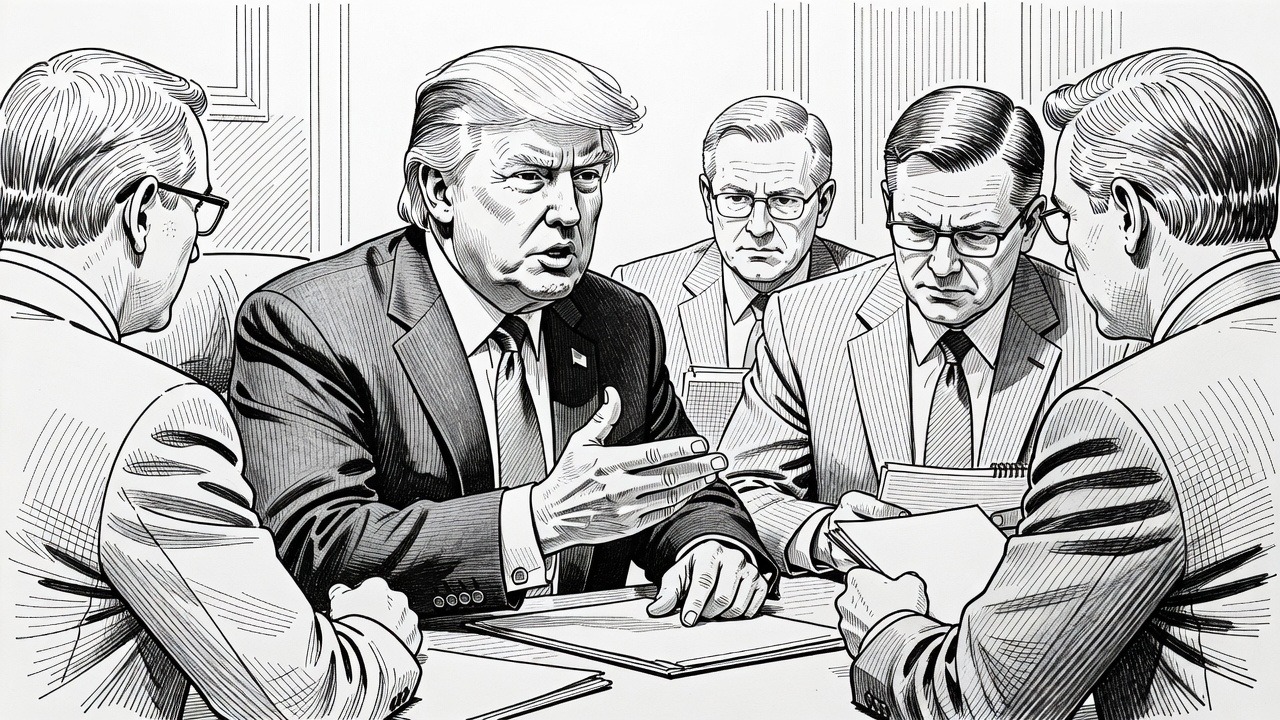
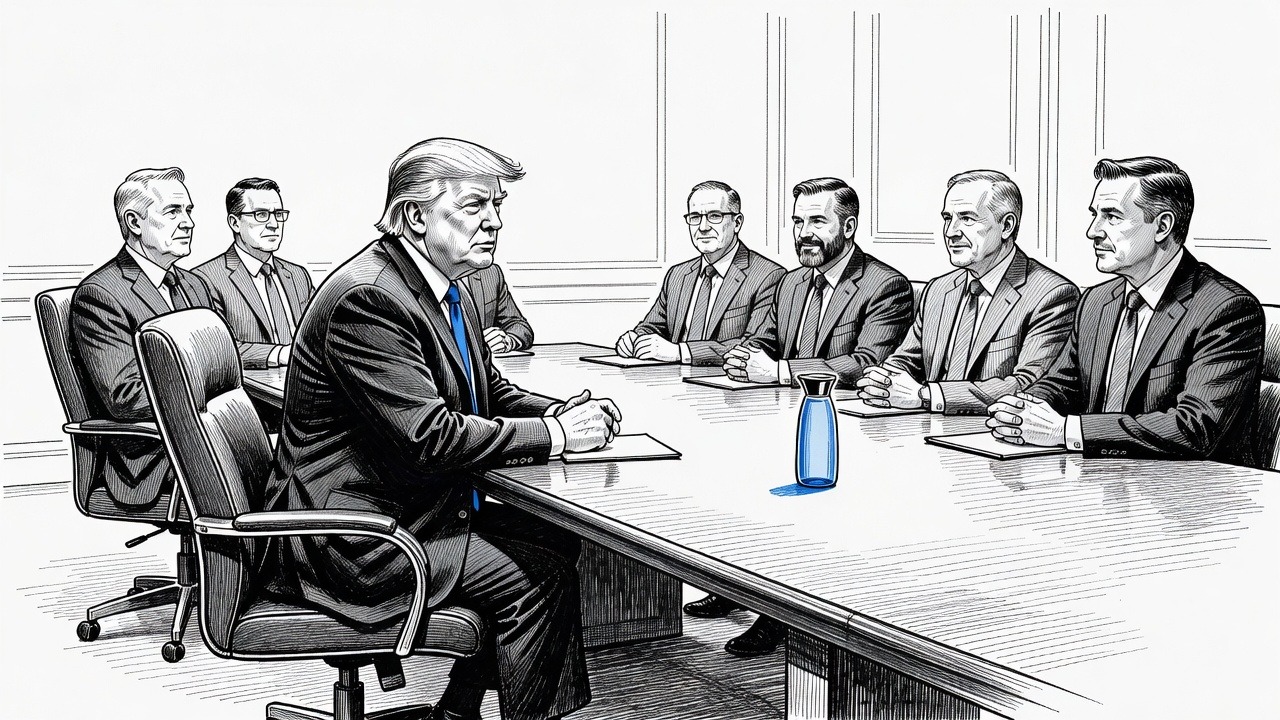
Coercive diplomacy — building credible force while keeping a negotiating door open — can work. Rubio's posture, 'open to talks but warning of consequences,' is a coherent version of that strategy in theory. But coherence in theory requires discipline in execution, and the optics here are messier than the doctrine. Expelling Iran's delegation after a failed round of Qatari-mediated talks, then floating strikes 'after the midterms,' reads less like calibrated pressure and more like a timeline set by the domestic political calendar than by strategic logic. If the threat of force is real, tying it explicitly to an election date hands Tehran a planning window rather than genuine uncertainty — which undercuts the coercive value of the deployment itself.
There's also a basic capacity question nobody should wave away: sustaining three carrier strike groups and 2,000 Marines forward-deployed is expensive, taxes naval rotation cycles, and isn't something the U.S. can maintain indefinitely without wearing down readiness elsewhere. Massive presence is a strong opening move, not a strategy on its own. The core test is whether this posture produces a resumed, substantive negotiating track — or whether it simply raises the baseline of tension until a miscalculation, intentional or not, makes the 'open to talks' half of the message irrelevant. History with Iran suggests pressure alone rarely closes a deal; it has to be paired with a credible offer Tehran can actually accept. Nothing in the current record confirms one is on the table.
How it may affect me
For most people, the immediate effect is limited — this is a military posture shift, not a declared conflict. But a buildup this size in a region that handles a large share of global oil shipping tends to put traders and insurers on alert, and sustained tension (even short of strikes) can nudge energy prices and shipping insurance costs upward, which eventually shows up at the pump or in freight-dependent goods. That's a possibility, not a certainty, and it depends heavily on whether this stays posturing or turns into actual strikes.
If talks stay stalled and strikes do resume after the midterms as Trump suggested is possible, the risks shift from economic friction to genuine regional instability — oil market shocks, disruption to shipping lanes, and renewed military risk for U.S. personnel and regional partners. None of that is guaranteed; it depends on decisions neither side has yet made. In the near term, the more realistic effect for ordinary people is background uncertainty: markets pricing in risk, more cautious diplomatic headlines, and a watch-and-wait dynamic until it's clear whether this deployment is leverage toward a deal or a prelude to one side running out of patience.