FlyDubai flight lands in Saudi Arabia after cockpit attack

Illustration for: FlyDubai flight lands in Saudi Arabia after cockpit attack
AI-generated illustration. Visual interpretation does not represent real individuals or scenes.

THE BARE STORY

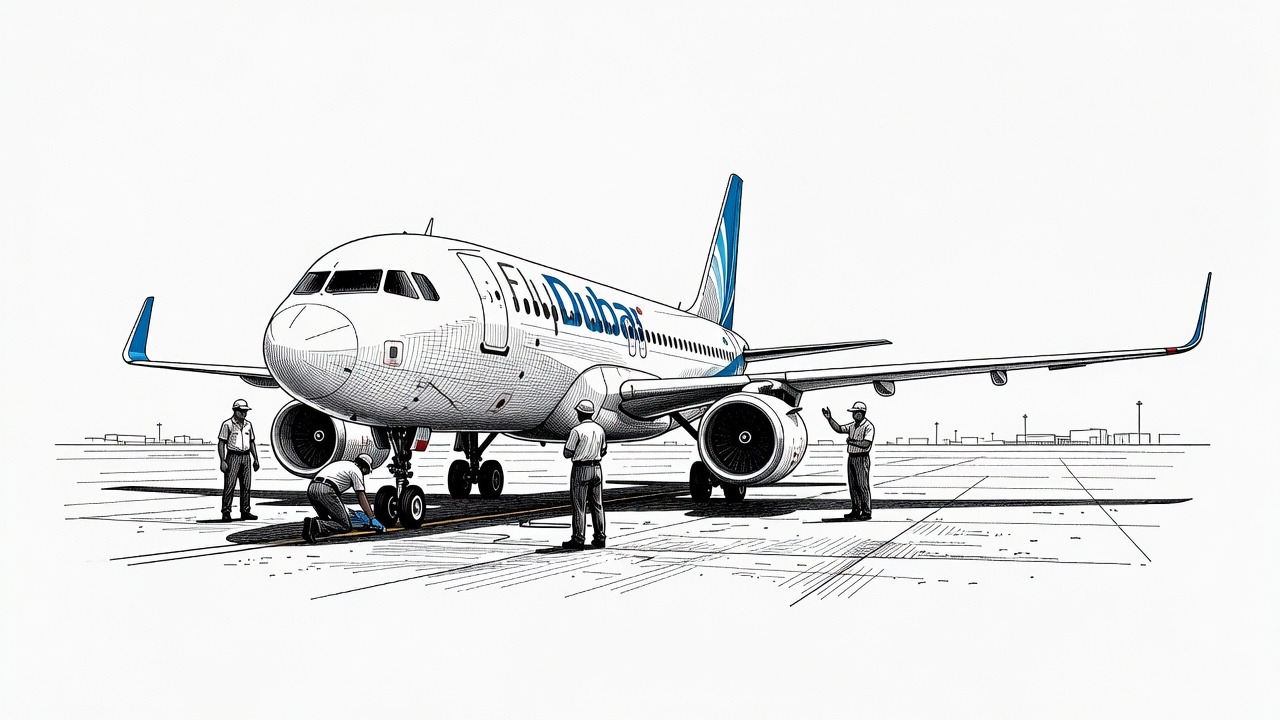
A FlyDubai flight from Dubai to Tel Aviv made an emergency landing in Tabuk, Saudi Arabia, after an attack on its captain by the co-pilot, according to accounts from officials and the captain.

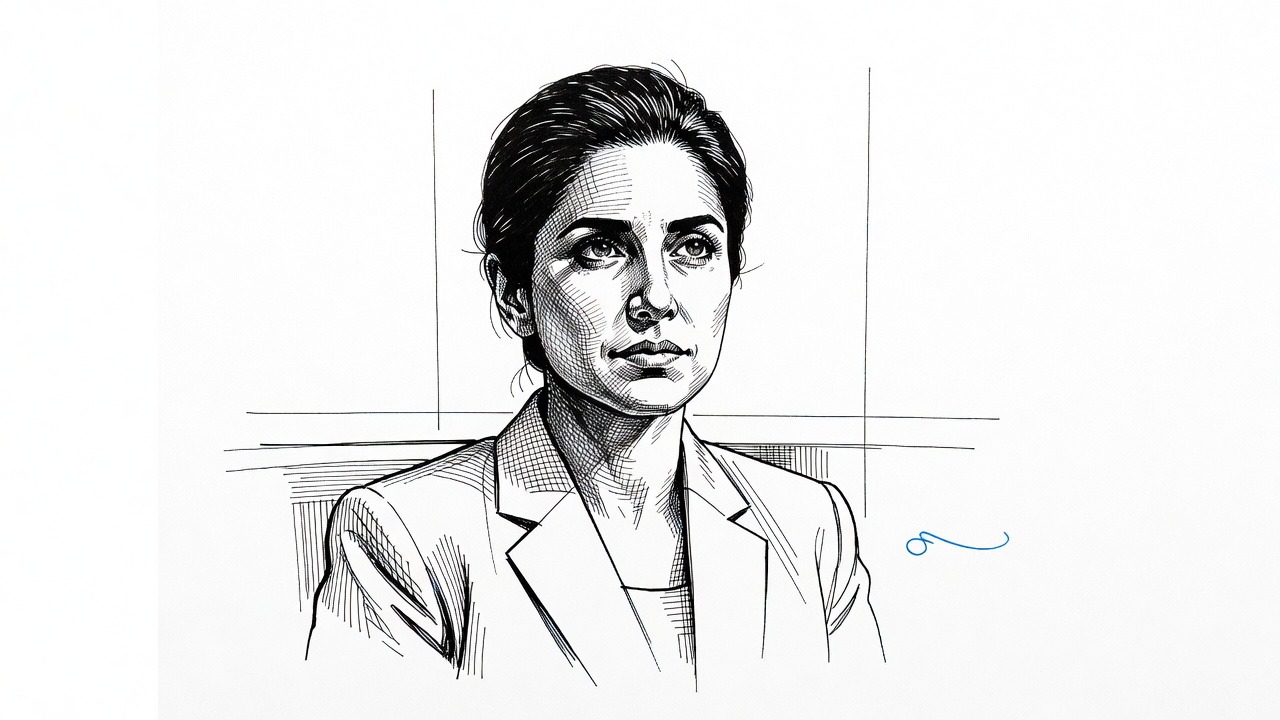
The captain, Smit Machchhar, said he was injured during the confrontation but managed to open the cockpit door. Passengers and crew then restrained the co-pilot, and the aircraft was brought under control before landing safely, the accounts said.

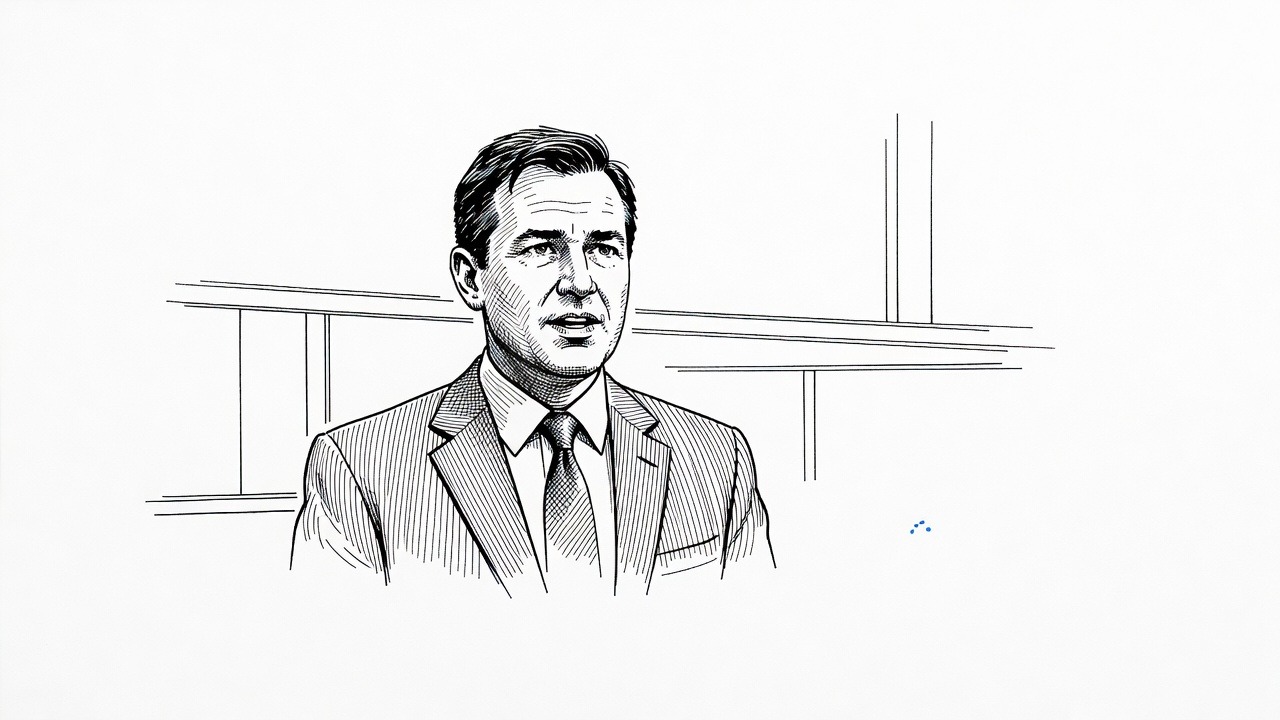
The United Arab Emirates attorney-general, Hamad Saif Al Shamsi, described the incident as a planned terrorist act. He said an investigation was examining physical and digital evidence, motives and any possible links.

Israeli Prime Minister Benjamin Netanyahu said the co-pilot had attempted to crash the aircraft and praised passengers who intervened. Israeli investigators said their preliminary assessment was that the incident was likely a lone-wolf attack, while inquiries continued. FlyDubai suspended its Tel Aviv flights following the incident, according to the airline.

Same Facts. Different Perspectives.

Three AI models. Three viewpoints. One factual foundation.

Strip away the adjectives and this story is actually a success story wearing the costume of a crisis. A co-pilot allegedly tried to kill the person flying the plane, and the system designed after 9/11 — reinforced cockpit doors, mandatory two-person presence, decentralized authority to override a single bad actor — worked exactly as engineered. A wounded captain could still get out. Passengers and crew, not air marshals or ground control, restrained the threat. The aircraft landed. That is not luck; that is institutional design absorbing a worst-case scenario with no fatalities. The more interesting failure in this episode isn't aviation security — it's narrative discipline. Within hours, the UAE's top prosecutor called this a 'planned terrorist act' while Israeli investigators, working the same incomplete evidence, floated 'lone wolf.' Both labels carry enormous downstream weight — for diplomatic optics, for insurance and liability, for whether this becomes a story about infiltrated networks or an isolated psychological break — and neither label can yet be supported by motive, digital forensics, or confirmed links that officials themselves say are still under investigation. This is the pattern that degrades public trust in institutions faster than any single bad outcome: definitive conclusions issued at the speed of a press conference, on a timeline set by politics rather than evidence. The UAE has incentive to frame this as external terrorism, protecting its carrier's safety brand and its broader aviation-hub credibility. Israel has incentive to minimize it as an isolated actor, protecting the fragile normalization architecture that makes a Dubai–Tel Aviv flight exist in the first place. Both instincts are rational. Neither is yet verified. The prudent read is that the engineering worked, the human response worked, and the institutional messaging is running ahead of the facts it claims to represent.

How it may affect me

For travelers, the immediate effect is simple and already visible: FlyDubai has suspended Tel Aviv service, meaning a key normalization-era air route — part of the tangible economic payoff of the Abraham Accords — is now frozen pending an investigation whose findings aren't yet established. If that route stays down for weeks rather than days, it signals that diplomatic politics, not purely safety assessment, is driving the schedule. For the flying public more broadly, the actual lesson is reassuring rather than alarming: the layered safety architecture — reinforced doors, dual-occupancy rules, trained crew response — functioned under the most adversarial test imaginable, a hostile actor already inside the cockpit. That should matter more to public confidence than it will, because fear travels faster than reassurance. The real risk ahead isn't another cockpit incident — it's premature conclusions hardening into policy before the UAE's forensic investigation finishes. If governments act now on 'terrorist plot' or 'lone wolf' framing rather than wait for evidence, the resulting security measures, flight restrictions, or diplomatic responses could be calibrated to a story that later turns out to be wrong in its particulars, even if right in its broad strokes.

Read the story at

Note: All TheBareNews content is AI-generated. For additional context, reporting, and updates, you are invited to explore the news outlets linked above.

Stories You May Have Missed