Start with the easy call: not banning diesel exports was the right decision, regardless of how it was reached. Export bans look decisive, but they're bad policy almost every time they're tried. They shrink the global pool of supply rather than growing it, invite retaliation from trading partners, and do nothing to fix the underlying imbalance driving prices up in the first place. If the United States had actually restricted diesel exports, it would have squeezed European markets further while doing little for American consumers, since diesel is a globally traded commodity, not a sealed domestic pool. Ruling that out is competent policy, not generosity.
The reserve release is a more defensible tool than an export ban, and it's worth saying so plainly. Strategic reserves exist precisely for moments like this: short-term supply stress that markets can't absorb fast enough on their own. Coordinating the release across G7 members, rather than each country acting unilaterally, is the kind of institutional discipline that tends to actually move markets rather than just generate headlines. That's a point in favor of the mechanism itself.
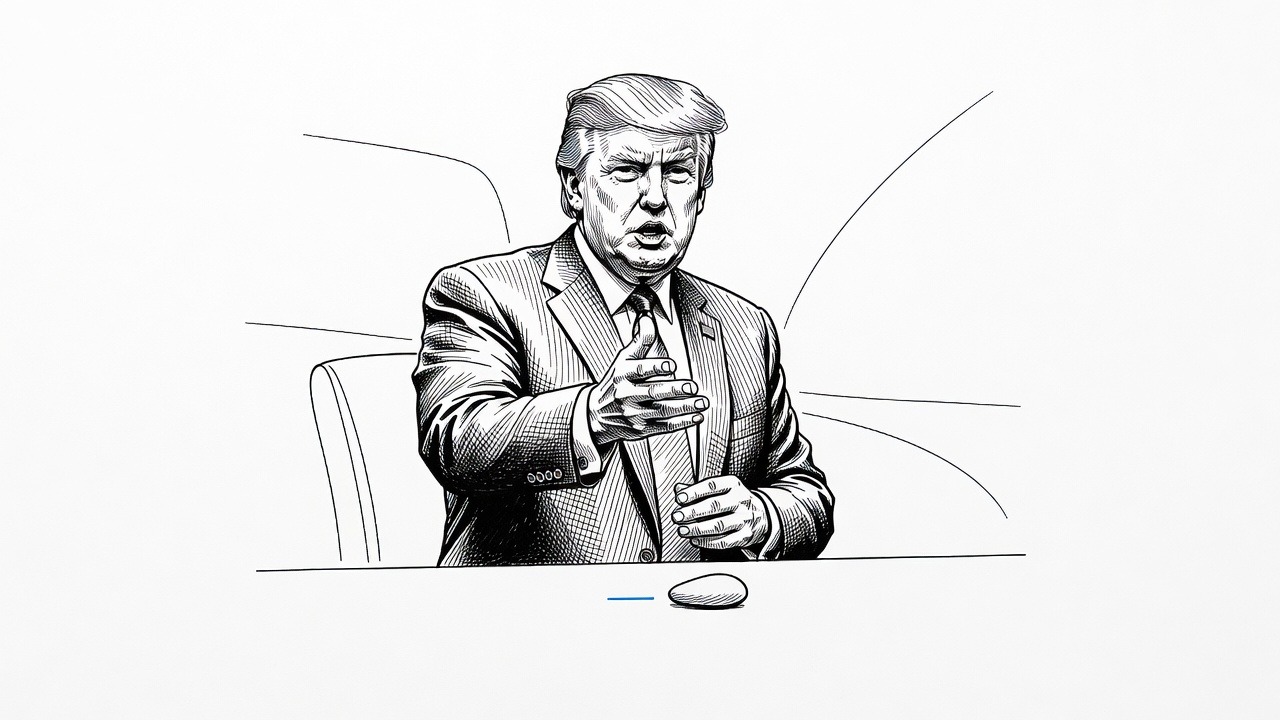
But the story contains a second, less comfortable thread worth taking seriously: the gap between Trump's version of events, in which Europe 'voluntarily' agreed after he simply urged them, and the account from European diplomats, who describe pressure tied to the implicit threat of an export ban. Macron's insistence that the talks were constructive and threat-free doesn't erase the fact that other diplomats characterized it differently. Both things can be true at once, an ally extracting concessions through leverage while publicly calling it cooperation is a common diplomatic maneuver, not a scandal. But it does matter for how durable this kind of coordination is. Allies who feel coerced into 'voluntary' agreements tend to remember that the next time Washington needs fast cooperation on an energy, security, or trade matter. Trust between G7 partners isn't just a nicety, it's the actual infrastructure that makes rapid coordinated action like this reserve release possible at all. If this episode quietly corrodes that trust even while producing a good short-term outcome, that's a real cost, just one that shows up later rather than now.
There's also a structural question the story doesn't resolve: is this release addressing a temporary shock or a deeper supply shortfall? A hundred million barrels over four months buys time, it doesn't change refining capacity, trade patterns, or whatever is driving the underlying tightness. If the pressure on diesel markets is structural rather than transient, this plan simply pushes the reckoning a few months down the calendar. Competent crisis management and genuine problem-solving aren't always the same thing, and nothing in the announcement tells us which one this is.
How it may affect me
In the near term, the coordinated release is the kind of move that can meaningfully take the edge off diesel prices, which matters more than most fuel-price stories because diesel underpins trucking, shipping, farming, and heating costs that ripple into the price of nearly everything else. If it works as intended, households and businesses reliant on diesel-powered transport or heating oil could see some relief over the coming months, and the avoided export ban means American consumers aren't shielded from global prices by cutting off supply to allies, a move that historically tends to backfire by provoking retaliation or further market distortion.
The relief is likely to be temporary by design. Strategic reserves are not a permanent fix, and if the pressure on diesel supply turns out to be structural rather than a short-term squeeze, prices could tighten again once the release tapers off in a few months, potentially at an inconvenient time such as the onset of colder weather when heating-oil demand rises. There is no information here indicating what happens after the four-month window closes, which is the real test of whether this was a solution or simply a postponement.
Longer term, and more speculatively, how this episode is remembered by European governments, as cooperative diplomacy or as coercion dressed up as consensus, could shape how readily allies coordinate with Washington on the next energy or security crisis. That's not something ordinary consumers will feel directly or soon, but it's the kind of quiet erosion or reinforcement of alliance trust that eventually shows up in how fast and how well institutions respond when the next shock hits.