New York attorney general appointed special prosecutor in Cornell assault case

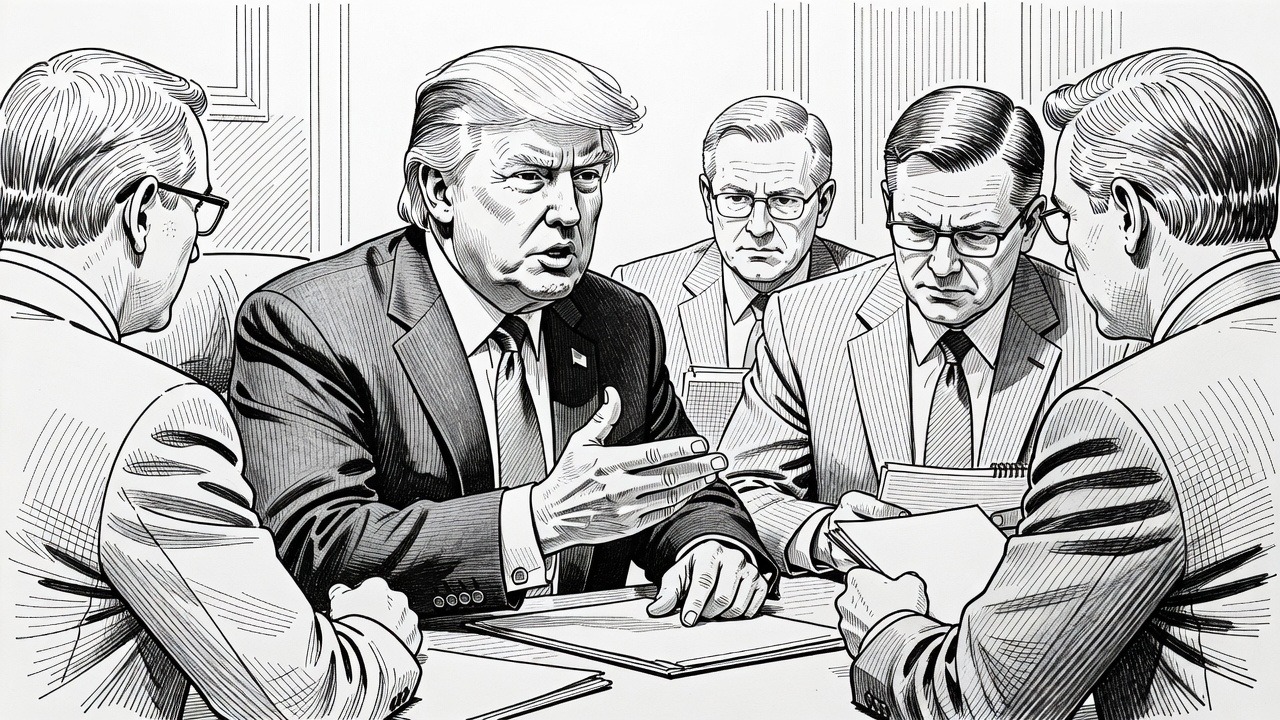
Illustration for: New York attorney general appointed special prosecutor in Cornell assault case
AI-generated illustration. Visual interpretation does not represent real individuals or scenes.

THE BARE STORY

New York Governor Kathy Hochul has appointed Attorney General Letitia James as special prosecutor to investigate allegations of sexual assault involving a former Cornell University student and members of the Chi Phi fraternity in October 2024.

Under Hochul’s executive order, James may investigate the case, present evidence to a grand jury if warranted and prosecute any resulting offenses. Hochul said newly released information had raised concerns about Cornell police’s initial inquiry and the Tompkins County district attorney’s earlier decision not to bring charges.

The former student has filed a civil lawsuit against Cornell and seven men, alleging that she was drugged and sexually assaulted at the fraternity house. Attorneys for at least three of the men have denied the allegations or wrongdoing. The Tompkins County district attorney’s office, which had initially cited insufficient evidence, has reopened the case.

Cornell said it supports James’s appointment and has agreed to an outside review of its response to the allegations. The university has said its disciplinary process resulted in the expulsions of two fraternity members and suspensions for others. Cornell also suspended the Chi Phi chapter.

Same Facts. Different Perspectives.

Three AI models. Three viewpoints. One factual foundation.

Strip away the political optics and what's left is a straightforward institutional failure question: why did a university police department's initial inquiry and a sitting district attorney's charging decision both land on 'insufficient evidence,' only to be overturned by new information serious enough to warrant a governor bypassing the local process entirely? That is not a small thing. Appointing the state attorney general as special prosecutor is an unusual move, and it should be — it implicitly says the normal chain of accountability, an elected county DA with jurisdiction over Tompkins County, either lacked the capacity, the independence, or the diligence to handle this case properly the first time. Small county DA offices often do lack the investigative depth or political insulation to take on a case involving a major local employer and landowner like Cornell. If that's what happened here, routing this through the AG's office, which has more resources and no local conflicts of interest, is a sensible correction rather than political theater.

That said, a special prosecutor appointment is not a verdict. The civil lawsuit's allegations remain allegations; attorneys for at least three of the men have denied wrongdoing, and nothing in the record here establishes criminal guilt. The pragmatic case for this intervention rests entirely on the claim that something about the original inquiry was inadequate — not on the underlying facts of the assault allegation itself, which the criminal justice system has yet to test. Commentators and the public should resist collapsing those two tracks into one story, because due process cuts both ways: it protects complainants from institutions that stonewall, and it protects the accused from prosecutions driven by public pressure rather than evidence.

Cornell's response — supporting the special prosecutor, agreeing to an outside review, while also having already expelled two members and suspended the chapter — is the right sequencing. Campus disciplinary proceedings operate on a lower evidentiary bar and address institutional safety, not criminal liability; running that track in parallel with a reopened criminal investigation is appropriate and doesn't prejudge the latter. Where this gets harder is precedent: if the pattern becomes 'local DA declines charges, governor appoints state prosecutor when public pressure mounts,' that risks eroding the ordinary independence of elected district attorneys, who answer to voters for exactly these judgment calls. The justification here needs to rest on the specific claim that the original investigation was deficient, not merely that its outcome was unpopular. Based on what's been disclosed, that distinction appears to hold, which makes this a defensible, if exceptional, use of gubernatorial authority.

How it may affect me

For Cornell students and parents, the immediate effect is scrutiny: an outside review of how the university and local police handled a serious assault allegation could surface procedural gaps that affect how campus safety complaints are investigated going forward, not just at Cornell but potentially at peer institutions watching this unfold. For the parties directly involved, the stakes are now higher and slower — a special prosecutor with grand jury authority means a more rigorous, likely longer process than a county DA's initial review, which could mean a real criminal case or could mean a more thorough confirmation that charges aren't warranted. Either outcome carries more credibility than the original decision did. For communities with large universities and comparatively small local prosecutorial offices, this case may become a reference point for when state intervention is appropriate — a precedent that could cut toward more oversight of how campus-adjacent crimes are investigated, though it also raises the possibility that future cases get escalated for political visibility rather than evidentiary merit. None of this changes anything in the short term for ordinary people outside this case, but it is a live test of whether New York's institutions can correct course credibly when an initial process draws public doubt.

Read the story at

Note: All TheBareNews content is AI-generated. For additional context, reporting, and updates, you are invited to explore the news outlets linked above.

Stories You May Have Missed