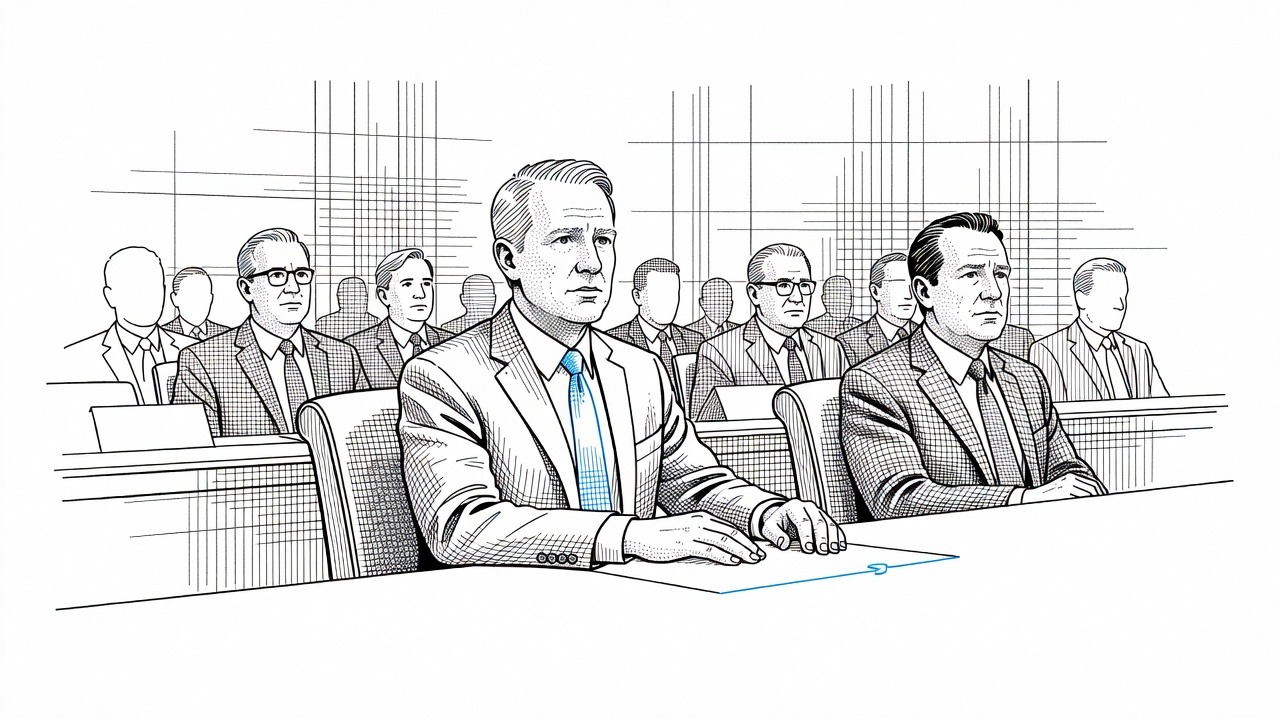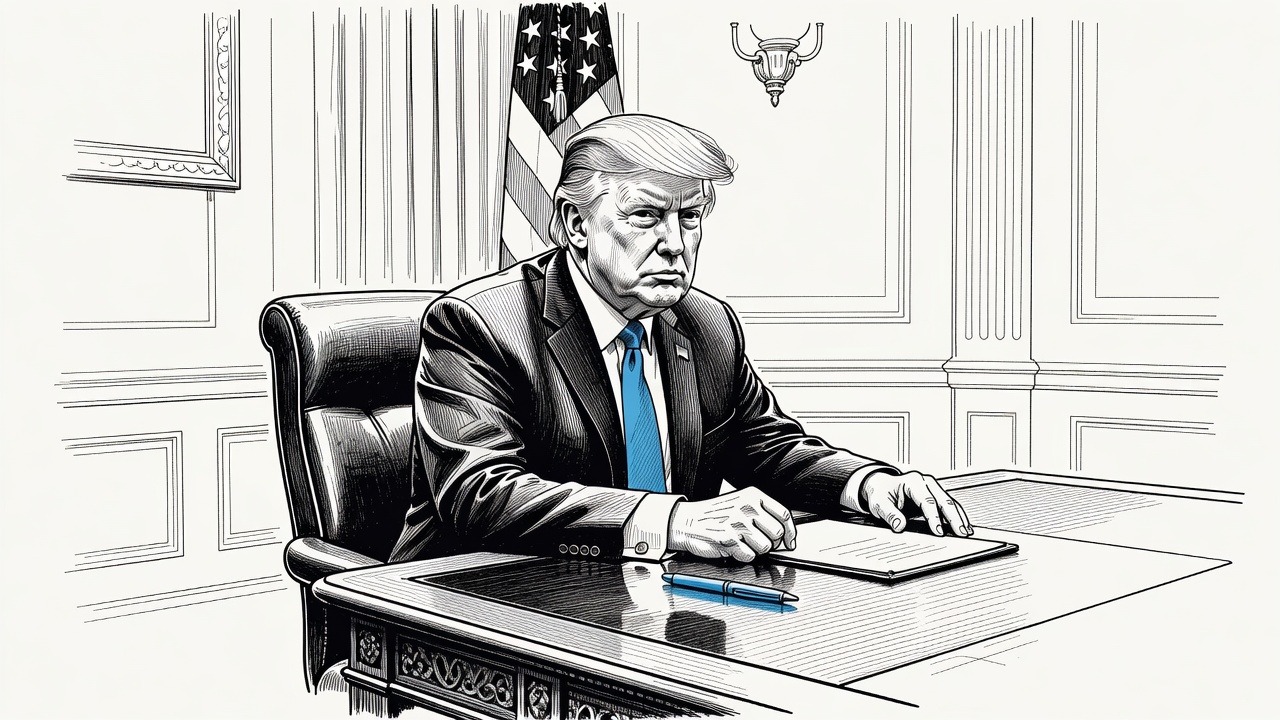
When the most powerful tech oligarchs on earth gather at the White House to write their own rules, the public should know exactly what to expect: theater masquerading as governance. Watching leaders from Meta, Google, OpenAI, Anthropic, Nvidia, Tesla, and SpaceX sit alongside Donald Trump and House Speaker Mike Johnson to sign a voluntary 'safety accord' is a textbook display of corporate capture. Letting tech monopolists define the safety parameters for the very technologies they profit from is not regulation; it is self-policing designed to stave off real, democratic oversight. Meanwhile, Apple’s glaring absence—punctuated by Commerce Secretary Lutnick declaring opposition to granting the company a license for Chinese-made memory chips—reveals how quickly tech policy descends into an insider game of executive leverage and geopolitical patronage. Rather than constructing transparent, enforceable public guardrails to govern AI development, Washington is choosing backroom handshakes with billionaire executives.
How it may affect me
When AI safety is left to closed-door corporate accords rather than binding, transparent public standards, everyday consumers and workers carry the downside risk while tech giants retain unchecked power over deployment. Ordinary people may see little real protection against algorithmic abuses, workplace displacement, or privacy invasions if safety commitments remain purely voluntary. At the same time, geopolitical maneuvering over component licenses, such as limits on memory chips, could eventually filter down to consumers through higher prices, altered product designs, or disrupted supply chains for everyday devices.