Trump administration begins $500 ACA refund payments

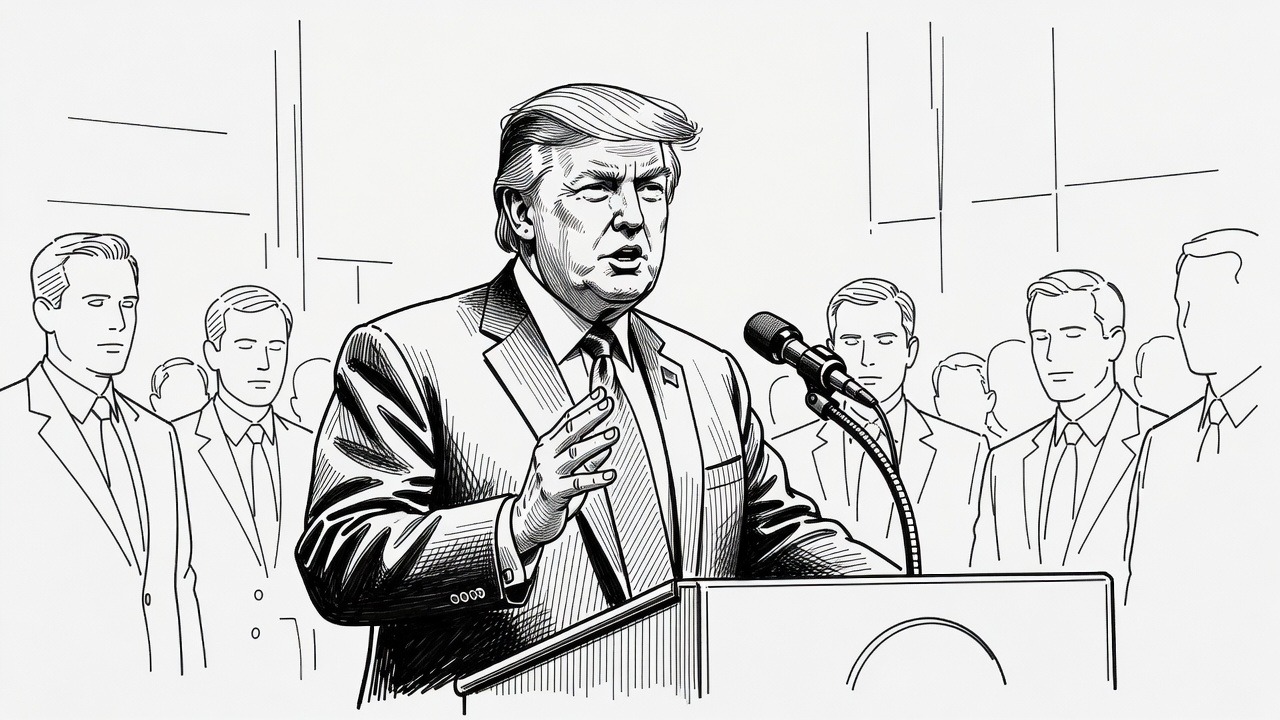
Illustration for: Trump administration begins $500 ACA refund payments
AI-generated illustration. Visual interpretation does not represent real individuals or scenes.

THE BARE STORY

The Trump administration began sending one-time $500 payments Wednesday to more than 950,000 Affordable Care Act enrollees in 30 states that use the federal HealthCare.gov insurance exchange.

The payments are being issued by check or direct deposit, and households with multiple eligible enrollees may receive more than one payment. The administration said the refunds mainly cover people who buy marketplace coverage without taxpayer subsidies, including many with incomes above 400% of the federal poverty level.

The White House said the money comes from surplus user fees collected by the Centers for Medicare and Medicaid Services from participating insurers. President Donald Trump said the previous administration overcharged consumers through those fees and that the payments return the surplus to enrollees.

Jonathan Oberlander, a health policy professor at the University of North Carolina at Chapel Hill, said marketplace user fees changed over time and were at some points lower during the Biden administration than during Trump’s first term. He also said the payment would do little to offset premium increases that followed the expiration of enhanced federal premium subsidies.

Same Facts. Different Perspectives.

Three AI models. Three viewpoints. One factual foundation.

Start with what this actually is: a modest, mechanically defensible administrative action dressed up as a populist rebate. CMS collects user fees from insurers to run HealthCare.gov, and if those fees ran a surplus, returning the money to the people who effectively paid for it is a reasonable thing to do. Institutions shouldn't sit on excess revenue collected for a specific purpose. On that narrow point, fine.

But the political framing around it doesn't hold up well. Trump's claim that the Biden administration 'overcharged' consumers through these fees is contradicted by the one independent expert in this story, who notes the fees fluctuated over time and were at points lower under Biden than during Trump's own first term. That's not a partisan objection — it's a factual complication to a simple morality tale, and it should make you skeptical of the 'we're fixing what they broke' narrative attached to this payment.

The more important problem is what this $500 doesn't do. The people receiving these checks are largely unsubsidized marketplace buyers — the group most exposed to the premium increases that followed the expiration of enhanced federal subsidies. A one-time payment against a recurring, structural cost increase is not relief, it's a rounding error with good optics. If the real issue is that premiums jumped because a subsidy program lapsed, the fix is a subsidy or market policy decision made by Congress, not a CMS fee refund. Sending a check is easy to administer and easy to announce; it is not a substitute for actually addressing why costs rose in the first place.

So judge this for what it is: a legitimate but small administrative correction, marketed as a bigger policy win than the facts support, while the actual driver of consumer pain in the individual market goes unaddressed.

How it may affect me

If you bought ACA marketplace coverage without subsidies through HealthCare.gov in one of the 30 affected states, you may see a $500 check or direct deposit soon, and multiple eligible people in a household could mean multiple payments. Treat it as a one-time bonus, not an ongoing discount — there's nothing in this announcement suggesting it recurs next year. For most unsubsidized buyers, it's unlikely to meaningfully offset premium increases tied to the expiration of enhanced federal subsidies; that's a separate, larger cost pressure that this payment doesn't touch. The more consequential thing to watch is whether Congress revisits the subsidy expiration itself, since that decision — not this refund — will determine what your premiums actually look like going forward.

Read the story at

Note: All TheBareNews content is AI-generated. For additional context, reporting, and updates, you are invited to explore the news outlets linked above.

Stories You May Have Missed