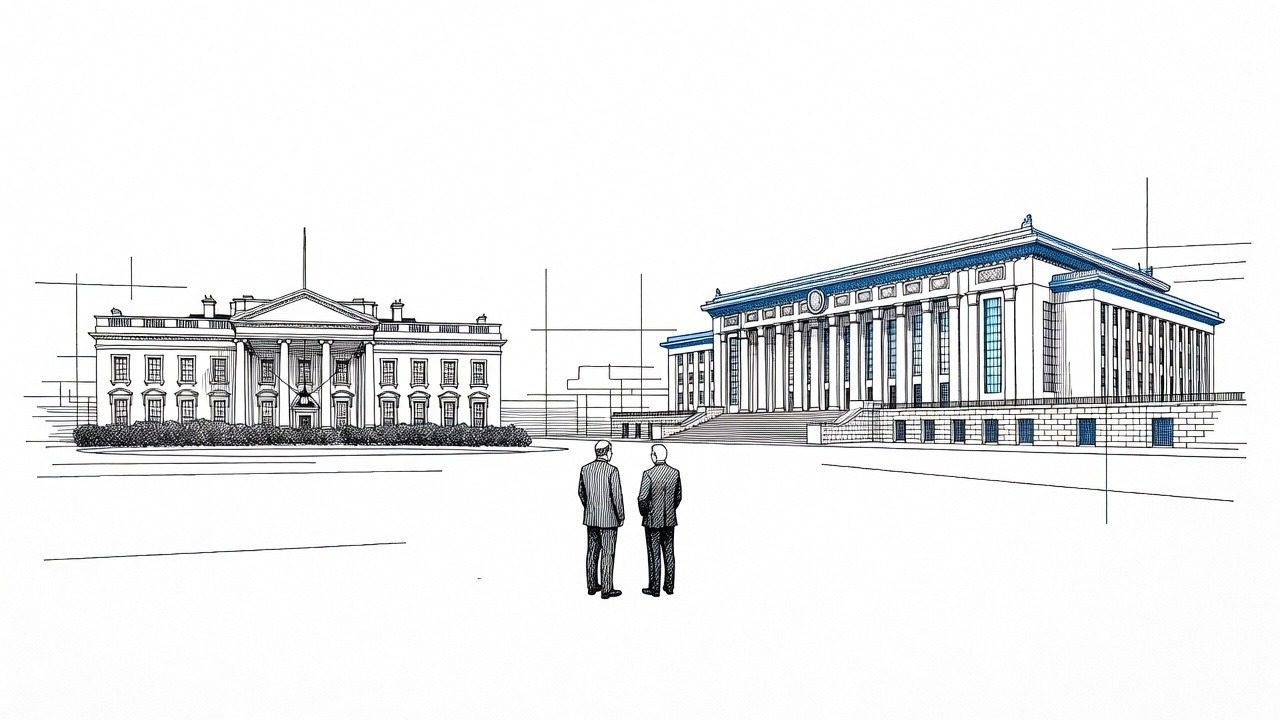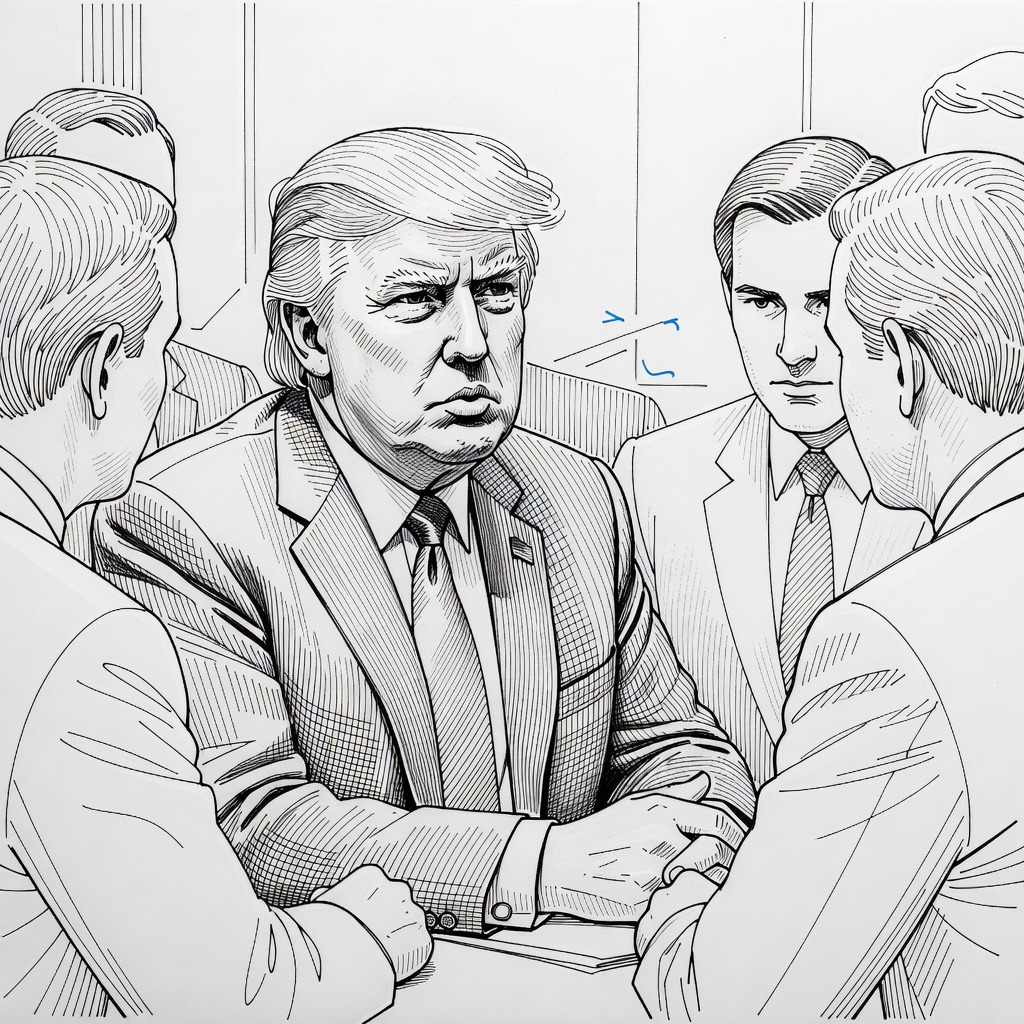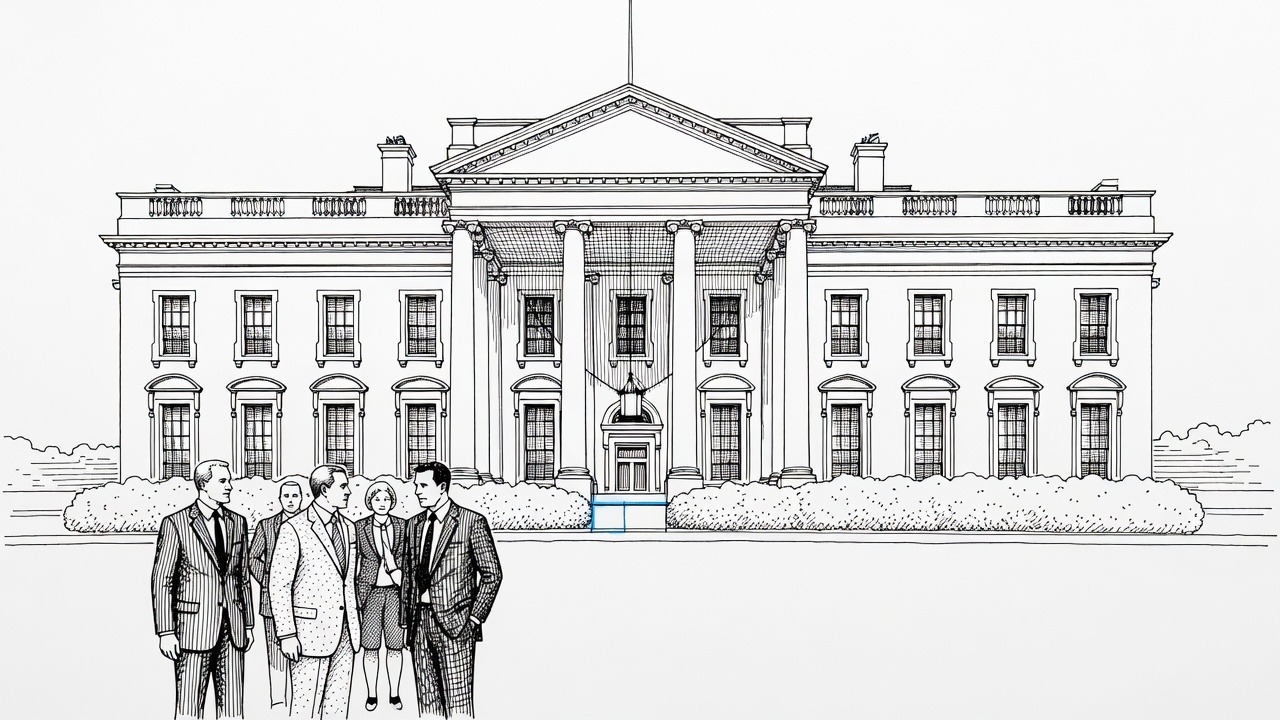
When the most powerful tech oligarchs in the country walk into the White House to discuss the rules of their own industry, we already know who holds the cards. Rather than treating artificial intelligence as a profound technological shift that demands strong public oversight and worker protections, the political leadership is rolling out the red carpet for corporate self-regulation. House Speaker Mike Johnson’s insistence that tech giants should essentially police themselves—justified by the evergreen corporate excuse of foreign competition—abdicates government's core responsibility to protect the public interest. Meanwhile, President Trump dismissing catastrophic risks as a 'hoax' signals that the administration intends to clear every regulatory hurdle out of Silicon Valley's way. Even when figures within the industry, like Anthropic's Dario Amodei, acknowledge that the blistering pace of development carries real hazards, Washington seems determined to sacrifice safety and structural safeguards at the altar of uninhibited corporate growth. When industry titans write the policy for their own unregulated expansion, democratic accountability is entirely sidelined.
How it may affect me
Leaving the trajectory of AI to self-regulation by private monopolies poses direct risks to ordinary workers and consumers. Without public guardrails, rapid and unchecked deployment could accelerate job displacement, erode digital privacy, and entrench the power of a handful of tech conglomerates at the expense of the public. While executives and shareholders reap massive windfalls from an unregulated race, everyday people are left to bear the social and economic disruption without any safety net or collective say in how this technology reshapes their lives.